
Why Rooibos Tea Is the Most Underrated Herbal Drink From South Africa

Why Rooibos Tea Is the Most Underrated Herbal Drink From South Africa
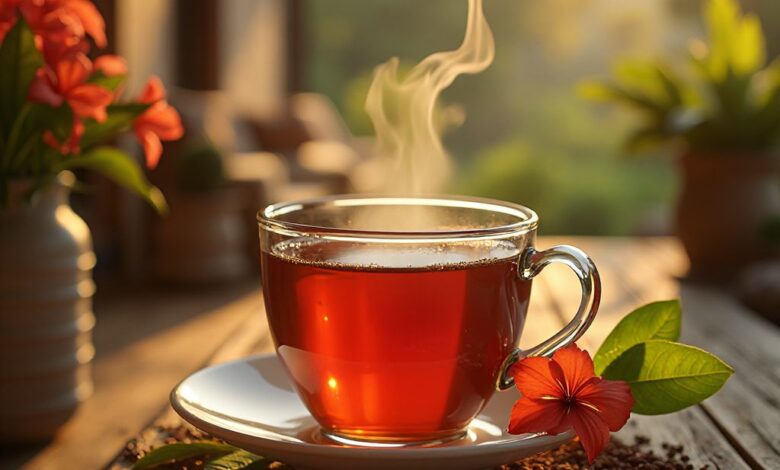
Imagine a drink so uniquely comforting, so deeply nourishing, that it whispers tales of ancient mountains and sun-drenched landscapes with every sip. Picture a vibrant, ruby-red infusion, naturally sweet with hints of honey and vanilla, completely free of caffeine, yet brimming with a surprising array of health benefits. This isn’t a figment of imagination; it’s Rooibos tea, the unsung hero from South Africa, and I’m here to tell you why it deserves a permanent, cherished spot in your daily ritual.
For years, as an herbalist and culinary writer, I’ve seen countless herbs rise and fall in popularity. But Rooibos, or “red bush” tea, has always held a special place in my heart, quietly offering its magic without demanding the spotlight. Its subtle elegance and profound wellness contributions are often overshadowed by more aggressive marketing campaigns for other teas. Today, we’re changing that. Prepare to fall in love with the most underrated herbal drink from the tip of Africa.
A Journey to the Cederberg: The Story of Rooibos
To truly appreciate Rooibos, we must journey back in time and across continents to the rugged Cederberg Mountains of South Africa’s Western Cape. This is the exclusive home of Aspalathus linearis, the slender, needle-leafed shrub from which Rooibos tea is harvested. For centuries, the indigenous Khoisan people were the first to discover and utilize this remarkable plant. They would climb the mountains, gather the fine, needle-like leaves, bruise them with hammers, and ferment them before drying them in the sun to create a delicious and medicinal brew.
This traditional preparation method, which gives Rooibos its distinctive reddish-brown color and sweet aroma, has remained largely unchanged. It was only in the early 20th century that the wider world began to take notice, thanks to a Russian immigrant, Benjamin Ginsberg, who saw its commercial potential. Today, Rooibos is a protected designation of origin, much like Champagne or Parma Ham, ensuring that true Rooibos can only come from this specific region of South Africa. It’s a testament to its unique terroir and cultural significance, a drink that embodies the spirit of its homeland and now enchants palates around the globe.
Brewing Perfection: Crafting Your Ideal Cup of Rooibos
Rooibos is wonderfully forgiving, making it a joy for both beginners and seasoned tea connoisseurs. Unlike black or green tea, it contains no tannins, meaning it simply won’t turn bitter, no matter how long you steep it. This is one of its greatest charms!
Brewing Instructions for a Classic Hot Infusion
- Measurements: For a standard 8-ounce cup, use 1-2 teaspoons of loose-leaf Rooibos or one tea bag. If brewing a pot (32 ounces), use 4-6 teaspoons of loose-leaf or 4 tea bags.
- Water Temperature: Always use freshly boiled water, ideally around 200-212°F (93-100°C).
- Steeping Time: This is where Rooibos shines! Steep for a minimum of 5-7 minutes for a lighter flavor, but don’t hesitate to go longer – 10-15 minutes, or even more, will yield a richer, deeper flavor without bitterness. Many traditionalists steep it for 30 minutes or more!
- Serving Suggestions: Enjoy it black to savor its natural sweetness, or add a splash of milk (dairy or non-dairy like almond or oat milk) and a touch of honey or agave for a creamy treat. A slice of orange or a cinnamon stick can also beautifully complement its flavor profile.
Flavor Combinations & Variations
Rooibos is an incredibly versatile base, inviting endless experimentation:
- Citrus Zest: A peel of orange or lemon added during brewing brightens its earthy notes.
- Spiced Delight: Add a pinch of cinnamon, cardamom, or a slice of fresh ginger for a warming, aromatic brew.
- Vanilla Dream: A few drops of pure vanilla extract or a vanilla bean pod steeped alongside the Rooibos enhances its inherent vanilla-like sweetness. Brands like Harney and Sons often feature delightful vanilla rooibos blends.
- Minty Fresh: Combine with fresh mint leaves for a refreshing and digestive-friendly cuppa.
Hot & Cold Variations
Rooibos isn’t just for chilly evenings!
- Rooibos Latte: Brew a strong cup of Rooibos (using 2-3 teaspoons per 8oz), froth your favorite milk, and combine. Sweeten to taste. It’s a fantastic, caffeine-free alternative to coffee lattes.
- Iced Rooibos Tea: Brew a concentrated batch (double the amount of Rooibos for the same amount of water), let it cool, then pour over ice. Garnish with lemon, mint, or fresh berries.
- Rooibos Sun Tea: For a truly gentle brew, place your Rooibos (loose leaf works best here, perhaps from Mountain Rose Herbs or Frontier Co-op) and water in a clear glass jar, cover, and let it steep in direct sunlight for 3-5 hours. This creates an incredibly smooth, naturally sweet iced tea.
Expert Insider Tips for the Rooibos Aficionado
Having brewed countless cups and explored endless culinary applications of Rooibos, I’ve gathered a few secrets that will elevate your experience:
- Embrace the Long Steep: Seriously, don’t be shy! I often brew a large batch of strong Rooibos in my French press and let it sit for hours, even overnight in the fridge. It only gets richer, never bitter. This concentrated brew is perfect for making iced teas, lattes, or even as a base for smoothies.
- Culinary Game-Changer: Think beyond the mug! Rooibos can be used as a liquid in baking (muffins, cakes), as a poaching liquid for fruits, or even as a unique base for marinades for chicken or pork. Its subtle sweetness and earthy notes infuse beautifully without overpowering.
- The “Rooibos Espresso” Technique: For a truly intense flavor, grind loose-leaf Rooibos finely (a clean coffee grinder works wonders) and brew it in an espresso machine or a Moka pot. The result is a concentrated “Rooibos shot” that’s perfect for lattes or a robust, caffeine-free pick-me-up.
- Cold Brew for Sweetness: While sun tea is great, a fridge cold brew (Rooibos + cold water in a jar, steep overnight in the fridge) yields an even smoother, sweeter, and less astringent flavor profile. It brings out the subtle vanilla notes beautifully.
- Mix with Green Rooibos: Did you know there’s also unfermented Green Rooibos? It has a lighter, grassier flavor and an even higher antioxidant content. Blending it with traditional Red Rooibos (available from specialty suppliers like Mountain Rose Herbs) offers a complex flavor and enhanced health benefits.
Health and Wellness Benefits: The Power of the Red Bush
Beyond its delightful taste, Rooibos is a powerhouse of wellness, backed by both centuries of traditional use and growing modern research. It’s no wonder brands like Yogi Tea and Celestial Seasonings often feature Rooibos in their wellness blends.
- Antioxidant Abundance: Rooibos is uniquely rich in powerful antioxidants, particularly aspalathin and nothofagin, which are rarely found in other plants. These compounds combat free radicals, protecting your cells from oxidative stress and reducing the risk of chronic diseases.
- Naturally Caffeine-Free: This is a huge win for those sensitive to caffeine! Enjoy Rooibos any time of day or night without worrying about jitters or disrupted sleep. It’s a perfect evening ritual.
- Heart Health Supporter: Studies suggest that Rooibos may contribute to cardiovascular health by helping to lower “bad” LDL cholesterol and triglycerides, while potentially increasing “good” HDL cholesterol. It may also help regulate blood pressure.
- Aids Digestion: Traditionally, Rooibos has been used to soothe digestive issues like colic in infants and stomach cramps in adults. Its antispasmodic properties can help relax the digestive tract.
- Bone Health Boost: Rooibos contains minerals like manganese, calcium, and fluoride, which are essential for maintaining strong bones and teeth.
- Skin & Hair Nourishment: The alpha hydroxy acid (AHA) and zinc present in Rooibos can be beneficial for skin health, potentially reducing acne and promoting a healthy glow. Some even use cooled Rooibos tea as a hair rinse for shine.
- Blood Sugar Regulation: Research indicates that aspalathin in Rooibos may help improve insulin sensitivity and glucose uptake by muscle cells, potentially aiding in blood sugar management, especially beneficial for those with type 2 diabetes.
- Anti-inflammatory Properties: The bioflavonoids in Rooibos possess anti-inflammatory actions, which can help reduce inflammation throughout the body.
Common Mistakes to Avoid When Embracing Rooibos
While Rooibos is incredibly user-friendly, a few common missteps can prevent you from experiencing its full potential:
- Under-Steeping: The biggest mistake! Unlike delicate green teas, Rooibos needs time to release its full flavor and beneficial compounds. A quick dunk of a tea bag just won’t do it justice. Give it at least 5-7 minutes, preferably longer.
- Not Using Boiling Water: While it won’t get bitter, using water that isn’t hot enough will result in a weak, insipid brew. Always use freshly boiled water to extract the best from your Rooibos.
- Expecting a “Black Tea” Flavor: Rooibos has its own unique, naturally sweet, earthy, and slightly vanilla-like profile. It’s not a direct substitute for the malty notes of black tea, so approach it with an open mind and appreciate its distinct character.
- Ignoring Quality: While accessible brands like Twinings and Celestial Seasonings offer good options, investing in high-quality loose-leaf Rooibos, especially organic varieties from suppliers like Frontier Co-op or Mountain Rose Herbs, can significantly enhance your tasting experience.
- Not Experimenting: Don’t limit yourself to just a plain hot cup! Rooibos is a chameleon. Try it iced, as a latte, with fruit, or spices. Its versatility is one of its greatest strengths.
Safety and Precautions: Is Rooibos Right for Everyone?
Rooibos is widely considered one of the safest herbal teas, with a long history of traditional use and very few reported side effects. It’s safe for children, pregnant and breastfeeding women, and generally for individuals of all ages.
However, as with any herbal product, a few considerations are worth noting:
- Rare Cases of Liver Enzyme Elevation: In very rare instances, excessive consumption of Rooibos has been linked to elevated liver enzymes. If you have a pre-existing liver condition, consult your doctor.
- Potential Estrogenic Effects: Some studies suggest very mild estrogenic activity in Rooibos. While likely negligible for