The Best Herbs to Grow in Small Spaces Like Balconies and Apartments

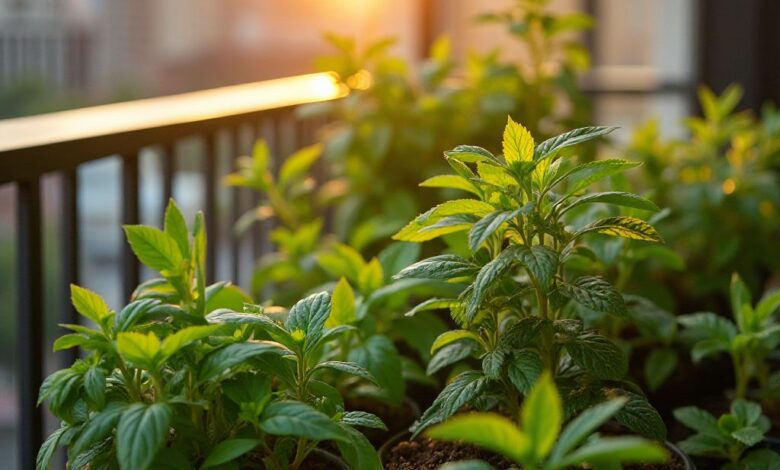
The gentle brush of your hand against a verdant leaf, a burst of sun-warmed aroma filling your small apartment, a taste of pure, vibrant freshness in your evening meal—these aren’t luxuries reserved for sprawling gardens. This is the magic of growing herbs in small spaces, a joy I’ve cherished and written about for a decade. Did you know that the simple act of growing plants, even in a tiny pot, can significantly reduce stress and improve your mood? It’s true! Beyond the profound health benefits and culinary delights, there’s a deep satisfaction in nurturing life, especially when that life gives back so much flavor and fragrance.
The Urban Herbalist: Cultivating Green Gold in Concrete Jungles
For centuries, humans have cultivated herbs for sustenance, medicine, and spiritual connection. From the ancient Egyptians using mint in their rituals to Roman soldiers carrying thyme for courage, these botanical wonders have woven themselves into the fabric of human civilization. Today, as our lives become increasingly urbanized, the desire to reconnect with nature and embrace self-sufficiency has blossomed into a vibrant movement of urban gardening. Whether you live in a cozy studio apartment, a bustling city condo, or a home with just a sliver of balcony space, the dream of fresh, homegrown herbs is not only attainable but incredibly rewarding. It’s about bringing a piece of the earth’s bounty into your everyday life, transforming a sterile corner into a thriving edible oasis, and elevating your cooking and well-being with ingredients picked just moments before use. This isn’t just gardening; it’s a lifestyle, a reconnection to ancient wisdom, and a delicious journey for your senses.
The Best Herbs for Your Balcony & Apartment Garden
Choosing the right herbs is key to success in small spaces. You need plants that are forgiving, productive, and don’t demand too much real estate. Here are my top picks, complete with everything you need to know to get them thriving.
Basil: The Aromatic Heart of Italian Cuisine
Growing Basil in a Pot
- Soil Requirements: Basil absolutely adores rich, well-draining soil. I always recommend a high-quality potting mix, something like Miracle-Gro Potting Mix, which provides the perfect balance of aeration and nutrients. Ensure your pot has drainage holes!
- Sunlight Needs: This sun-worshipper needs at least 6-8 hours of direct sunlight daily to truly flourish. A south-facing balcony or a bright windowsill is ideal.
- Watering Schedule: Basil prefers consistently moist soil, but never soggy. Water when the top inch of soil feels dry to the touch. In hot weather, this might mean daily watering.
- Container vs. Ground Growing: Basil is perfectly suited for containers. Choose a pot at least 6-8 inches in diameter for a single plant.
- Harvesting Techniques: Pinch off the top sets of leaves (about 1/3 of the plant) regularly, even if you don’t need them for cooking. This encourages bushy growth and prevents the plant from flowering too early, which can make the leaves bitter.
- Pest Control: Watch out for aphids and whiteflies. A gentle spray of neem oil or insecticidal soap (diluted according to package directions) can help.
- Propagation Methods: Easily rooted from cuttings! Just snip a 4-inch stem, remove the lower leaves, and place it in a glass of water. Roots will appear in a week or two, then plant in soil. You can also start from seed; Burpee Seeds offers a fantastic selection.
Culinary Delights with Basil
- Flavor Profile: Sweet, peppery, with hints of anise and clove.
- Best Food Pairings: Tomatoes, mozzarella, garlic, olive oil, pasta, chicken, fish, strawberries.
- Cooking Techniques: Best added at the end of cooking to preserve its delicate flavor.
- Storage Tips: Keep fresh basil stems in a glass of water on your counter, covered loosely with a plastic bag, for up to a week. For longer storage, make pesto or blanch and freeze leaves.
- Substitution Options: Oregano or marjoram can offer a similar aromatic profile, but fresh basil’s unique sweetness is hard to replicate.
Recipe Idea: Speedy Caprese Skewers
Thread cherry tomatoes, small fresh mozzarella balls (bocconcini), and a fresh basil leaf onto skewers. Drizzle with extra virgin olive oil and a balsamic glaze. A pinch of sea salt and freshly cracked black pepper finishes this simple, elegant appetizer.
Mint: The Refreshing Powerhouse
Growing Mint in a Pot
- Soil Requirements: Mint isn’t too fussy but thrives in rich, moist, well-draining soil. Again, a good quality potting mix works wonders.
- Sunlight Needs: Mint enjoys full sun to partial shade (4-6 hours of direct sun). It can tolerate less sun than basil but will be less vigorous.
- Watering Schedule: Keep the soil consistently moist. Mint is a thirsty plant, so check it daily, especially in warm weather.
- Container vs. Ground Growing: ALWAYS grow mint in a container! It’s an aggressive spreader and will quickly take over your entire garden if planted in the ground. Choose a pot at least 10-12 inches wide.
- Harvesting Techniques: Snip stems as needed, cutting just above a leaf node to encourage new growth. Regular harvesting promotes a bushier plant.
- Pest Control: Generally pest-resistant, but watch for spider mites in dry conditions. A good spray of water can often dislodge them.
- Propagation Methods: Mint roots incredibly easily from cuttings in water, just like basil. You can also divide established plants.
Culinary Delights & Refreshing Drinks with Mint
- Flavor Profile: Cool, refreshing, pungent, with variations like spearmint (sweeter) and peppermint (more bracing).
- Best Food Pairings: Lamb, peas, potatoes, chocolate, fruits (especially berries and melon), yogurt, cocktails.
- Cooking Techniques: Excellent fresh in salads or as a garnish. For hot dishes, add at the end.
- Storage Tips: Store fresh sprigs in a glass of water on the counter, or wrap in a damp paper towel and place in a plastic bag in the fridge.
- Substitution Options: No true substitute for fresh mint’s unique cooling sensation, but basil or lemon balm can offer aromatic alternatives in some contexts.
Recipe Idea: Homemade Mint Iced Tea
Brew 2 cups of strong black tea (like a good Ceylon). While hot, add a generous handful of fresh mint sprigs. Let steep for 10-15 minutes, then remove mint. Sweeten with honey or agave if desired. Chill thoroughly. Serve over ice with a fresh mint sprig and a slice of lemon. For a caffeine-free option, simply steep mint sprigs in hot water for a refreshing tisane, a perfect alternative to store-bought options like Yogi Tea or Celestial Seasonings herbal blends.
Chives: The Delicate Onion Kick
Growing Chives in a Pot
- Soil Requirements: Chives are adaptable but prefer well-draining, fertile soil. A standard potting mix will do just fine.
- Sunlight Needs: Full sun to partial shade (at least 4-6 hours of sun). They’ll grow in shadier spots but won’t be as robust.
- Watering Schedule: Keep the soil consistently moist, especially during dry spells.
- Container vs. Ground Growing: Chives are perfect for containers! They form neat clumps and don’t spread aggressively. A 6-8 inch pot is sufficient for one clump.
- Harvesting Techniques: Snip the outer leaves at the base with scissors, leaving the inner ones to continue growing. Don’t cut more than 1/3 of the plant at a time.
- Pest Control: Chives are generally pest-free, thanks to their oniony aroma.
- Propagation Methods: Easily grown from seed (try Burpee Seeds) or by dividing established clumps in spring or fall.
Culinary Delights with Chives
- Flavor Profile: Mild, delicate onion flavor with a hint of garlic.
- Best Food Pairings: Eggs, potatoes, sour cream, cream cheese, fish, salads, soups, omelets.
- Cooking Techniques: Best used fresh as a garnish or added at the very end of cooking to preserve their flavor and vibrant green color.
- Storage Tips: Store fresh chives wrapped in a damp paper towel in a plastic bag in the fridge for up to a week. They can also be chopped and frozen.
- Substitution Options: Green onions (scallions) are the closest substitute, but chives have a more refined, less pungent flavor.
Recipe Idea: Herbed Cream Cheese Spread
Combine 8 oz softened cream cheese with 2 tablespoons finely chopped fresh chives, 1 tablespoon chopped fresh parsley, a squeeze of lemon juice, and salt and pepper to taste. Mix well and serve with bagels, crackers, or cucumber slices.
Thyme: The Resilient Aromatic
Growing Thyme in a Pot
- Soil Requirements: Thyme prefers lean, well-draining, even sandy soil. It dislikes rich, heavy, or constantly wet soil. A mix formulated for succulents or cacti, or adding perlite/sand to regular potting mix, works well.
- Sunlight Needs: Full sun is essential for thyme – at least 6-8 hours daily. It will become leggy and less flavorful in shade.
- Watering Schedule: Thyme is drought-tolerant once established. Water sparingly, allowing the soil to dry out completely between waterings. Overwatering is a common killer.
- Container vs. Ground Growing: Thyme is excellent for containers, especially shallow, wide pots or hanging baskets. Its trailing varieties look beautiful spilling over the edges.
- Harvesting Techniques: Snip off sprigs as needed. Regular harvesting encourages new growth and keeps the plant compact. You can harvest up to 1/3 of the plant at a time.
- Pest Control: Generally pest-free due to its strong aroma.
- Propagation Methods: Easily grown from seed (Burpee Seeds has good options), cuttings, or by dividing established plants.
Culinary Delights with Thyme
- Flavor Profile: Earthy, woody, slightly floral, with notes of lemon and mint depending on the variety.
- Best Food Pairings: Roasted meats (chicken,