How to Grow Parsley That Stays Lush and Productive All Season Long

How to Grow Parsley That Stays Lush and Productive All Season Long
Imagine this: You’re in the kitchen, preparing a vibrant pesto, a hearty soup, or a fresh, zesty tabbouleh. The recipe calls for fresh parsley, and instead of reaching for a plastic-wrapped bundle from the grocery store, you step outside to your garden. There, a lush, emerald green patch of parsley awaits, its leaves glistening with morning dew, ready to be plucked. The aroma alone is enough to invigorate your senses – a clean, peppery, slightly citrusy fragrance that promises freshness and vitality. This isn’t just a dream; it’s an achievable reality, and I’m here to show you exactly how to cultivate parsley that stays abundant and flavorful from spring’s first blush to autumn’s gentle close.
The Ancient Roots of a Modern Staple
Parsley (Petroselinum crispum), with its cheerful green leaves, is far more than a mere garnish. Its journey began in the Mediterranean region, where it grew wild along the rocky coastlines of Greece and Sardinia. The ancient Greeks revered parsley, not primarily for culinary use, but for its symbolic power. It was woven into wreaths for athletes and placed on tombs as a symbol of remembrance and rebirth. Legend even has it that parsley sprang from the blood of Archemorus, the herald of death, giving it a mystical aura.
The Romans, always practical, were among the first to bring parsley into the kitchen and garden, using it to freshen breath after lavish feasts and as a medicinal herb. From these ancient civilizations, parsley spread across Europe, becoming a fundamental ingredient in French, Italian, and Middle Eastern cuisines. Today, whether it’s the curly-leaf variety adorning a platter or the robust flat-leaf (Italian) parsley lending its deep flavor to a sauce, this humble herb remains a global culinary cornerstone, cherished for its ability to brighten flavors and contribute a wealth of nutrients to our plates.
Cultivating Continuous Parsley: A Gardener’s Guide
Growing parsley that thrives all season long is truly rewarding. It requires understanding its preferences and providing consistent care. Let’s dig into the details.
Starting Your Parsley Patch
Parsley is famously slow to germinate, a trait that earned it the old saying, “Parsley goes nine times to the devil and back before it germinates.” Don’t let this deter you; a little patience and a few tricks will ensure success.
- Seed Selection: I always recommend starting with high-quality seeds. Brands like Burpee Seeds offer reliable flat-leaf (Italian) and curly parsley varieties that are known for their vigorous growth.
- The Seed Soaking Secret: To speed up germination, soak your parsley seeds in warm water overnight before planting. This softens the hard seed coat and encourages quicker sprouting.
- Planting Depth and Spacing: Plant seeds about 1/4 inch deep and 1 inch apart. Once they sprout and are a few inches tall, thin them to 6-8 inches apart to give each plant ample room to grow and flourish.
Soil Requirements: The Foundation of Flavor
Parsley absolutely adores rich, well-draining soil. It’s a hungry plant and will reward you with vibrant growth if its nutritional needs are met.
- Soil pH: Aim for a slightly acidic to neutral pH, between 6.0 and 7.0.
- Amending the Soil: Before planting, enrich your garden bed with plenty of organic matter. Well-rotted compost or aged manure works wonders, improving soil structure, drainage, and nutrient content. For container growing, a premium organic potting mix, perhaps even a blend like Miracle-Gro Organic Choice Potting Mix, provides an excellent foundation.
Sunlight Needs: Finding the Sweet Spot
Parsley is a bit of a Goldilocks when it comes to sun exposure – it doesn’t want too much, nor too little, but just right.
- Full Sun to Partial Shade: In cooler climates, parsley thrives in full sun (6+ hours of direct sunlight). However, if you live in an area with scorching summer afternoons, a spot that receives partial shade (4-6 hours of morning sun with afternoon shade) will prevent the plants from bolting (going to seed) prematurely and keep the leaves tender.
Watering Schedule: Consistency is Key
Consistent moisture is crucial for lush parsley. Dry spells will stress the plant, leading to tough, bitter leaves and early bolting.
- Evenly Moist Soil: Water regularly, ensuring the soil remains consistently moist but never waterlogged. Stick your finger an inch or two into the soil; if it feels dry, it’s time to water.
- Mulching: Applying a layer of organic mulch (like straw or wood chips) around your parsley plants can help retain soil moisture, suppress weeds, and regulate soil temperature.
Container vs. Ground Growing: Your Choice, Their Thrive
Parsley is incredibly versatile and can be grown successfully both in the ground and in containers.
- In the Ground: If you have garden space, planting directly into a well-prepared bed allows parsley’s taproot to grow deep, potentially making the plant more resilient.
- Container Growing: Perfect for patios, balconies, or small spaces. Choose a pot at least 8-10 inches deep and wide with good drainage holes. Terracotta pots are excellent as they allow the soil to breathe. Ensure you use a high-quality potting mix.
Harvesting Techniques: The Secret to Endless Supply
This is where the “all season long” magic truly happens. Harvesting correctly encourages more growth, rather than hindering it.
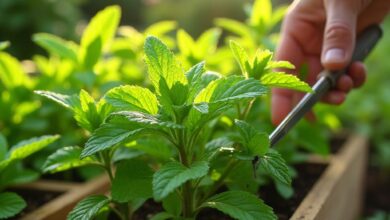
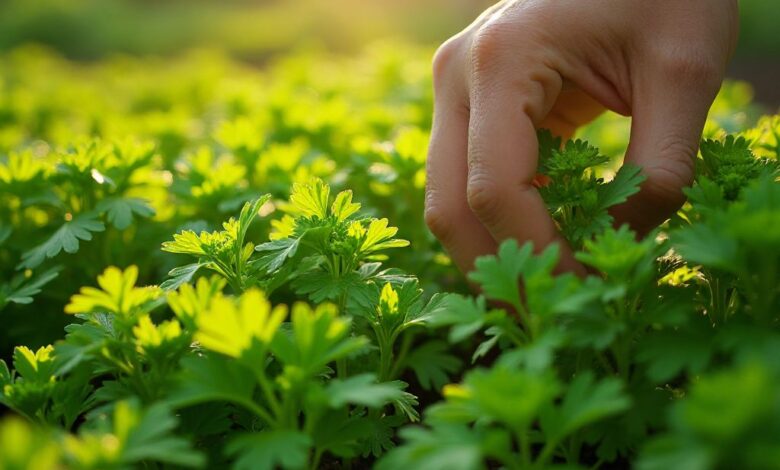
- The Outer Leaf Method: Always harvest the outer, mature leaves first, cutting the stems close to the base of the plant. This allows the younger, inner leaves to continue growing and developing.
- Regular “Haircuts”: Don’t be afraid to harvest frequently. Regular trimming encourages the plant to produce more leaves, leading to a bushier, more productive plant.
- Avoid Bolting: If you see a central stalk starting to shoot upwards with tiny flower buds, your parsley is “bolting.” This means it’s preparing to go to seed, and its leaves will become bitter. Snip off the flower stalk immediately to prolong the leaf production, though eventually, all parsley will bolt.
Pest Control: Natural Defenses
Parsley is generally quite hardy, but a few common garden pests might try to enjoy your bounty.
- Aphids and Spider Mites: These tiny pests can sometimes appear. A strong spray of water can dislodge them, or you can use an organic insecticidal soap. Neem oil is another excellent organic option for persistent infestations.
- Companion Planting: Planting parsley near carrots, tomatoes, or chives can deter some pests and even enhance growth.
Expert Insider Tips for Parsley Perfection
After a decade of nurturing herbs, I’ve picked up a few tricks that truly make a difference in growing exceptional parsley:
- The “Parsley Haircut” for Bushiness: Beyond just harvesting outer leaves, give your entire parsley plant a “haircut” every 3-4 weeks. Cut back about one-third of the plant’s top growth, even if you don’t need all the leaves. This aggressive pruning stimulates vigorous new growth from the base, preventing legginess and promoting a dense, lush plant that looks fantastic and yields more.
- Succession Planting for Endless Harvests: Since parsley is a biennial that often bolts in its second year (or during a hot first summer), the key to truly “all season long” supply is succession planting. Sow a new batch of seeds every 4-6 weeks from early spring until mid-summer. This ensures you always have young, tender plants coming up as older ones start to fade or bolt.
- Winter Protection for Extended Yields: In cooler climates, you can often extend your parsley harvest well into winter. Before the first hard frost, cover your outdoor parsley plants with a cloche, a cold frame, or even a thick layer of straw mulch. You’ll be surprised how much longer you can snip fresh sprigs, even under a blanket of snow!
- The “Tea Bag” Seed Starter: For stubborn parsley seeds, try this: Place a pinch of soaked seeds in a damp paper towel, fold it, and then slip it inside a small plastic baggie. Keep it in a warm spot, checking daily. Once you see tiny roots emerge, carefully plant them in your prepared soil or pots. This gives them a head start and makes germination almost foolproof.
Health and Wellness Benefits: More Than Just a Garnish
Parsley isn’t just a pretty face; it’s a nutritional powerhouse. For centuries, it has been valued in traditional medicine, and modern research continues to uncover its impressive health benefits.
- Rich in Vitamins: Parsley is an excellent source of Vitamin K, essential for blood clotting and bone health. It’s also packed with Vitamin C, a powerful antioxidant that supports the immune system, and Vitamin A, crucial for vision and skin health.
- Antioxidant Powerhouse: It contains flavonoids like apigenin and luteolin, and carotenoids like beta-carotene, which help combat oxidative stress and may reduce the risk of chronic diseases.
- Anti-Inflammatory Properties: Compounds in parsley have been studied for their potential anti-inflammatory effects, which can be beneficial for conditions like arthritis.
- Digestive Aid and Breath Freshener: Traditionally used to aid digestion and reduce bloating, parsley’s chlorophyll content also makes it a natural breath freshener.
- Diuretic Properties: Parsley has mild diuretic properties, traditionally used to support kidney function and help flush excess fluids from the body.
Common Mistakes to Avoid
Even seasoned gardeners can sometimes stumble. Here are the most common pitfalls when growing parsley:
- Impatience with Germination: Not soaking seeds or giving up too soon. Remember, parsley takes its sweet time, sometimes up to 3-4 weeks to sprout.
- Inconsistent Watering: Letting the soil dry out completely between waterings will stress the plant and lead to tough, less flavorful leaves.
- Not Harvesting Enough: Paradoxically, not harvesting regularly makes your parsley less productive. It encourages bolting and reduces overall vigor.
- Poor Soil: Planting in heavy, compacted, or nutrient-poor soil will result in stunted, yellowing plants.
- Ignoring Bolting: Letting the plant go to