The Complete Guide to Growing Mint Without It Taking Over Your Entire Garden

The Complete Guide to Growing Mint Without It Taking Over Your Entire Garden
Ah, mint! Just the word conjures images of vibrant green leaves, the exhilarating chill of a mojito on a summer’s day, or the comforting warmth of a soothing herbal tea. Close your eyes and inhale deeply – that unmistakable burst of cool, sweet, invigorating aroma is pure magic, a scent capable of awakening the senses and calming the soul all at once. It’s a flavor that dances on the tongue, transforming everything from a simple glass of water to an elaborate dessert. But for all its charm and culinary prowess, mint often comes with a whispered warning: “Beware! It will take over your garden!” Today, we’re going to debunk the myth of uncontrollable mint and show you how to harness its abundant energy, ensuring a continuous supply of this beloved herb without it staging a full-scale garden invasion.
A Journey Through Mint’s Verdant History
Mint, belonging to the genus Mentha, is a true global citizen with a lineage stretching back millennia. Its name itself is steeped in ancient Greek mythology, born from the nymph Menthe, who was transformed into a fragrant plant by Persephone. From these mythical origins, mint quickly became a staple in ancient civilizations. The Egyptians used it for medicinal purposes and as a funeral herb, while the Romans and Greeks valued it for its refreshing qualities, incorporating it into baths, perfumes, and even using it to clean banquet tables. It was spread across Europe by the Romans and eventually found its way to the Americas, carried by early colonists.
Today, mint’s significance hasn’t waned. It’s a cornerstone of culinary traditions worldwide: think of the refreshing tabbouleh in the Middle East, the vibrant Vietnamese spring rolls, the classic British mint sauce, or the cooling Moroccan mint tea. Beyond the kitchen, mint remains a vital ingredient in traditional medicine and modern wellness, cherished for its invigorating aroma and therapeutic properties. It’s a herb that connects us to ancient practices while remaining utterly relevant in our contemporary pursuit of flavor and well-being.
Mastering the Art of Contained Mint Cultivation
The secret to a thriving, well-behaved mint patch lies in understanding its nature and providing the right boundaries. Mint is a vigorous spreader, not because it’s malicious, but because it’s incredibly efficient at propagating itself through underground runners called rhizomes. Once you understand this, managing it becomes simple.
Soil Requirements: The Foundation of Flavor
Mint isn’t overly fussy about soil, which contributes to its reputation as an easy-to-grow herb. However, it truly flourishes in rich, well-draining soil with a slightly acidic to neutral pH (6.0-7.0). For container growing, a good quality potting mix is essential. I often recommend enriching your soil with a bit of compost or a balanced organic fertilizer. For instance, a high-quality potting mix like Miracle-Gro Potting Mix provides an excellent foundation, ensuring proper drainage and nutrient availability.
Sunlight Needs: Finding the Sweet Spot
Mint thrives in full sun to partial shade. In cooler climates, full sun (at least 6 hours of direct sunlight) will encourage robust growth and intense flavor. In hotter regions, especially during scorching summer afternoons, a location that offers some afternoon shade will prevent the leaves from scorching and keep the plant happier and healthier. A spot that gets morning sun and afternoon shade is often ideal.
Watering Schedule: Keeping it Quenched
Mint loves consistent moisture but despises sitting in soggy soil, which can lead to root rot. Water regularly, especially during dry spells and for container-grown plants. Aim to keep the soil consistently damp but not waterlogged. A good rule of thumb is to feel the top inch of soil; if it feels dry, it’s time to water. In containers, you might need to water daily in hot weather.
Container vs. Ground Growing: The Ultimate Containment Strategy
This is where the magic happens for preventing a mint takeover!
- Container Growing (Highly Recommended): This is by far the easiest and most effective way to keep mint in check. Choose a pot that is at least 10-12 inches in diameter for a single plant. Terracotta pots look lovely, but they dry out faster, so plastic or glazed ceramic might be better for moisture retention. Ensure the pot has good drainage holes. You can grow various mint varieties – spearmint, peppermint, chocolate mint, even orange mint – each in its own container to prevent cross-pollination and maintain distinct flavors.
- In-Ground with a Barrier: If you absolutely want mint in your garden bed, you must create a physical barrier.
- Bury a Pot: Dig a hole and sink a bottomless pot (at least 12-15 inches deep) into the ground, leaving an inch or two of the rim above the soil line. Plant your mint inside this pot. The barrier will force the rhizomes downwards and then contain them, preventing horizontal spread.
- Root Barrier: Alternatively, you can install a dedicated root barrier, made of plastic or metal, around the planting area, sinking it deep enough to block the rhizomes.
Harvesting Techniques: Encourage Growth, Enhance Flavor
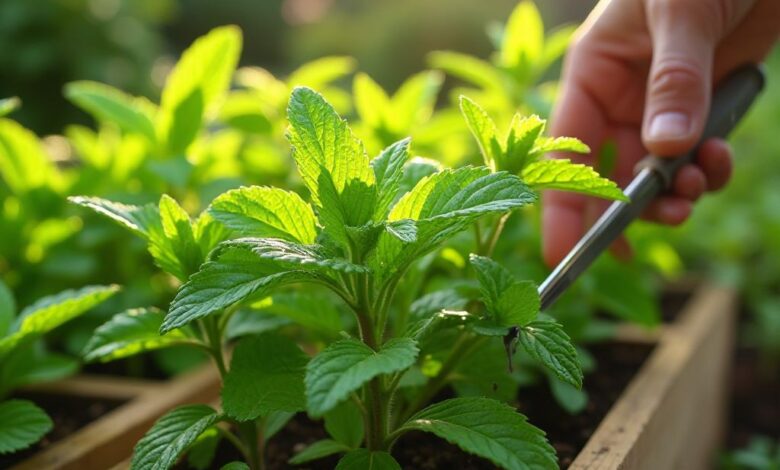
Regular harvesting is not just about enjoying your mint; it’s crucial for encouraging bushier growth and preventing the plant from flowering too early, which can diminish leaf flavor.
To harvest:
- Pinch off individual leaves as needed.
- For a larger harvest, cut stems back by about one-third, just above a leaf node or pair of leaves. This encourages new growth from that point.
- Harvest before the plant flowers for the best flavor. If it does flower, simply pinch off the flower buds.
Pest Control: Keeping Mint Healthy Naturally
Mint is relatively pest-resistant thanks to its strong aroma, but occasionally, you might encounter issues.
Common pests include:
- Aphids: Small, soft-bodied insects often found on new growth. Blast them off with a strong stream of water or use an insecticidal soap.
- Spider Mites: Tiny pests that cause stippling on leaves and fine webbing. Increase humidity around the plant and use insecticidal soap.
Healthy plants are the best defense. Ensure good air circulation and avoid overwatering. For organic pest control, products containing neem oil can also be effective.
Propagation Methods: Share the Minty Love
Mint is incredibly easy to propagate, making it perfect for sharing with friends or refreshing your own plants.
- Cuttings: The easiest method! Take a 4-6 inch stem cutting, remove the lower leaves, and place it in a glass of water. Roots will typically form within 1-2 weeks. Once roots are an inch long, plant in soil.
- Division: For established plants, especially those in the ground or large containers, simply dig up a section of the root ball with some stems attached and replant it.
- Seeds: While possible, growing mint from seed (like those from Burpee Seeds) can be less reliable for true-to-type flavor, as mint varieties often hybridize. Cuttings and division are preferred for maintaining specific varieties.
Expert Insider Tips from an Herbalist’s Garden
- The “Pinch-Back” Power: Don’t be afraid to prune your mint aggressively! Regularly pinching back the growing tips and even cutting plants down by half once a month will encourage bushier growth, prevent leggy stems, and concentrate the essential oils in the leaves, leading to more flavorful harvests.
- Variety is the Spice of Life (and Mint!): Explore beyond common spearmint and peppermint. Try chocolate mint for desserts, apple mint for fruit salads, or even ginger mint for a unique culinary twist. Each has a distinct flavor profile that can elevate different dishes. Grow them in separate containers to keep their flavors pure.
- Drying and Storing for Year-Round Enjoyment: To preserve your abundant harvest, hang bundles of mint upside down in a cool, dark, well-ventilated area until crisp. Once dry, strip the leaves and store them in airtight jars away from direct sunlight. Dried mint from suppliers like Mountain Rose Herbs or Frontier Co-op is excellent, but your homegrown dried mint will be even more potent!
- Mint Tea Beyond the Bag: For the most invigorating mint tea, use fresh leaves! Bruise a handful of fresh mint leaves gently between your fingers to release their oils, then steep in hot water for 5-10 minutes. It’s a revelation compared to pre-packaged options, though I still love the convenience of brands like Yogi Tea‘s Peppermint and Celestial Seasonings‘ Peppermint, or the classic Twinings and Harney and Sons varieties for quick enjoyment.
- The “Sacrificial Lamb” Trick: If you absolutely must plant mint directly in a garden bed without a barrier (which I strongly advise against!), dedicate a small, isolated patch of soil that you don’t mind mint colonizing. Think of it as a “sacrifice zone” where you can let it run wild and harvest as much as you like, keeping it contained to that specific area through constant harvesting and root pruning.
Health and Wellness Benefits: More Than Just a Pretty Leaf
Beyond its delightful flavor, mint is a powerhouse of natural wellness, revered for centuries in traditional medicine and increasingly supported by modern research.
- Digestive Aid: Perhaps its most famous benefit! Peppermint, in particular, is a natural antispasmodic, helping to relax the muscles of the digestive tract. This can alleviate symptoms of indigestion, bloating, gas, and even irritable bowel syndrome (IBS).
- Headache Relief: The menthol in peppermint has pain-relieving properties. Inhaling the aroma or applying diluted peppermint essential oil to the temples can help soothe tension headaches.
- Respiratory Support: The menthol acts as a natural decongestant, making mint invaluable for clearing stuffy noses and easing breathing during colds, flu, or allergies.
- Oral Health: Mint’s antibacterial properties contribute to fresh breath and can help combat oral bacteria. It’s no wonder it’s a popular ingredient in toothpaste and mouthwashes.
- Stress Reduction: The invigorating yet calming aroma of mint can help reduce stress and anxiety, promoting a sense of well-being. A warm cup of mint tea is a perfect evening ritual.
Common Mistakes to Avoid
Even though mint is forgiving, a few common blunders can lead to frustration:
- Planting Directly in the Ground Without Containment: This is the number one mistake! Unless you want a mint lawn, always use a container or a root barrier.
- Under-watering Container Plants: Mint in pots dries out quickly, especially in hot weather. Don’t let it wilt repeatedly, as this stresses the plant and can diminish flavor.
- Not Harvesting Regularly: Letting mint go to seed or become leggy reduces its vigor and flavor. Harvest often to encourage new, flavorful growth.
- Ignoring Pests: While generally robust, a neglected mint plant can fall prey to pests. Catching issues early prevents them from becoming major problems.
- Forgetting to Repot or Divide: Container-grown mint can become root-bound over time. Repot into a larger container or divide the plant every 1-2 years to keep it healthy and productive.
Safety and Precautions: Knowing Your Herbs
While mint is generally safe for most people, it’s wise to be aware of potential considerations:
- Gastroesophageal Reflux Disease (GERD): For some individuals with GERD, peppermint can relax the lower esophageal sphincter, potentially worsening heartburn. Spearmint is often a milder alternative.
- Gallstones: People with gallstones should use peppermint with caution, as it can stimulate bile flow. Consult your doctor if you have this condition.
- Medication Interactions: Peppermint oil may interact with certain medications, including cyclosporine (