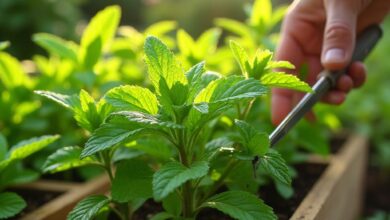
How to Turn Your Herb Garden Into a Small Business Selling Fresh and Dried Herbs


How to Turn Your Herb Garden Into a Small Business Selling Fresh and Dried Herbs
Imagine stepping into your garden on a crisp morning, the air alive with the scent of dew-kissed rosemary, the sweet whisper of basil, and the earthy embrace of thyme. The vibrant greens and purples are not just a feast for your eyes and nose, but a burgeoning promise. What if those fragrant leaves and delicate blossoms could transform from a beloved hobby into a thriving small business, bringing the joy of nature’s bounty to your community and beyond? The journey from passionate gardener to successful herb entrepreneur is not just a dream—it’s a deliciously achievable reality, ripe for the picking.
The Ancient Roots of Herbal Commerce: A Timeless Endeavor
For millennia, humans have cultivated, traded, and cherished herbs, recognizing their profound value in culinary, medicinal, and spiritual practices. From the spice caravans traversing ancient Silk Roads to the bustling apothecaries of medieval Europe, herbs have always been a cornerstone of commerce and culture. The Egyptians used herbs for embalming and medicine, the Romans for flavor and fragrance, and indigenous cultures worldwide have revered them for healing and connection to the earth. This deep-seated human appreciation for herbs continues today, perhaps stronger than ever. In a world increasingly focused on natural living, sustainable practices, and authentic flavors, the demand for high-quality, locally sourced fresh and dried herbs is soaring. People aren’t just looking for ingredients; they’re seeking connection to the source, purity, and the vibrant essence that only truly cared-for plants can offer. This enduring legacy creates a fertile ground for your own herb-based venture, tapping into a human desire as old as civilization itself.
From Garden to Market: Cultivating Your Herb Business
Turning your beloved herb patch into a profitable enterprise requires more than just green thumbs; it demands a blend of horticultural know-how, business acumen, and a sprinkle of creative marketing. Let’s dig into the practical steps.
Planning Your Herb Business: What to Grow and Who to Sell To
- Market Research & Niche Selection: Before you plant a single seed for profit, understand your local market. What herbs are in demand? Are there gaps? Do restaurants need fresh basil year-round? Do health-conscious consumers seek unique herbal tea blends? Consider specializing: culinary herbs, medicinal herbs, unique varietals, or even edible flowers.
- Popular & Profitable Herbs:
- Culinary Staples: Basil (Genovese, Thai, Lemon), Rosemary, Thyme, Oregano, Parsley (flat-leaf, curly), Cilantro, Mint (peppermint, spearmint, chocolate mint), Sage, Chives. These are always in demand.
- Herbal Tea Favorites: Chamomile, Lemon Balm, Peppermint, Lavender, Holy Basil (Tulsi), Rose Hips.
- Specialty & Medicinal: Echinacea, Calendula, St. John’s Wort, Valerian (research legality and claims carefully).
Cultivating for Commerce: Maximizing Your Harvest
Growing for sale is different from growing for your kitchen. Efficiency and yield are key.
- Soil Requirements: Most herbs thrive in well-draining soil with a pH between 6.0 and 7.0. Amend heavy clay soils with compost and sand. For containers, use a high-quality potting mix. Brands like Miracle-Gro Organic Choice Potting Mix can give your plants a strong start.
- Sunlight Needs: The vast majority of herbs prefer full sun (6+ hours daily). Exceptions include mint and parsley, which tolerate partial shade.
- Watering Schedule: Consistency is crucial. Water deeply when the top inch of soil feels dry. Avoid overwatering, which can lead to root rot. Drip irrigation or soaker hoses are excellent for efficiency in larger plots.
- Container vs. Ground Growing:
- Containers: Excellent for small spaces, controlling aggressive herbs (like mint), and extending growing seasons by moving plants indoors. Ideal for selling live plants or for specialized varietals.
- Ground: Best for larger yields and perennial herbs. Allows for deeper root growth and less frequent watering.
- Harvesting Techniques for Yield & Quality:
- Regular Pruning: This encourages bushier growth and prevents bolting (going to seed), extending your harvest. For basil, pinch off flower buds. For rosemary and thyme, snip off the top few inches.
- Timing: Harvest leafy herbs in the morning after the dew has dried but before the sun gets too hot, when their essential oils are most concentrated. For flowers like chamomile, harvest when fully open.
- Tools: Use clean, sharp scissors or pruners to avoid damaging the plant.
- Pest Control: Focus on organic methods. Introduce beneficial insects (ladybugs, lacewings), use neem oil, or make homemade insecticidal soap. Healthy plants are naturally more resistant.
- Propagation Methods for Scaling:
- Seeds: Economical for annuals like basil, cilantro, and dill. Source quality seeds from reputable companies like Burpee Seeds.
- Cuttings: Ideal for woody herbs like rosemary, sage, thyme, and mint. This ensures genetic identicality and faster growth than seeds.
- Division: For clumping perennials like chives, oregano, and mint.
From Garden to Market: Processing and Packaging Your Herbs
Presentation and preservation are paramount for sales.
- Fresh Herbs:
- Harvest & Clean: Harvest gently, shake off any loose soil or insects. Avoid washing until just before use or sale, as moisture can speed spoilage. If you must wash, dry thoroughly with a salad spinner or paper towels.
- Packaging: Bunch herbs neatly, secure with a rubber band or twine. Place stems in a small amount of water or wrap in a damp paper towel, then place in a breathable plastic bag or clamshell container. Label clearly.
- Storage: Keep refrigerated. Different herbs have different shelf lives (e.g., basil is sensitive to cold, while rosemary is hardier).
- Dried Herbs:
- Drying Methods:
- Air Drying: Best for herbs with lower moisture content (rosemary, thyme, oregano, sage, lavender). Bundle small bunches and hang upside down in a warm, dark, well-ventilated area.
- Dehydrator: Faster and more consistent, especially for herbs with higher moisture (basil, mint, lemon balm). Set to a low temperature (95-115°F / 35-46°C) to preserve essential oils.
- Processing: Once completely dry and brittle, strip leaves from stems. Crumble or chop as desired.
- Storage & Packaging: Store dried herbs in airtight glass jars away from direct sunlight and heat. For sale, use attractive, resealable bags or glass jars. Clearly label with herb name, weight, and harvest date. Consider sourcing bulk packaging from suppliers like Mountain Rose Herbs or Frontier Co-op if you need specialized pouches.
- Drying Methods:
- Herbal Teas & Blends:
- Blending: Combine dried herbs from your garden (e.g., peppermint, chamomile, lavender) with other botanicals or dried fruits. Experiment with unique flavor profiles.
- Packaging: Sell as loose leaf tea in attractive, airtight pouches or tins. You might even offer reusable tea infusers as an upsell.
Pricing Your Products and Finding Your Market
- Pricing: Research local farmers’ market prices and specialty grocery store prices. Factor in your time, materials, and the quality/freshness you offer. Don’t undersell your hard work!
- Sales Channels:
- Farmers’ Markets: Direct sales, great for building community and getting feedback.
- Local Restaurants & Cafes: Offer fresh, consistent supply. Build relationships with chefs.
- Specialty Grocery Stores & Co-ops: Can take larger volumes.
- Online Store/Social Media: Reach a wider audience. Use beautiful photography to showcase your herbs.
- Community Supported Agriculture (CSA): Offer herb shares as part of a larger CSA program.
- Wholesale to other businesses: For larger quantities of dried herbs.
Expert Insider Tips for the Budding Herb Entrepreneur
- Succession Planting is Your Secret Weapon: For annuals like basil and cilantro, plant small batches every 2-3 weeks. This ensures a continuous, fresh supply throughout the growing season, preventing gluts and shortages, and maximizing your market presence.
- Embrace the “Ugly” Herbs: Don’t discard perfectly good leaves just because they’re not picture-perfect for fresh bundles. These can be dried, powdered, or infused into oils and vinegars, turning potential waste into profitable products. Think beyond the bundle!
- Build Relationships with Chefs: Approach local chefs directly. Offer samples, discuss their specific needs (e.g., unique varietals, specific cuts), and be reliable. A chef’s endorsement and consistent orders can be invaluable.
- Focus on Education and Storytelling: Your herbs have a story – how they were grown, their unique properties, their culinary uses. Share this with your customers. Offer tasting notes, recipe cards, or quick tips. This adds immense value beyond just the product itself.
- Diversify Your Offerings: Once you master fresh and dried herbs, consider expanding. Think herbal salts, infused oils/vinegars, herb-infused honeys, small potted herb plants, or even DIY herb garden starter kits. This increases revenue streams and customer engagement.
Health and Wellness Benefits: The Power of Plants
Beyond their incredible flavors, herbs are packed with natural compounds that support our well-being. From aiding digestion to boosting immunity, the benefits are vast and often backed by centuries of traditional use and modern research. Rosemary, for instance, is rich in antioxidants and may support memory. Peppermint can soothe an upset stomach and clear congestion. Thyme offers antimicrobial properties. Lavender is renowned for its calming effects. Incorporating a variety of fresh and dried herbs into your diet is a simple, delicious way to enhance your health naturally, providing vitamins, minerals, and powerful phytonutrients that contribute to overall vitality. You’re not just selling herbs; you’re selling a piece of wellness.
Common Mistakes to Avoid on Your Herb Business Journey
- Overplanting Without a Market: Don’t grow more than you can realistically sell. Start small, gauge demand, and scale up thoughtfully.
- Poor Quality Control: Selling wilted fresh herbs or dusty, flavorless dried herbs will quickly damage your reputation. Consistency in quality is non-negotiable.
- Ignoring Regulations: Research local food safety regulations, labeling requirements, and any necessary permits for selling produce