How to Grow Lavender Successfully and Use It in Both Garden and Kitchen


The Purple Elixir: How to Grow Lavender Successfully and Infuse Its Magic into Your Garden and Kitchen
Close your eyes for a moment and imagine the scent. Not just any scent, but one that instantly transports you to sun-drenched fields in Provence, a gentle breeze carrying whispers of calm and beauty. This is the magic of lavender, a fragrance so profoundly evocative it’s been cherished for millennia. But here’s a surprising truth: while many adore its aroma in candles or sachets, few realize the incredible culinary depth and garden resilience hidden within those delicate purple blossoms. Prepare to unlock the full potential of this fragrant wonder, from nurturing its roots in your backyard to transforming everyday dishes into extraordinary experiences.
A Journey Through Time: Lavender’s Enduring Legacy
Lavender, from the Latin “lavare” meaning “to wash,” has a history as rich and vibrant as its color. Its story begins in the Mediterranean, Middle East, and India, where ancient civilizations quickly recognized its potent aromatic and medicinal qualities. The Egyptians used lavender oil in their mummification rituals and as a perfume, while the Romans famously used it to scent their baths, laundry, and even to flavor their food. Imagine a Roman bathhouse, steam rising, infused with the soothing scent of lavender – a true testament to its ancient allure.
Throughout the Middle Ages, monks and nuns cultivated lavender in monastery gardens for its medicinal properties, treating everything from headaches to insomnia. Queen Elizabeth I insisted on fresh lavender flowers in her court, and Queen Victoria was known to use lavender water as a perfume. From its pivotal role in early herbal medicine to becoming the heart of the French perfume industry, lavender has woven itself into the fabric of human culture, symbolizing purity, serenity, and devotion across continents. Today, it continues to captivate us, not just for its beauty and fragrance, but for its profound ability to soothe, heal, and delight our senses in both the garden and the kitchen.
Cultivating Purple Perfection: Growing Lavender Successfully
Growing lavender is a truly rewarding experience, transforming your garden into a fragrant sanctuary. While it carries an air of sophisticated beauty, it’s surprisingly resilient once you understand its basic needs. Let’s dig in!
Choosing Your Lavender Variety
For culinary purposes, the undisputed champion is Lavandula angustifolia, commonly known as English Lavender. Despite its name, it’s actually native to the Mediterranean and is prized for its sweet, less camphoraceous flavor. Popular cultivars include ‘Munstead’ and ‘Hidcote’, both excellent for cooking and cold-hardy. Other varieties like French Lavender (Lavandula stoechas) with its distinctive “bunny ear” bracts, or Lavandin (Lavandula x intermedia), a larger hybrid with a stronger, more camphorous scent, are wonderful for ornamental purposes, essential oils, or sachets, but generally not recommended for culinary use.
Sunlight Needs: A Sun Worshipper
Lavender absolutely thrives in full sun. It needs at least 6-8 hours of direct sunlight per day to produce abundant flowers and maintain its compact, bushy form. In shadier conditions, it will become leggy and produce fewer blooms, and its essential oil content (and thus its fragrance and flavor) will be diminished.
Soil Requirements: Drainage is Key!
This is perhaps the most critical factor for lavender success. Lavender hates wet feet. It naturally grows in rocky, sandy, alkaline soils. For your garden, aim for:
- Excellent Drainage: If you have heavy clay soil, amend it generously with sand, grit, or small gravel to improve drainage. Raised beds are also an excellent option.
- Alkaline to Neutral pH: Lavender prefers a soil pH between 6.5 and 7.5. If your soil is acidic, add some agricultural lime to raise the pH.
- Low Fertility: Lavender doesn’t need rich soil. Avoid excessive fertilization, which can lead to lush foliage but fewer flowers.
For container growing, choose a high-quality potting mix designed for succulents or cacti, or create your own blend with plenty of perlite or sand. Miracle-Gro Cactus, Palm & Citrus Potting Mix works wonderfully for container-grown lavender due to its excellent drainage properties.
Watering Schedule: Less is More
Once established, lavender is remarkably drought-tolerant. Overwatering is the most common cause of lavender demise. Water deeply but infrequently. Allow the soil to dry out completely between waterings. In humid climates, even less water is needed. Young plants will need more consistent watering until their root systems are established, typically for the first year.
Container vs. Ground Growing
- In the Ground: Ideal for lavender, especially in zones where it’s hardy (typically USDA Zones 5-9, depending on variety). Ensure proper spacing (18-24 inches apart) for good air circulation.
- In Containers: A great option for colder climates (where it can be brought indoors for winter) or for gardeners with heavy soil. Choose a pot that is at least 12-18 inches in diameter with ample drainage holes. Terra cotta pots are excellent as they allow the soil to breathe and dry out faster.
Harvesting Techniques: Capturing the Fragrance
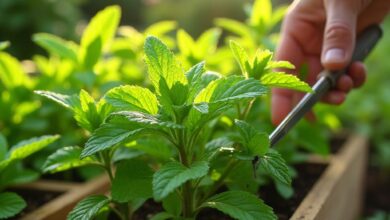
Harvesting is a joyful ritual! The best time to harvest lavender for culinary use or drying is when the flower buds have just opened, on a dry, sunny morning after the dew has evaporated. This is when the essential oil content is highest. Use sharp scissors or pruning shears to cut the stems, leaving at least 2-3 sets of leaves on the plant to encourage new growth. Gather the stems into small bunches and hang them upside down in a cool, dark, well-ventilated area until completely dry (usually 1-3 weeks). Once dry, gently strip the flowers from the stems and store them in airtight containers away from direct light.
Pest Control: Generally Problem-Free
Lavender’s strong scent acts as a natural deterrent to many pests, including deer and rabbits, which tend to leave it alone. Occasionally, you might encounter aphids or whiteflies. A strong spray of water or an insecticidal soap can usually handle these minor issues.
Propagation Methods: Share the Love
While you can start lavender from seed (look for Burpee Seeds for good quality options), it can be slow and unreliable. The easiest and most common method is through cuttings. In late spring or early summer, take 4-6 inch cuttings from healthy, non-flowering stems. Remove the lower leaves, dip the cut end in rooting hormone, and plant in a well-draining potting mix. Keep moist and warm until roots develop.
Lavender in the Kitchen: A Culinary Revelation
Beyond its aromatic allure, culinary lavender offers a unique flavor profile that can elevate both sweet and savory dishes. Remember, a little goes a long way!
Flavor Profile and Best Food Pairings
Culinary lavender offers a delicate floral, slightly sweet, and subtly piney flavor with hints of citrus. It can be surprisingly versatile:
- Sweet Pairings: Lemon, honey, chocolate, berries (especially blueberries and raspberries), peaches, vanilla, cream, shortbread.
- Savory Pairings: Lamb, chicken, goat cheese, rosemary, thyme, garlic, olives, balsamic vinegar. It’s a classic component of Herbes de Provence (you can find excellent blends from Simply Organic or Frontier Co-op).
Cooking Techniques and Recipe Ideas
The key is infusion and moderation. Use dried lavender buds, or fresh if you have them from your garden.
- Infusion: Steep lavender in hot liquids like milk, cream, water, or simple syrup. Strain before using.
- Lavender Lemonade: Steep 1-2 tsp dried lavender in 1 cup hot water for 10 minutes, strain, and add to your favorite lemonade recipe.
- Lavender Honey Syrup: Combine 1 cup water, 1 cup honey, and 1 tbsp dried lavender. Simmer for 5-10 minutes, strain, and use in cocktails, over pancakes, or in tea.
- Baking: Finely chop dried lavender buds and incorporate them into doughs or batters.
- Lavender Shortbread Cookies: Add 1-2 tsp finely chopped culinary lavender to your favorite shortbread recipe.
- Lavender Blueberry Muffins: A fantastic combination of floral and fruity.
- Savory Dishes: Use sparingly in rubs or marinades.
- Lavender-Crusted Lamb Chops: A pinch of finely chopped lavender in a rub with rosemary, garlic, salt, and pepper.
- Goat Cheese with Lavender and Honey: A simple and elegant appetizer.
- Teas: A classic use for its calming properties.
- Soothing Lavender Tea: Steep 1 tsp dried lavender buds in 8 oz hot water for 5-7 minutes. Add honey if desired. Many brands like Yogi Tea, Celestial Seasonings, Twinings, and Harney and Sons offer lavender-infused herbal blends.
Storage Tips
Store dried culinary lavender buds in an airtight container, away from direct sunlight and heat. Properly stored, they can retain their flavor and aroma for up to a year. For fresh lavender, use it within a few days or dry it immediately.
Substitution Options
If you don’t have culinary lavender, or if you’re looking for a similar floral note, rose petals can sometimes work in sweet applications. For savory dishes, rosemary or thyme can offer a similar aromatic depth, though without the distinct floral characteristic.
Expert Insider Tips for Lavender Lovers
- The “Haircut” Rule: Don’t be afraid to prune your lavender aggressively! After its first major bloom, give it a good “haircut,” removing about one-third of the plant. This prevents it from becoming woody and leggy, encourages bushier growth, and promotes a second flush of blooms. Repeat a lighter trim in the fall.
- Winter Water Watch: Even drought-tolerant lavender can suffer in winter. The combination of cold, wet soil is a death sentence. Ensure excellent drainage and avoid watering during dormant periods, especially if your region experiences winter rains or snow.
- The Culinary Sniff Test: Before using any lavender in cooking, give it a sniff. If it smells strongly of camphor or antiseptic, it’s likely a Lavandin variety and best reserved for potpourri, not your palate. Lavandula angustifolia will have a sweeter, more delicate aroma. When purchasing dried culinary lavender, I always recommend reputable suppliers like Mountain Rose Herbs or Frontier Co-op to ensure you’re getting the right variety and quality.
- Pair with a Bright Counterpart: Lavender’s distinct floral notes can be quite potent. To prevent it from tasting like soap, pair it with something bright and acidic, like lemon juice or zest, or a tart berry. This balance brings out lavender’s best qualities and prevents it from overpowering a dish.
- Deadheading for Continuous Blooms: While harvesting is for specific purposes, deadheading (removing spent flower stalks) throughout the season will encourage the plant to produce more flowers. This is especially true for younger plants and can significantly extend your bloom time.
Health and Wellness Benefits: Nature’s Calming Embrace
Lavender isn’t just a feast for the senses; it’s a powerhouse of wellness. Its traditional uses are now increasingly supported by modern research:
- Stress and Anxiety Relief: Perhaps its most famous benefit, lavender is renowned for its calming properties. The aromatic compounds, particularly linalool and linalyl acetate, interact with neurotrans