
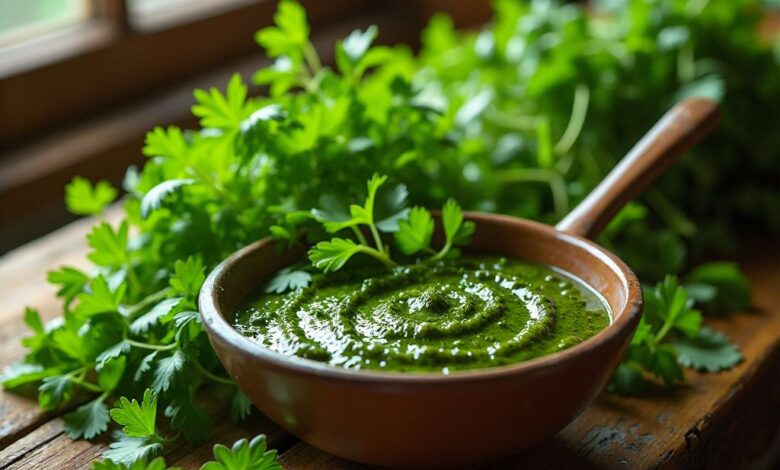
How to Make the Perfect Chimichurri Sauce Using Fresh Garden Herbs
Imagine a vibrant emerald green sauce, bursting with the freshest flavors of your garden, ready to elevate any meal from ordinary to extraordinary. This isn’t just any sauce; it’s chimichurri, a culinary masterpiece that dances on the palate with a symphony of tangy, garlicky, and herbaceous notes. Did you know that parsley, one of chimichurri’s star ingredients, was once revered by the ancient Greeks not just as a culinary herb, but as a symbol of victory and celebration, used to crown champions and adorn tombs? Its fresh, clean aroma and peppery bite are truly timeless, and when combined with other aromatic garden treasures, it creates a condiment so compelling, you’ll wonder how you ever lived without it.
A Taste of Argentina: The Rich History of Chimichurri
The story of chimichurri is as rich and flavorful as the sauce itself, deeply rooted in the sun-drenched pampas of Argentina and Uruguay. This iconic condiment is synonymous with the gaucho culture, the legendary cowboys of the South American plains. For generations, these skilled horsemen would gather around open fires, grilling succulent cuts of meat, and it was chimichurri that became their essential accompaniment, cutting through the richness of the beef with its bright, herbaceous zing.
While its exact origin is shrouded in a bit of mystery and delightful folklore, one popular theory suggests the name “chimichurri” evolved from “Jimmy’s Curry,” a phrase supposedly uttered by an Irishman named Jimmy who joined the gauchos and asked for his “curry” (sauce) to be served with the meat. Another tale attributes it to the Basque phrase “tximi-txurri,” meaning “a mixture of several things.” Regardless of its linguistic birth, chimichurri has transcended its humble beginnings to become a global culinary sensation, celebrated for its ability to transform simple ingredients into a feast for the senses. It’s a testament to the power of fresh herbs and a reminder that true flavor often lies in simplicity and quality ingredients.
Crafting Your Garden’s Masterpiece: The Perfect Chimichurri Recipe
Making chimichurri from scratch is a joyous act, especially when you’re plucking the main ingredients directly from your garden. The difference in flavor between store-bought dried herbs and vibrant, living fresh herbs is monumental. Let’s dive into creating a batch that will make your taste buds sing.
The Heart of the Sauce: Flavor Profiles of Key Herbs
- Fresh Flat-Leaf Parsley (Italian Parsley): This is the backbone of your chimichurri. Its flavor is clean, bright, and slightly peppery with a hint of earthiness. It provides a fresh, green depth that is irreplaceable.
- Fresh Oregano: Garden-fresh oregano is robust, aromatic, and slightly peppery with a warm, earthy undertone. It adds a layer of rustic complexity that grounds the brighter notes of the parsley.
- Fresh Cilantro (Optional, but Recommended for a Brighter Note): While traditional chimichurri often omits cilantro, a small addition can lend a delightful citrusy brightness and a hint of a peppery kick. For those with the genetic aversion to cilantro’s “soapy” taste, simply increase the parsley.
- Garlic: The pungent, aromatic heart-throb of the sauce. Fresh garlic provides a sharp, spicy bite that mellows into a warm, savory note as it melds with the other ingredients.
- Red Wine Vinegar: This provides the essential tang and acidity, cutting through richness and brightening all the flavors. Its fruity notes complement the herbs beautifully.
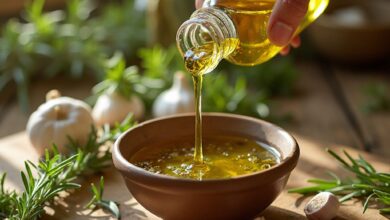
- Extra Virgin Olive Oil: The luxurious carrier for all these incredible flavors. A good quality extra virgin olive oil adds a smooth, slightly peppery, and fruity finish.
- Red Pepper Flakes: For a subtle warmth and a gentle kick that awakens the palate without overwhelming it.
- Sea Salt and Freshly Ground Black Pepper: Essential for seasoning and bringing all the flavors into harmony.
Best Food Pairings
Chimichurri is incredibly versatile. While it’s a legendary companion to grilled meats (especially steak, chicken, and lamb), don’t stop there! Drizzle it over roasted vegetables, pan-seared fish, eggs, or even stir it into a bowl of warm lentils. It makes a fantastic sandwich spread, a vibrant dressing for potato salad, or a simple dip for crusty bread. The possibilities are truly endless.
Cooking Techniques: The Art of the Chop
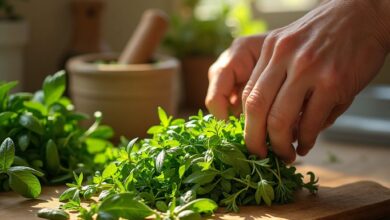
Chimichurri is a no-cook sauce, and the primary “technique” is all about the chop. For the most authentic and satisfying texture, hand-chopping your herbs and garlic is paramount. A food processor can be tempting for speed, but it often bruises the herbs, releasing too much moisture and resulting in a less vibrant color and a pasty texture. Embrace the meditative rhythm of a sharp knife on a cutting board!
Step-by-Step Recipe: Garden-Fresh Chimichurri
Ingredients:
- 1 cup packed fresh flat-leaf parsley, finely chopped
- 1/2 cup packed fresh oregano leaves, finely chopped
- 1/4 cup packed fresh cilantro leaves, finely chopped (optional)
- 4-6 cloves garlic, minced very finely
- 1/2 cup good quality extra virgin olive oil
- 1/4 cup red wine vinegar
- 1/2 teaspoon red pepper flakes (or more, to taste)
- 1/2 teaspoon sea salt, or to taste
- 1/4 teaspoon freshly ground black pepper, or to taste
Equipment:
- Sharp chef’s knife
- Large cutting board
- Medium mixing bowl
- Whisk or spoon
Instructions:
- Prepare Your Herbs: Gently wash your fresh parsley, oregano, and cilantro (if using) under cool water. Pat them thoroughly dry with a clean kitchen towel or spin them in a salad spinner. Excess water will dilute your sauce.
- Chop Finely: Lay your herbs on a large cutting board. Using a sharp knife, finely chop the parsley, oregano, and cilantro. Aim for a consistent, small dice. Transfer the chopped herbs to your mixing bowl.
- Mince the Garlic: Peel and mince your garlic cloves very finely. You want tiny pieces, not large chunks. Add the minced garlic to the bowl with the herbs.
- Combine Dry Ingredients: Add the red pepper flakes, sea salt, and freshly ground black pepper to the herb and garlic mixture. Stir gently to combine.
- Add Wet Ingredients: Pour in the red wine vinegar and then the extra virgin olive oil.
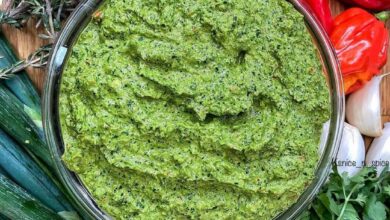
- Mix and Mingle: Whisk or stir everything together until well combined. The sauce should be loose and vibrant, with the herbs suspended in the oil and vinegar.
- Rest for Flavor: This is a crucial step! Cover the bowl and let the chimichurri rest at room temperature for at least 30 minutes to allow the flavors to meld and develop. For an even deeper flavor, refrigerate for a few hours or overnight, bringing it back to room temperature before serving.
- Taste and Adjust: Before serving, taste your chimichurri. Does it need more salt? A touch more vinegar for brightness? A pinch more pepper? Adjust to your preference.
Storage Tips
Store your homemade chimichurri in an airtight container in the refrigerator for up to 5-7 days. The flavors will deepen over time, but the vibrant green color might slightly darken. Always bring it to room temperature before serving to ensure the oil is fluid and the flavors are optimally expressed.
Substitution Options
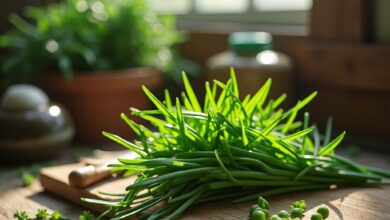
- For Cilantro Haters: Simply omit the cilantro and use a bit more parsley, or add a few finely chopped chives or mint leaves for a fresh twist.
- Vinegar Alternatives: If you don’t have red wine vinegar, apple cider vinegar or fresh lemon juice can work in a pinch, though the flavor profile will shift slightly.
- Dried Herbs: While fresh is always best, if you must use dried, reduce the quantity significantly (e.g., 1 tablespoon dried for 1/4 cup fresh) and hydrate them in the vinegar for 10 minutes before adding other ingredients. I recommend Frontier Co-op or Simply Organic for high-quality dried herbs if your garden isn’t cooperating.
Expert Insider Tips from Your Herbalist’s Kitchen
- The Hand-Chop Advantage: Seriously, resist the food processor! Hand-chopping ensures a superior texture, allowing the herbs to retain their structure and vibrant oils without becoming bruised or pasty. It’s a labor of love that truly pays off in the final product.
- Embrace the Mellowing Time: While 30 minutes is good, letting your chimichurri rest for several hours or even overnight in the refrigerator allows the garlic to mellow, the vinegar to infuse, and all the diverse flavors to truly marry. Just remember to let it come to room temperature before serving.
- Quality Olive Oil is Non-Negotiable: Since olive oil is such a prominent component, invest in a good quality extra virgin olive oil. A robust, fruity oil will elevate your chimichurri, while a poor-quality one can leave it tasting greasy or bitter. Look for reputable brands or those with a harvest date.
- The Vinegar-Garlic Trick: For a slightly less pungent garlic bite, mince your garlic first and let it sit in the red wine vinegar for about 5-10 minutes before adding it to the herbs. The acidity helps to gently “cook” and mellow the raw garlic flavor.
- Season in Layers: Don’t just dump in all the salt and pepper at once. Add half, mix, taste, and then add more as needed. The acidity of the vinegar and the freshness of the herbs can change how salt is perceived.
Health and Wellness Benefits: A Burst of Goodness
Beyond its incredible flavor, chimichurri is a powerhouse of natural health benefits, thanks to its fresh, wholesome ingredients.
- Parsley: Rich in Vitamin K, essential for bone health and blood clotting, and Vitamin C, a potent antioxidant supporting immune function. It also contains powerful flavonoids like apigenin, known for their anti-inflammatory properties.
- Oregano: A true herbal hero, oregano contains carvacrol and thymol, compounds with significant antimicrobial, antioxidant, and anti-inflammatory effects. It’s a wonderful digestive aid and immune booster.
- Cilantro: Known for its potent antioxidant content and traditional use in supporting detoxification, particularly in binding to heavy metals. It’s also a source of vitamins A and K.
- Garlic: Contains allicin, a sulfur compound famous for its immune-boosting, cardiovascular-protective, and anti-inflammatory benefits. It’s truly a medicinal food.
- Extra Virgin Olive Oil: A cornerstone of the Mediterranean diet, EVOO is packed with monounsaturated fatty acids (MUFAs), which are heart-healthy fats. It’s also rich in antioxidants and has anti-inflammatory properties.
Together, these ingredients create not just a delicious sauce, but a vibrant elixir that supports overall well-being. It’s a testament to the fact that eating well can be both deeply satisfying and incredibly healthy!
Common Mistakes to Avoid
- Over-Processing: As mentioned, using a food processor for too long or on too high a setting will turn your vibrant herbs into a sad, watery paste. Hand-chop for perfection.
- Using Old or Wilted Herbs: The essence of chimichurri is freshness. Old, tired herbs will result in a dull,