

Introduction
Many people rely on coffee to start the day or push through busy hours. While coffee is popular, not everyone enjoys its taste or how it makes them feel. Some people prefer gentler options that fit better into their daily routine.
Herbal alternatives to coffee are often chosen for their flavor, aroma, and traditional use in everyday drinks. These options are commonly enjoyed as teas or warm beverages and are part of normal food culture in many regions. This article explains herbal alternatives to coffee for daily energy in a clear, educational, and beginner-friendly way.
What This Topic Means (Simple Explanation)
Herbal alternatives to coffee are plant-based drinks that people enjoy instead of coffee. They are usually made from herbs, roots, seeds, or leaves and are prepared as teas or brewed drinks.
In simple terms:
- They are coffee substitutes, not coffee replacements
- They are enjoyed for taste, warmth, and routine
- They are part of everyday food and drink habits
- They are not medicines or treatments
Some herbal drinks contain natural caffeine, while others are caffeine-free but still popular for morning or daytime use.
Why This Is Important
Understanding herbal alternatives to coffee is helpful for everyday life.
First, it gives you more choices. You are not limited to one type of drink.
Second, it helps you build routines that suit your preferences. Some people enjoy lighter or smoother beverages.
Third, it encourages variety in daily drinks. Rotating beverages can make routines more enjoyable.
Fourth, it helps beginners explore herbal drinks without confusion or unrealistic expectations.
Finally, herbal alternatives fit well into balanced, mindful daily habits.
Common Types or Examples
Below are well-known herbal drinks commonly used as coffee alternatives. These are enjoyed around the world for their flavor and traditional use.
Herbal Alternatives That Contain Natural Caffeine
Yerba Mate
Yerba mate is a traditional herbal drink from South America.
Common uses:
- Brewed as a tea
- Enjoyed warm or hot
Why it is popular:
- Bold, earthy flavor
- Traditionally consumed during the day
- Often enjoyed socially
Yerba mate is commonly chosen as a coffee alternative by those who enjoy strong flavors.
Guayusa

Guayusa is a leafy herb traditionally used in drinks.
Common uses:
- Brewed as herbal tea
- Consumed in the morning
Why it is popular:
- Smooth taste
- Traditionally part of daily routines
Guayusa is often described as milder in taste than coffee.
Green Tea (Plant-Based Beverage)
Green tea is widely consumed worldwide.
Common uses:
- Hot tea
- Light brewed drinks
Why it is popular:
- Light flavor
- Common morning beverage
- Easy to prepare
Green tea is often chosen by people who want a lighter drink than coffee.
Matcha (Green Tea Powder)
Matcha is powdered green tea used in drinks.
Common uses:
- Whisked into hot water
- Mixed into warm beverages
Why it is popular:
- Rich, earthy flavor
- Used in traditional tea rituals
Matcha is often enjoyed as part of mindful routines.
Herbal Alternatives Without Caffeine
Chicory Root
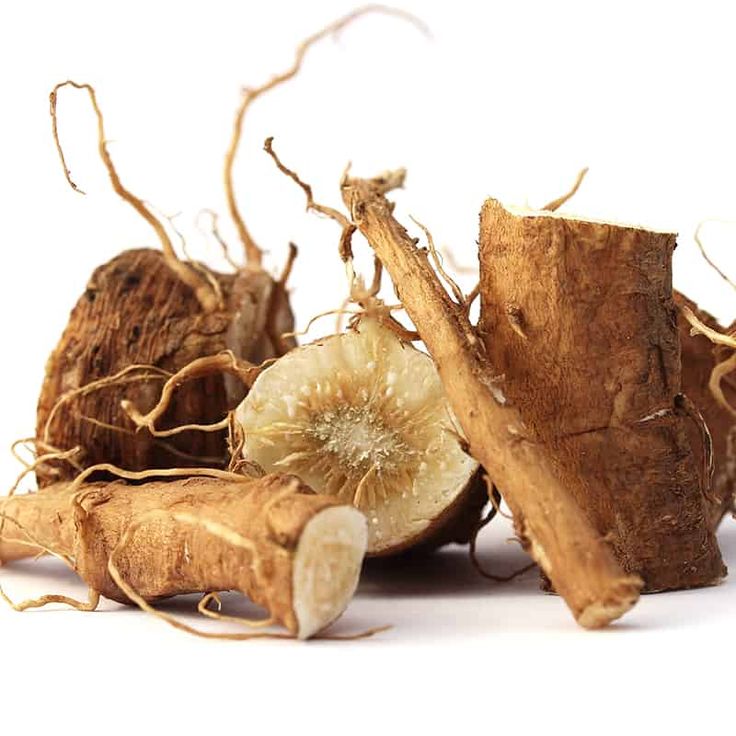
Chicory root is one of the most popular caffeine-free coffee alternatives.
Common uses:
- Roasted and brewed like coffee
Why it is popular:
- Coffee-like taste
- Rich and roasted flavor
- Caffeine-free
Chicory root is often used alone or blended with other roots.
Dandelion Root
Dandelion root is commonly roasted and brewed.
Common uses:
- Coffee-style drinks
- Warm beverages
Why it is popular:
- Earthy, roasted taste
- Traditionally used in hot drinks
It is often enjoyed by those avoiding caffeine.
Carob
Carob comes from the pods of the carob tree.
Common uses:
- Powdered drinks
- Warm beverages
Why it is popular:
- Naturally sweet flavor
- Mild taste
Carob-based drinks are often enjoyed in the afternoon.
Rooibos
Rooibos is a herbal tea from South Africa.
Common uses:
- Hot or warm tea
Why it is popular:
- Naturally caffeine-free
- Smooth, slightly sweet taste
Rooibos is often enjoyed throughout the day.
How to Use or Apply This in Daily Life
Adding herbal coffee alternatives to your routine is simple and flexible.
Step 1: Decide What You Want From a Drink
Ask yourself:
- Do I want a strong, bold flavor?
- Do I want a light, smooth drink?
- Do I prefer caffeine or caffeine-free?
This helps narrow your choice.
Step 2: Start With One Alternative
Beginners should start with one option at a time.
Good starting choices:
- Chicory root for coffee-like taste
- Rooibos for caffeine-free sipping
- Green tea for a lighter option
Step 3: Prepare It Simply
Most herbal alternatives are easy to prepare.
Common methods:
- Steeping in hot water
- Brewing like coffee
- Mixing powder into warm water
Follow basic preparation instructions and adjust strength to taste.
Step 4: Enjoy as Part of a Routine
Herbal alternatives work best when enjoyed consistently.
Ideas:
- Morning warm drink
- Midday break beverage
- Afternoon coffee substitute
Routines matter more than exact preparation.
Step 5: Rotate Options
Using different drinks keeps things interesting.
Example rotation:
- Green tea in the morning
- Chicory root midday
- Rooibos in the evening
This adds variety without complexity.
Tips for Beginners
These tips help beginners explore herbal coffee alternatives comfortably.
- Start with mild flavors
- Brew lightly at first
- Avoid adding too many ingredients
- Notice how each drink fits your routine
- Keep preparation simple
- Store herbs properly
- Choose flavors you enjoy
Common Mistakes to Avoid
Avoiding these mistakes keeps the experience enjoyable.
Expecting Herbal Drinks to Taste Exactly Like Coffee
Some are similar, but most have their own unique flavor.
Using Too Much at Once
Strong brews can be overwhelming. Start small.
Mixing Too Many Alternatives Together
Simple is better for beginners.
Ignoring Personal Taste
Choose what you enjoy, not what is popular.
Poor Storage
Heat and moisture reduce quality and flavor.
Safety and Usage Notes
Herbal alternatives discussed here are for everyday food and drink use only.
- Use herbs in normal beverage amounts
- Store herbs in clean, airtight containers
- Avoid excessive consumption
- Use herbs you can clearly identify
- This article is educational and not medical advice
If you have concerns about herbal drinks, consult a qualified professional.
Frequently Asked Questions (FAQs)
Are herbal coffee alternatives caffeine-free?
Some are caffeine-free, while others naturally contain caffeine. Always check the source.
Can herbal alternatives fully replace coffee?
Many people enjoy them as substitutes, but preferences vary.
Do herbal coffee alternatives taste like coffee?
Some have roasted flavors, but each has its own taste.
Can I drink these every day?
Many people include them regularly as part of daily routines.
Are herbal alternatives suitable for evenings?
Caffeine-free options are often chosen later in the day.
Should I sweeten herbal coffee alternatives?
Sweetening is optional and based on personal taste.
Conclusion
Herbal alternatives to coffee offer variety, flavor, and flexibility for daily routines. Options like chicory root, rooibos, green tea, yerba mate, and dandelion root are enjoyed around the world as warm, comforting beverages.
For beginners, the key is exploration. Start with one herbal alternative, prepare it simply, and see how it fits into your day. Over time, herbal coffee alternatives can become enjoyable parts of a balanced and mindful daily routine—without relying on coffee alone.