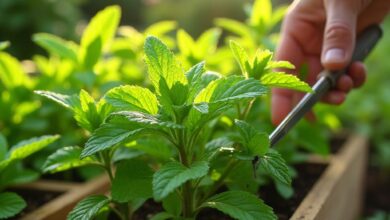
How to Grow Thyme as a Ground Cover That Is Both Beautiful and Edible

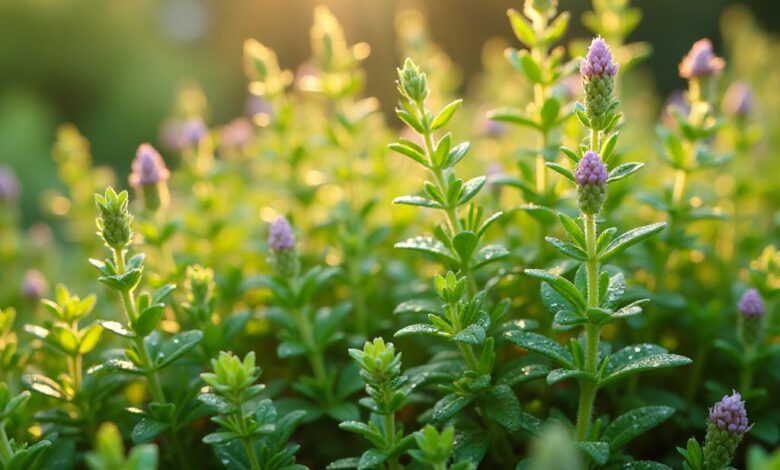
Ah, the humble thyme! Just the whisper of its name conjures images of sun-drenched Mediterranean hillsides, the savory aroma of a perfectly roasted chicken, or perhaps, the memory of a childhood garden where tiny, fragrant leaves brushed against your ankles. But did you know that this beloved culinary herb, with its delicate beauty and robust flavor, holds a secret superpower? Thyme is an unsung hero of the garden, a resilient, low-growing marvel that can transform barren patches into a vibrant, aromatic carpet – and yes, you can eat every single delicious bit of it!
Imagine stepping out into your garden, the warmth of the sun on your face, and as your foot gently presses against a lush green carpet, a wave of earthy, lemony, or even caraway-scented perfume rises to greet you. This isn’t just a dream; it’s the everyday reality of a garden graced by ground cover thyme. It’s a plant that not only delights the senses but also offers a constant invitation to bring the freshest flavors from your garden directly to your kitchen. Forget those fussy lawns; let’s talk about cultivating a living, edible tapestry that’s as beautiful as it is bountiful.
A Journey Through Time with Thyme
Thyme, or *Thymus vulgaris* and its many captivating cousins, boasts a lineage as rich and fragrant as its leaves. Its story stretches back thousands of years, weaving through ancient civilizations where it was cherished for both its practical and mystical properties. The very word “thyme” is thought to derive from the Greek “thymos,” meaning “courage,” or “thyein,” meaning “to fumigate.”
Ancient Egyptians used thyme in their embalming rituals, recognizing its potent preservative qualities. The Greeks, ever the philosophers and aesthetes, bathed in thyme-infused waters and burned bundles of it as incense in their temples, believing it to be a source of courage and a purifier of the air. Roman soldiers, too, embraced its fortifying spirit, exchanging sprigs before battle. Medieval knights wore scarves embroidered with thyme, a symbol of bravery and protection in jousts and crusades. It was even placed under pillows to ward off nightmares and ensure a peaceful sleep, a testament to its calming aroma.
From these ancient roots, thyme traveled across continents, becoming an indispensable part of European monastic gardens, revered for its medicinal virtues. Today, its legacy continues. Thyme is a cornerstone of Mediterranean cuisine, a staple in French herbes de Provence, and a beloved flavor enhancer in kitchens around the globe. It’s more than just a seasoning; it’s a living link to history, a plant that continues to inspire courage, purify spaces, and nourish our bodies and souls.
Cultivating Your Edible Thyme Ground Cover: A Gardener’s Guide
Growing thyme as a ground cover is incredibly rewarding, marrying aesthetic appeal with culinary practicality. The key is understanding its preferences and giving it the right start. You’ll find it to be a remarkably forgiving and resilient plant once established.
Choosing Your Thyme Varieties for Ground Cover
Not all thymes are created equal when it comes to ground cover. While many are edible, some are better suited for sprawling carpets than others. Here are a few favorites:
- Creeping Thyme (Thymus serpyllum): This is the quintessential ground cover thyme, forming dense mats of tiny leaves. Varieties like ‘Elfin’ offer extremely tight growth, perfect for between stepping stones, while ‘Coccineus’ (Red Creeping Thyme) bursts with vibrant magenta flowers. Its flavor is classic, earthy thyme.
- Woolly Thyme (Thymus pseudolanuginosus): Known for its soft, fuzzy, gray-green leaves, Woolly Thyme creates a beautiful textural contrast. While not as intensely flavored as culinary thymes, it’s still edible and delightful, especially for visual appeal.
- Lemon Thyme (Thymus citriodorus): For a burst of citrusy goodness, Lemon Thyme is fantastic. It forms a slightly taller, mounding ground cover and its leaves are perfect for fish, chicken, or herbal teas. Look for varieties like ‘Silver Queen’ for variegated foliage.
- Caraway Thyme (Thymus herba-barona): A unique option that offers a distinct caraway scent and flavor. It forms a flat mat and is excellent for adding an unexpected twist to culinary dishes.
The Sunshine and Soil Sweet Spot
Thyme is a sun worshipper! To thrive as a dense, healthy ground cover, it absolutely needs full sun – at least 6 hours of direct sunlight per day. Less sun will result in leggy, sparse growth and weaker flavor.
When it comes to soil, think Mediterranean hillsides: lean, well-drained, and not too rich. Thyme despises wet feet. Heavy clay soils are its nemesis. Here’s how to prepare the perfect bed:
- Drainage is Key: If you have heavy clay, amend your soil generously with organic matter like compost and coarse sand or grit. This improves drainage dramatically. Avoid overly rich potting mixes often marketed for annuals; thyme prefers lean conditions.
- pH Preference: Thyme prefers a slightly alkaline to neutral pH (6.0 to 8.0). If your soil is very acidic, a little agricultural lime can help balance it, but generally, good drainage is more important.
Planting Your Thyme Tapestry
Whether you start from seeds, small plants, or cuttings, planting thyme for ground cover is straightforward:
- From Seeds: Starting from seed, especially with varieties like Creeping Thyme from reputable sources like Burpee Seeds, can be done indoors 6-8 weeks before the last frost or directly sown outdoors after danger of frost has passed. Seeds are tiny, so barely cover them with soil. Germination can be slow and uneven, so patience is key.
- From Starter Plants: This is often the quickest way to establish a ground cover. Space your plants according to their mature spread (usually 6-12 inches apart). Dig a hole slightly larger than the root ball, place the plant, backfill with soil, and gently firm around the base.
- From Cuttings: Thyme roots easily from cuttings. Take 3-4 inch non-flowering stems, strip the leaves from the bottom inch, and stick them directly into moist, well-draining soil or a rooting medium. Keep them moist until roots develop.
Watering Wisdom
Once established, thyme is incredibly drought-tolerant. Overwatering is the most common killer of thyme! For new plantings, water regularly to keep the soil consistently moist (but not soggy) until the plants are established and showing new growth. After that, water sparingly, only when the top few inches of soil are completely dry. In many climates, established ground cover thyme may only need supplemental watering during extended dry spells.
Harvesting Your Edible Ground Cover
The beauty of an edible ground cover is the constant invitation to harvest! Here’s how to do it sustainably:
- Snip, Don’t Strip: Use sharp kitchen shears or small snips to harvest sprigs. Take only 4-6 inches of the tender, leafy growth. Avoid cutting into the woody stems, as this can hinder regrowth.
- Harvest Frequently: Regular harvesting encourages bushier growth and keeps your ground cover looking neat. Think of it as a gentle pruning.
- Don’t Overdo It: While you can harvest throughout the growing season, avoid taking more than a third of the plant at any one time, especially from young or newly established plants.
- Peak Flavor: For the most intense flavor, harvest in the morning after the dew has dried but before the sun gets too hot.
Culinary Delights with Fresh Thyme
Fresh thyme from your garden is a revelation! Its aromatic oils are at their peak. Here are just a few ideas:
- Roasts: Tuck sprigs under the skin of chicken, lamb, or pork before roasting.
- Soups & Stews: Add a few sprigs to your favorite lentil soup, beef stew, or creamy potato soup.
- Vegetables: Toss with roasted potatoes, carrots, or mushrooms.
- Infused Oils & Vinegars: Create your own gourmet additions by infusing olive oil or white wine vinegar with fresh thyme.
- Baking: Savory scones, focaccia, or even a lemon-thyme shortbread.
- Simple Syrup: A lemon-thyme simple syrup is divine in cocktails or lemonade.
Pest Patrol and Disease Prevention
Thyme is remarkably robust and generally pest and disease-free, thanks to its potent essential oils. Good air circulation and proper drainage are your best defenses against any potential fungal issues. If you notice any signs of trouble, ensure your plants aren’t sitting in soggy soil and that they have ample space to breathe.
Propagation for Expansion
Once you have a thriving patch, you’ll want more! Thyme is easy to propagate:
- Cuttings: As mentioned, this is very effective.
- Division: For older, woody plants, you can gently dig up a clump, divide it into smaller sections with roots attached, and replant.
- Layering: Simply pin a low-lying stem to the soil surface, cover it with a little soil, and it will often root where it touches the ground. Once rooted, you can sever it from the mother plant.
Expert Insider Tips from Your Herbalist Friend
Having spent a decade coaxing life from the soil and flavor from the leaf, I’ve gathered a few nuggets of wisdom about ground cover thyme that I’m thrilled to share:
- The “Thyme Path” Phenomenon: For the ultimate sensory experience, plant creeping thyme varieties like ‘Elfin’ or ‘Coccineus’ between stepping stones or along garden pathways. As you walk, the gentle pressure releases its intoxicating aroma, creating a truly magical, fragrant journey through your garden. Just ensure the variety you choose can handle light foot traffic.
- Companion Planting Magic: Thyme makes an excellent companion plant. Its strong aroma can deter pests like cabbage worms and whiteflies, benefiting nearby brassicas, tomatoes, and roses. Plus, it attracts beneficial pollinators, making your whole garden healthier.
- Winter Mulching for Resilience: In colder USDA zones (below zone 5), a light layer of straw or pine needles applied after the first hard freeze can provide crucial insulation for your ground cover thyme, protecting it from harsh winter winds and temperature fluctuations. Remove it promptly in spring to prevent rot.
- Don’t Over-Fertilize: This is a big one! Thyme thrives on neglect, particularly when it comes to nutrients. Rich soil or excessive fertilization, even with a general garden food like Miracle-Gro, can lead to leggy, less flavorful growth and fewer flowers. If your soil is truly impoverished, a very light top-dressing of compost once a year is more than sufficient.