

Introduction
Herb sauces are a simple way to add flavor and richness to meals. They can turn plain foods into something special with very little effort. For beginners, one common point of confusion is the difference between oil-based and cream-based herb sauces. Recipes often mention one or the other without much explanation.
Understanding how these two types of herb sauces work makes cooking easier and more enjoyable. This article explains oil-based vs cream-based herb sauces in clear, simple language. By the end, you will know how they differ and how to use each one confidently in everyday cooking.
What This Topic Means (Simple Explanation)
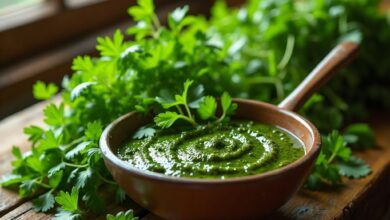
Herb sauces are sauces where herbs play a main role in flavor. They are usually mixed with a base ingredient that carries the herbs and helps spread flavor across the dish.
There are two common bases:
- Oil-based sauces, which use oils like olive oil as the main base
- Cream-based sauces, which use cream, milk, or similar dairy ingredients as the base
The main difference between oil-based and cream-based herb sauces is the texture, richness, and how they are used in cooking. Oil-based sauces are usually lighter and fresher. Cream-based sauces are richer and smoother.
Why This Is Important
Knowing the difference between oil-based and cream-based herb sauces has practical benefits.
First, it helps you choose the right sauce for your dish. Some foods taste better with light, fresh sauces, while others pair better with rich and creamy ones.
Second, it improves cooking results. Using the wrong type of sauce can make a dish feel too heavy or too plain.
Third, it saves time and reduces mistakes. When you understand how these sauces work, you can adjust recipes more easily or make simple sauces without following exact instructions.
Finally, this knowledge helps beginners feel more confident experimenting with herbs, whether cooking daily meals or preparing food for guests.
Common Types or Examples
Both oil-based and cream-based herb sauces include many popular examples. Below are common types you may see or use in everyday cooking.
Oil-Based Herb Sauces
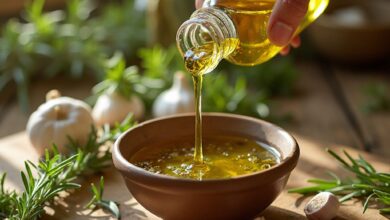
Oil-based sauces rely on oil as the main ingredient. Herbs are mixed in to add flavor.
Common examples include:
- Herb-infused olive oil
- Simple garlic and herb oil
- Basil-based sauces
- Parsley and lemon oil sauces
- Herb vinaigrettes
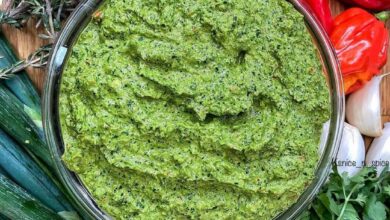
These sauces often look shiny and fluid. They usually have a fresh aroma and clean taste.
Cream-Based Herb Sauces
Cream-based sauces use dairy to create a smooth and thick texture.
Common examples include:
- Herb cream sauces
- Garlic and herb cream sauce
- Cheese and herb sauces
- White sauces with added herbs
- Creamy pan sauces with herbs
These sauces are thicker and coat food more heavily.
How to Use or Apply This in Daily Life
Using oil-based vs cream-based herb sauces becomes easy when you understand when each works best.
Step 1: Match the Sauce to the Dish
Think about the food you are serving.
Oil-based herb sauces work well with:
- Grilled vegetables
- Roasted meats
- Salads
- Pasta with light toppings
- Bread and grains
Cream-based herb sauces work well with:
- Pasta dishes
- Chicken and fish
- Potatoes
- Mushrooms
- Baked dishes
Step 2: Consider the Cooking Method
How the food is cooked matters.
- Oil-based sauces are often added after cooking or used as finishing sauces.
- Cream-based sauces are often cooked gently and served warm.
Step 3: Use Herbs Correctly
For both types:
- Chop fresh herbs finely for even flavor.
- Add herbs at the right time.
Oil-based sauces often use fresh herbs added at the end.
Cream-based sauces may use dried herbs early and fresh herbs later.
Step 4: Start Simple
Begin with basic combinations:
- Oil + garlic + one herb
- Cream + garlic + one herb
Once comfortable, you can add more ingredients.
Step 5: Taste and Adjust
Taste as you go. Adjust salt, herbs, or texture slowly.
Tips for Beginners
These simple tips help beginners avoid confusion when making or using herb sauces.
- Use fresh herbs for brighter flavor in oil-based sauces.
- Use dried herbs carefully in cream-based sauces to avoid overpowering flavor.
- Warm cream-based sauces gently to prevent texture issues.
- Use good-quality oil for oil-based sauces, as oil flavor matters.
- Keep sauces simple with one or two herbs at first.
- Store leftover sauces properly and use them soon.
Common Mistakes to Avoid
Many beginners make similar mistakes when working with herb sauces. Knowing them helps you improve quickly.
Using Too Many Herbs
Too many herbs can clash. Start with one main herb and build slowly.
Overheating Cream-Based Sauces
High heat can change texture. Keep heat low and stir often.
Adding Fresh Herbs Too Early
Fresh herbs lose flavor when cooked too long. Add them near the end.
Using Strong Oils Without Balance
Strong oils can overpower herbs. Balance flavors carefully.
Treating Both Sauces the Same
Oil-based and cream-based sauces behave differently. Adjust timing and heat accordingly.
Safety and Usage Notes
Herb sauces discussed here are for normal cooking use.
- Wash fresh herbs before using them.
- Store oil-based sauces in clean containers.
- Keep cream-based sauces refrigerated when not in use.
- Use sauces within a reasonable time for best quality.
- Avoid using herbs you cannot identify clearly.
This article focuses on cooking techniques and general kitchen use only.
Frequently Asked Questions (FAQs)
Which is healthier, oil-based or cream-based herb sauce?
Both can fit into everyday cooking. The choice depends on taste preference and the dish being prepared.
Can I substitute an oil-based sauce for a cream-based one?
Sometimes, but the texture and flavor will be different. Choose based on the dish.
Are oil-based herb sauces always served cold?
No. Some are used warm, but many are added at room temperature or after cooking.
Can cream-based herb sauces be made ahead of time?
Yes, but they are best gently reheated and stirred before serving.
Do oil-based sauces last longer than cream-based sauces?
Oil-based sauces often keep longer when stored properly. Cream-based sauces usually need quicker use.
Can I mix oil and cream in one sauce?
Some sauces use both, but beginners should start with one base to learn the basics.
Conclusion
Oil-based and cream-based herb sauces each have their own strengths. Oil-based herb sauces are light, fresh, and simple. Cream-based herb sauces are rich, smooth, and comforting.
For beginners, the key is understanding when to use each type and how they behave during cooking. Start with simple recipes, focus on one or two herbs, and taste as you go. With practice, choosing between oil-based vs cream-based herb sauces will feel natural and help you create flavorful meals with confidence.