
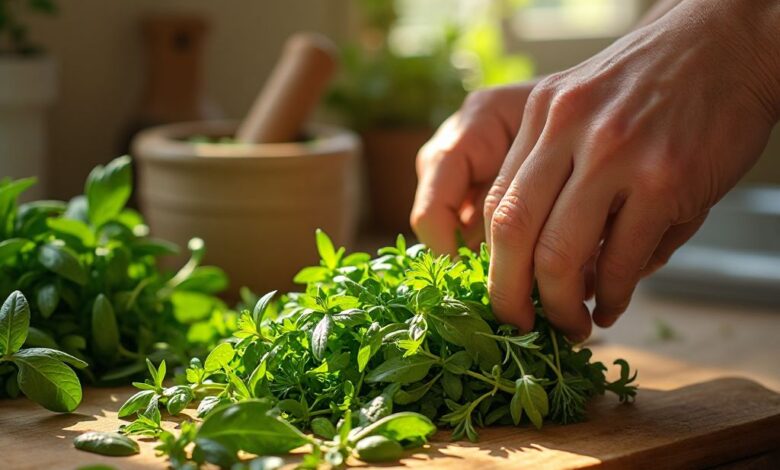
The Liberating Art of Pesto: Crafting Green Gold from Whatever Herbs You Have
Close your eyes for a moment and imagine the vibrant symphony of fresh basil, the whisper of garlic, the nutty embrace of pine nuts, and the salty kiss of Parmesan, all swirling together in a verdant, aromatic cascade. That’s the magic of pesto, isn’t it? But what if I told you that this beloved green sauce, a staple on dinner tables and a star in countless culinary creations, doesn’t need a strict recipe, nor does it demand a single herb? In fact, the most delightful pesto often springs from an act of creative liberation – using whatever verdant treasures your garden or farmer’s market offers, transforming them into a personalized masterpiece. Forget the tyranny of exact measurements; today, we’re diving into the intuitive, sensory-rich world of crafting fresh pesto without a recipe, guided by your palate and the bounty of the earth.
A Journey Through Green Gold: The Rich History of Pesto
To truly appreciate the liberating spirit of “no-recipe” pesto, let’s cast our minds back to its origins. The word “pesto” itself comes from the Genoese word “pestâ,” meaning “to crush” or “to pound,” a direct reference to the traditional method of preparation using a mortar and pestle. While the basil-pine nut-Parmesan version, Pesto alla Genovese, is the most famous, its roots trace back much further than the 19th century. Ancient Romans enjoyed a similar crushed garlic and herb paste called moretum. Fast forward centuries, and the Ligurian region of Italy, with its abundant basil and olive groves, perfected the iconic sauce we know today.
Pesto isn’t just a sauce; it’s a testament to ingenuity and resourcefulness. It speaks of families gathering around the kitchen, preserving the fleeting freshness of summer herbs, and transforming simple ingredients into something extraordinary. This tradition of using what’s available and adapting to the season is precisely what we’re embracing today. It’s a culinary philosophy that transcends borders, showing us how cultures around the world have, for millennia, utilized fresh herbs and local ingredients to create vibrant, flavorful pastes that nourish both body and soul.
Unleashing Your Inner Pesto Alchemist: The “No-Recipe” Method
The beauty of making pesto without a recipe lies in understanding its fundamental components and then playing with variations. Think of it as a template, not a rigid formula. You need a few key players, and then the stage is yours for improvisation.
The Core Cast of Characters
- The Greens (Your Star Herbs): This is where the magic truly happens. While basil is the classic, imagine the possibilities!
- The Nuts (For Creaminess & Texture): They add richness and a lovely mouthfeel.
- The Cheese (For Umami & Saltiness): The savory backbone.
- The Garlic (For Pungency & Depth): A non-negotiable flavor booster.
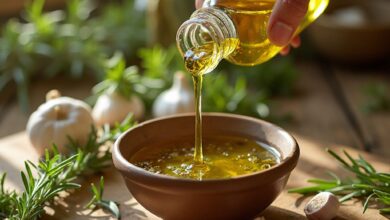
- The Olive Oil (The Emulsifier & Flavor Carrier): Binds everything together.
- Salt & Pepper (The Seasoning): To awaken all the flavors.
Exploring Your Herb Garden: Flavor Profiles & Pairing Potential
This is where your senses become your guide. Approach your herb garden or farmer’s market haul with an open mind. Taste a leaf, smell its essence, and consider its personality.
- Mint: Bright, cooling, slightly peppery. Fantastic with lamb, peas, or even fruit salads.
Pesto idea: Mint & Lemon Zest Pesto with a touch of walnuts.
- Parsley (Flat-leaf or Curly): Fresh, green, slightly peppery, vibrant. A true all-rounder. Excellent with fish, chicken, potatoes.
Pesto idea: Parsley & Pecan Pesto with a hint of chili flakes.
- Cilantro: Bold, citrusy, somewhat polarizing (love it or hate it!). A must for Mexican, Thai, and Indian dishes.
Pesto idea: Cilantro & Cashew Pesto with a squeeze of lime.
- Dill: Anise-like, fresh, slightly sweet. Perfect with salmon, potatoes, yogurt sauces.
Pesto idea: Dill & Almond Pesto, lovely on roasted vegetables.
- Arugula: Peppery, slightly bitter. Adds a wonderful bite. Great in salads, on pizza, or with steak.
Pesto idea: Arugula & Pistachio Pesto for a vibrant, zesty punch.
- Spinach: Mild, earthy, slightly sweet. A gentle giant that blends beautifully with stronger herbs.
Pesto idea: Spinach & Basil Pesto, a great way to use up wilting spinach and extend your basil.
- Oregano & Marjoram: Aromatic, earthy, pungent. Use sparingly, as they can dominate. Best with Mediterranean flavors.
Pesto idea: A small amount of oregano blended with parsley and sun-dried tomatoes for a robust flavor.
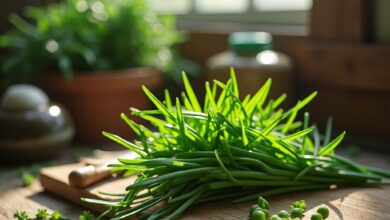
- Chives & Scallion Greens: Onion-y, fresh, delicate. Add a subtle allium kick.
Pesto idea: Chive & Walnut Pesto, wonderful on baked potatoes or eggs.
Don’t be afraid to mix and match! A base of mild spinach or parsley can be enhanced by a handful of peppery arugula or bright mint.
The Intuitive Cooking Technique: Step-by-Step Guidance
Here’s how to build your unique pesto, tasting and adjusting as you go:
- Gather Your Greens: Start with a generous amount of your chosen fresh herbs. For a small batch, think 2-3 packed cups. Wash them thoroughly and dry them well. Excess water will dilute your pesto.
- Prepare Your Nuts: About 1/4 to 1/2 cup of nuts. Pine nuts are traditional, but walnuts, almonds, pecans, cashews, or even sunflower seeds work beautifully. Lightly toast them in a dry pan for a few minutes until fragrant – this deepens their flavor significantly. Let them cool.
- Choose Your Cheese: About 1/4 to 1/2 cup, grated. Parmesan, Pecorino Romano, or a blend are classic. For a dairy-free option, nutritional yeast can add a cheesy umami.
- Garlic: 1-3 cloves, depending on your love for garlic. Start with less; you can always add more.
- Assemble in the Food Processor (or Mortar & Pestle):
- Add the garlic and nuts to your food processor first. Pulse until finely chopped.
- Add your herbs and cheese. Pulse again until everything is roughly combined and starting to form a paste.
- With the food processor running on low, slowly drizzle in good quality extra virgin olive oil. Start with about 1/4 cup and add more as needed. You’re looking for a smooth, pourable, yet still textured consistency. You might need up to 1/2 cup or more, depending on your herbs.
- Season and Taste: This is the crucial step! Add a pinch of salt and a grind of fresh black pepper. Taste. Does it need more salt? More garlic? A squeeze of lemon juice for brightness? More cheese for tang? A touch more olive oil to loosen it up? Keep tasting and adjusting until it sings.
Storage Tips: Keeping Your Green Gold Fresh
Fresh pesto is a vibrant joy, but it can oxidize quickly. To keep it at its best:
- Transfer your pesto to an airtight container.
- Pour a thin layer of extra virgin olive oil over the surface. This creates a seal, preventing air from reaching the pesto and preserving its vibrant green color.
- Store in the refrigerator for up to a week.
- For longer storage, spoon pesto into ice cube trays, freeze until solid, then transfer the cubes to a freezer-safe bag or container. These pesto pucks are perfect for dropping directly into hot pasta or soups.
Substitution Options: Embrace the Culinary Adventure
The beauty of “no-recipe” pesto is radical substitution:
- Herbs: As discussed, any tender green can be your base.
- Nuts: Pine nuts, walnuts, almonds, cashews, pecans, pistachios, sunflower seeds, pumpkin seeds.
- Cheese: Parmesan, Pecorino Romano, Asiago, Grana Padano, or nutritional yeast for dairy-free.
- Oil: While extra virgin olive oil is preferred for its flavor, a neutral oil like grapeseed can be used in a pinch, though you’ll lose some of the characteristic richness.
- Garlic: Garlic scapes or roasted garlic for a milder flavor.
- Add-ins: Sun-dried tomatoes, roasted red peppers, a squeeze of lemon or lime juice, a pinch of chili flakes, a spoonful of white miso paste for extra umami.
Expert Insider Tips from the Herb-Lover’s Kitchen
- Blanch for Brilliance: For incredibly vibrant green pesto, especially with delicate herbs like basil or spinach that can oxidize quickly, quickly blanch them in boiling water for 10-15 seconds, then immediately plunge into an ice bath. Squeeze out all excess water before processing. This sets the chlorophyll and enhances color.
- Toast Your Nuts (and Seeds!): Don’t skip this step! A quick toast in a dry pan over medium heat until fragrant (about 3-5 minutes) dramatically amplifies the nutty flavor and aroma. This applies to any nut or seed you choose – from Burpee Seeds if you’re growing your own, or high-quality nuts from Frontier Co-op.
- The Mortar & Pestle Advantage: While a food processor is convenient, a traditional mortar and pestle (like the beautiful ones from Mountain Rose Herbs) truly “bruises” the herbs, releasing their essential oils more intensely than a blade. The result is a pesto with a deeper, more nuanced flavor and a wonderfully rustic texture. It’s a meditative process worth trying!
- Balance with Brightness: A squeeze of fresh lemon juice is often the secret ingredient that elevates a good pesto to a great one. It cuts through the richness, brightens the flavors, and prevents the pesto from tasting flat. Add it at the end, taste, and adjust.
- Layer Your Greens: If you have a bounty of different herbs, don’t feel limited to one. Combine a mild base (like parsley or spinach) with a more assertive herb (like mint, cilantro, or a touch of oregano) for a complex, multi-dimensional flavor profile that’s truly unique.
Health and Wellness Benefits: A Burst of Nature’s Goodness
Beyond its incredible flavor, fresh, homemade pesto is a powerhouse of natural goodness. Each ingredient contributes to your well-being:
- Fresh Herbs: Packed with antioxidants, vitamins (like Vitamin K from basil and parsley), and minerals. They offer natural anti-inflammatory properties and support overall vitality. The specific benefits vary by herb, from mint’s digestive aid to cilantro’s potential detoxifying qualities.
- Extra Virgin Olive Oil: A cornerstone of the Mediterranean diet, it’s rich in monounsaturated fats, which are heart-healthy and help reduce inflammation. Look for high-quality, cold-pressed olive oil for maximum benefits.
- Nuts: Provide healthy fats, protein, fiber, and essential minerals like magnesium and zinc. They contribute to satiety and support brain health.
- Garlic: Renowned for its immune-boosting and cardiovascular benefits, garlic is a potent medicinal food with a long history of traditional use.
- Cheese (in moderation): A source of calcium and protein.
By making your own pesto, you control the quality of ingredients, avoiding unnecessary additives and preservatives often found in store-bought versions. It’s a simple, delicious way to infuse your diet with fresh, wholesome nutrition.
Common Mistakes to Avoid on Your Pesto Journey
- Over-Processing: Pulsing is key! Don’t let your food processor run continuously, or you’ll end up with a smooth, warm purée instead of a vibrant, textured pesto. Over-processing also introduces air, leading to faster oxidation and a duller color.
- Using Bitter Olive Oil: The quality of your olive oil truly shines through. Avoid cheap, bitter olive oils, as they can ruin the delicate balance of flavors. Invest in a good quality extra virgin olive oil.
- Forgetting to Taste and Adjust: This is