Why Licorice Root Tea Is the Sweetest and Most Soothing Herbal Drink


Imagine a taste that’s both deeply familiar and exquisitely unique—a sweetness that lingers on the palate not with a sugary rush, but with an earthy, almost woody depth. It’s a flavor that has captivated humanity for millennia, gracing ancient remedies and modern confections alike. I’m talking about licorice root, and if you’ve only encountered it in candy form, prepare to have your world, and your teacup, deliciously expanded. Today, we’re diving deep into why licorice root tea isn’t just a sweet indulgence, but arguably the most soothing herbal drink you can welcome into your daily ritual.
The Ancient Sweetness: A Journey Through Time with Licorice Root
Before sugar became widely accessible, before artificial sweeteners even glimmered as a concept, nature offered its own profound sweetness in the form of roots, fruits, and leaves. Among these, Glycyrrhiza glabra, commonly known as licorice root, stands as a titan. Its story is as rich and complex as its flavor, stretching back thousands of years across continents and cultures.
A Root with Royal Connections and Global Reach
The history of licorice root is a testament to its enduring power and appeal. Fragments of licorice root were discovered in the tomb of King Tutankhamun, suggesting its esteemed status in ancient Egypt, where it was likely used for its medicinal properties and as a refreshing beverage. Fast forward to ancient China, and you’ll find licorice, or Gancao (sweet grass), revered as a harmonizer in Traditional Chinese Medicine (TCM), often used to balance the effects of other herbs and to strengthen qi. In Ayurvedic medicine, it’s known as Yashtimadhu, prized for its ability to soothe inflammation and support the respiratory system.
The Romans and Greeks also recognized its value, carrying it across their empires for its purported ability to quench thirst and treat various ailments. From ancient apothecaries to medieval monasteries, licorice root journeyed through history, cementing its place not just as a sweetener, but as a formidable botanical ally. Today, its legacy continues, with licorice root extracts and teas enjoyed globally for both their delightful taste and their profound wellness benefits.
Brewing Bliss: Your Guide to the Sweetest & Most Soothing Herbal Tea
Crafting a cup of licorice root tea is an act of simple alchemy, transforming dried root into a golden, aromatic elixir. It’s a moment of calm, a sensory invitation to slow down and savor nature’s generosity.
The Art of the Perfect Licorice Infusion
Brewing licorice root tea is straightforward, but a few precise steps will ensure you extract its full, glorious flavor and therapeutic compounds.
-
Ingredients:
-
1-2 teaspoons of dried, cut and sifted licorice root (I always recommend sourcing high-quality organic roots from trusted suppliers like Mountain Rose Herbs or Frontier Co-op for their potency and purity).
-
8-10 ounces of fresh, filtered water.
-
-
Instructions:
-
Bring your water to a rolling boil.
-
Place the dried licorice root in a tea infuser, French press, or directly into your mug.
-
Pour the hot water over the root.
-
Steep for 5-10 minutes. For a stronger, more pronounced flavor and deeper medicinal benefit, you can even simmer the root gently for 15-20 minutes in a saucepan (this is known as a decoction, excellent for roots and barks).
-
Strain out the root pieces and enjoy.
-
-
Serving Suggestions: Licorice tea is wonderfully sweet on its own, often requiring no additional sweetener. However, a squeeze of lemon can brighten its profile, or a touch of raw honey can add another layer of soothing warmth. It’s delightful both piping hot on a chilly evening or cooled and served over ice for a refreshing summer sip.
Flavor Combinations: Blending for Brilliance
While licorice root tea is magnificent solo, its unique sweetness makes it an incredible base for herbal blends. Its harmonizing quality allows it to beautifully complement a wide array of flavors, creating synergistic sips that tantalize the taste buds and enhance wellness.
-
Minty Sweetness: Combine licorice root with peppermint or spearmint for a digestive powerhouse that’s both invigorating and soothing. Brands like Yogi Tea often feature licorice in their digestive blends for this very reason.
-
Spiced Comfort: Add a pinch of cinnamon stick (from Simply Organic, perhaps?) and a thin slice of fresh ginger for a warming, immune-boosting, and incredibly fragrant chai-like experience without the caffeine.
-
Calming Harmony: Blend with chamomile or lemon balm for an ultimate evening relaxant. The licorice adds a grounding sweetness to the floral notes of chamomile.
-
Fennel & Anise: For those who truly adore the “licorice” flavor spectrum, adding a few fennel seeds or a star anise pod will amplify that characteristic taste profile, creating a truly aromatic brew.
Hot or Cold: Versatility in Every Season
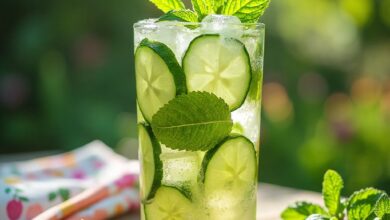
Licorice root tea shines in all temperatures. Enjoy it as a traditional hot infusion, a comforting embrace on a cold day, or as a refreshing iced tea. To make an iced version, simply brew a stronger concentrate, let it cool, and pour over ice. You can even make a sun tea by placing the root and water in a clear jar in direct sunlight for a few hours, allowing the sun’s gentle warmth to infuse the water with the root’s essence.
Expert Insider Tips from Your Herbalist Friend
After a decade of brewing, blending, and writing about herbs, I’ve picked up a few nuances that can elevate your licorice root experience from good to truly exceptional.
-
Decoction for Depth: For maximum flavor and medicinal benefits, especially from the woody root, don’t just steep—decoct! Simmering the root for 15-20 minutes extracts a richer, more potent brew. This is particularly true if you’re using whole, unprocessed root pieces.
-
The “Sweetener” Secret: If you’re looking to reduce sugar in your diet, licorice root is your unsung hero. Its natural sweetness can sweeten other less palatable herbal teas (like bitter roots or strong greens) without adding calories or impacting blood sugar levels significantly. Think of it as nature’s zero-calorie sweetener for your herbal blends.
-
Synergy is Key: Licorice root is famous for its “harmonizing” properties in Traditional Chinese Medicine. This means it can enhance the actions of other herbs while also mellowing out any harsh tastes or side effects. Always consider adding a pinch to your custom blends for balance and enhanced efficacy.
-
Quality Matters Immensely: Because licorice root is so potent, choosing certified organic and ethically sourced root is crucial. Contaminants or poor-quality root can diminish both the flavor and the therapeutic benefits. Brands like Mountain Rose Herbs and Frontier Co-op are my go-to for bulk, high-quality herbs.
-
Listen to Your Body: While delicious and beneficial, licorice root is potent. Pay attention to how your body responds, especially if you’re new to it. A little goes a long way, and consistency over high dosage is often more effective.
The Sweet Science: Health and Wellness Benefits of Licorice Root
Beyond its delightful taste, licorice root has a profound reputation in traditional medicine systems worldwide, a reputation increasingly supported by modern scientific research. Its primary active compound, glycyrrhizin, is responsible for much of its characteristic sweetness and therapeutic effects.
A Soothing Balm for Body and Soul
-
Digestive Support: Licorice root is a renowned demulcent, meaning it forms a soothing, protective gel-like coating on mucous membranes. This makes it incredibly beneficial for an irritated digestive tract, helping to calm acid reflux, heartburn, and inflammation. It can be a true balm for a grumpy gut, which is why you’ll often find it in digestive teas from brands like Yogi Tea.
-
Respiratory Relief: Got a cough or sore throat? Licorice root is a traditional go-to. Its expectorant properties help loosen and expel mucus, while its demulcent action soothes irritated throats and bronchial passages. It’s like a warm, sweet hug for your airways.
-
Adrenal Support & Stress Adaptation: In certain contexts, licorice root has been used to support the adrenal glands, helping the body adapt to stress. Glycyrrhizin can influence cortisol metabolism, which can be beneficial during periods of prolonged stress. However, this particular benefit comes with important caveats, which we’ll discuss in the safety section.
-
Anti-inflammatory and Antioxidant Power: Licorice root contains flavonoids and other compounds that exhibit significant anti-inflammatory and antioxidant properties, helping to protect cells from damage and reduce inflammation throughout the body.
-
Immune System Support: Some research suggests licorice root may have antiviral and antimicrobial properties, making it a valuable ally during cold and flu season. Its ability to soothe and support the body’s natural defenses is truly remarkable.
Common Mistakes to Avoid When Embracing Licorice Root Tea
Even with such a benevolent herb, there are a few pitfalls beginners often encounter. Steering clear of these will ensure your licorice journey is smooth and sweet.
-
Over-steeping: While a longer steep or decoction is often good, licorice root can become overwhelmingly strong or even slightly bitter if left too long, particularly with cut and sifted pieces. Experiment to find your perfect balance.
-
Confusing Candy with Root: Remember, many “licorice” candies are flavored with anise, not true licorice root (Glycyrrhiza glabra). While anise is also a wonderful herb, it has a different set of benefits and a distinct flavor profile. Make sure you’re buying the actual root for its therapeutic properties.
-
Ignoring Quality: As mentioned, cheap or old licorice root won’t deliver the same flavor or benefits. Invest in fresh, organic root from reputable sources. You’ll taste and feel the difference.
-
Disregarding Precautions: This is perhaps the most crucial mistake. Licorice root is powerful, and like all powerful plant medicines, it comes with considerations. Always be aware of who should avoid it and potential interactions.
Safety First: Important Precautions and Considerations
While licorice root is a cherished herbal ally, its potency means it’s not suitable for everyone, and it should always be used mindfully.
-
High Blood Pressure: The glycyrrhizin in licorice root can, for some individuals, lead to an increase in blood pressure and a decrease in potassium levels. If you have high blood pressure or a history of heart conditions, it’s crucial to consult your doctor before consuming licorice root tea regularly.
-
Pregnancy and Breastfeeding: Due to its hormonal effects and potential impact on blood pressure and potassium, licorice root is generally not recommended during pregnancy or while breastfeeding.
-
Medication Interactions: Licorice root can interact with several medications, including diuretics, corticosteroids, blood thinners, and certain heart medications. Always discuss licorice root use with your healthcare provider if you are taking any prescription drugs.
-
Potassium Levels: As mentioned, licorice can lower potassium levels, which can be particularly concerning for individuals with kidney disease or those taking medications that also affect potassium.