

Introduction
Fresh herbs add flavor, color, and aroma to food. But they often spoil quickly, especially if you buy them in bunches or grow them at home. Many beginners feel frustrated when herbs wilt or go bad before they can be used.
Learning simple herb preservation methods helps you save money and reduce waste. It also makes cooking easier because preserved herbs are always ready when you need them. This article explains easy, beginner-friendly ways anyone can use to preserve herbs at home.
What This Topic Means (Simple Explanation)
Herb preservation means keeping herbs fresh or usable for a longer time. Instead of throwing herbs away when they start to wilt, you store them using simple methods.
Preserved herbs can be:
- Dried
- Frozen
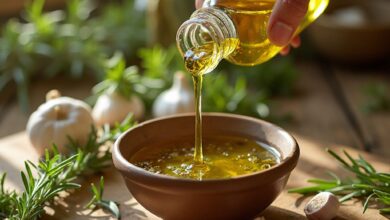
- Stored in oil
- Kept fresh for a short time in the fridge

The goal is to keep the flavor and usefulness of herbs so you can enjoy them later in cooking, drinks, or everyday meals.
Why This Is Important
Understanding herb preservation is useful for many reasons.
First, it reduces food waste. Herbs are often thrown away unused. Preservation helps you use every leaf.
Second, it saves money. Preserved herbs mean fewer trips to the store and less waste.
Third, it makes cooking more convenient. When herbs are already preserved, you can add flavor to meals quickly.
Fourth, herb preservation is helpful for gardeners. If you grow herbs, preservation allows you to enjoy them long after harvest.
Finally, preserved herbs help beginners feel more confident in the kitchen. You always have flavor ready to use.
Common Types or Examples
There are several simple herb preservation methods. Each one works best for different types of herbs.
Soft Herbs
These herbs have tender leaves and high moisture.
Examples include:
- Basil
- Parsley
- Cilantro
- Mint
- Dill
- Chives
Soft herbs are best preserved by freezing or short-term refrigeration.
Hardy Herbs
These herbs have tougher leaves and stronger structure.
Examples include:
- Rosemary
- Thyme
- Oregano
- Sage
- Bay leaf
Hardy herbs work well for drying and long-term storage.
How to Use or Apply This in Daily Life
Below are simple herb preservation methods anyone can use at home. No special equipment is required.
Method 1: Refrigerating Fresh Herbs (Short-Term Storage)
This method is best when you plan to use herbs within a few days.
How to do it:
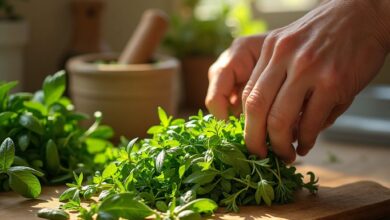
- Gently rinse herbs with water.
- Shake off excess water and pat dry.
- Wrap loosely in a paper towel.
- Place inside a container or bag.
- Store in the refrigerator.
Best for:
- Parsley
- Cilantro
- Dill
- Mint
This keeps herbs fresh for several days.
Method 2: Air Drying Herbs
Air drying is one of the oldest and easiest preservation methods.
How to do it:
- Rinse herbs and dry them fully.
- Tie small bundles with string.
- Hang upside down in a dry, airy place.
- Leave until fully dry.
- Remove leaves and store in containers.
Best for:
- Rosemary
- Thyme
- Oregano
- Sage
Dried herbs are great for cooking and long-term storage.
Method 3: Oven Drying Herbs
This is faster than air drying and works well in small spaces.
How to do it:
- Preheat oven to very low heat.
- Spread herbs on a baking tray.
- Place in oven with door slightly open.
- Check often to prevent burning.
- Remove when fully dry and crumbly.
Best for:
- Hardy herbs
- Small batches
Method 4: Freezing Herbs
Freezing keeps herbs close to their fresh flavor.
How to do it:
- Wash and dry herbs.
- Chop if desired.
- Place in freezer-safe containers or trays.
- Freeze until solid.
- Store frozen until needed.
Best for:
- Basil
- Parsley
- Cilantro
- Chives
- Dill
Frozen herbs work well in cooked dishes.
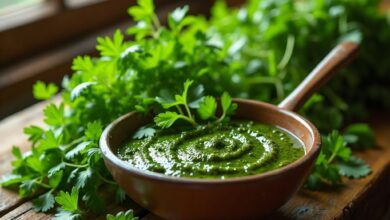
Method 5: Freezing Herbs in Oil
This method is great for cooking convenience.
How to do it:
- Chop clean herbs.
- Place into ice cube trays.
- Cover with oil.
- Freeze until solid.
- Transfer cubes to storage bags.
Best for:
- Basil
- Rosemary
- Thyme
- Oregano
These cubes can be added directly to hot dishes.
Method 6: Storing Herbs in Oil (Refrigerated)
This method preserves herbs for short periods.
How to do it:
- Place clean, dry herbs in a jar.
- Cover fully with oil.
- Seal tightly.
- Store in the refrigerator.
Best for:
- Rosemary
- Thyme
- Garlic-herb mixes
Use within a short time for best quality.
Method 7: Herb Butter (Optional Use)
Herb butter is another simple way to preserve herbs.
How to do it:
- Mix chopped herbs with softened butter.
- Shape or store in containers.
- Refrigerate or freeze.
Best for:
- Parsley
- Chives
- Dill
- Basil
Herb butter adds quick flavor to meals.
Tips for Beginners
These simple tips make herb preservation easier and more successful.
- Always dry herbs well before preserving.
- Start with small batches.
- Label containers with herb name and date.
- Store dried herbs away from heat and light.
- Use clean tools and containers.
- Preserve herbs soon after buying or harvesting.
- Choose one method at a time to learn slowly.
Common Mistakes to Avoid
Avoiding these mistakes helps keep herbs fresh and flavorful.
Storing Wet Herbs
Moisture causes spoilage. Always dry herbs properly.
Using High Heat When Drying
Too much heat reduces flavor and color.
Overcrowding Herbs
Herbs need space to dry or freeze evenly.
Poor Storage Containers
Air and light reduce quality. Use sealed containers.
Forgetting to Label
Unlabeled herbs cause confusion later.
Safety and Usage Notes
Herb preservation should always be done carefully.
- Wash herbs before preserving.
- Use clean, dry containers.
- Store preserved herbs properly.
- Discard herbs with unusual smell or appearance.
- Use herbs for cooking purposes only.
- Avoid preserving unknown plants.
This information is educational and focused on everyday kitchen use.
Frequently Asked Questions (FAQs)
Which herb preservation method is best?
It depends on the herb. Soft herbs freeze well. Hardy herbs dry well.
How long do dried herbs last?
Most dried herbs keep good flavor for about one year when stored properly.
Can I preserve herbs without special tools?
Yes. Most methods only need basic kitchen items.
Do frozen herbs taste the same as fresh?
Frozen herbs keep much of their flavor but are best for cooked dishes.
Should I wash herbs before preserving?
Yes. Always wash and dry herbs before preserving.
Can I mix different herbs together?
It is better to preserve herbs separately for easier use later.
Conclusion
Simple herb preservation methods make cooking easier, cheaper, and more enjoyable. Whether you dry, freeze, or refrigerate herbs, each method helps extend their usefulness and reduce waste.
For beginners, the best approach is to start small. Choose one method and a few herbs, then practice. Over time, preserving herbs will feel natural and rewarding. With these simple techniques, anyone can enjoy flavorful herbs long after they are harvested or purchased.