
Introduction
Digestion is a daily process that affects how comfortable and energized we feel. Many people look for gentle, natural ways to support digestion through everyday habits, including food choices. Herbs have been used in traditional cooking and drinks for generations, often valued for how they interact with the digestive system.
For beginners, it can be confusing to know which herbs are commonly linked with digestion and how they are used in daily life. This article explains the best herbs that support healthy digestion naturally in a clear, educational, and beginner-friendly way.
What This Topic Means (Simple Explanation)
Herbs that support healthy digestion are herbs traditionally used in cooking or drinks that are known for being gentle on the stomach and digestive system.
In simple terms:
- These herbs are often added to meals or teas
- They may help the body feel more comfortable after eating
- They are used as part of normal diets, not as medicine
This article focuses on common culinary and everyday herbs, not treatments or medical advice.
Why This Is Important
Understanding digestion-supporting herbs is useful for everyday life.
First, it helps you make better food choices. Some herbs are easier on the stomach than others.
Second, it improves meal enjoyment. Balanced herbs can make meals feel lighter and more pleasant.
Third, it encourages mindful eating. Paying attention to herbs helps you notice how food affects you.
Fourth, it gives beginners confidence. You can use herbs naturally in meals without complicated rules.
Finally, herbs offer simple ways to add flavor while supporting general digestive comfort.

Common Types or Examples
Below are well-known herbs commonly associated with digestive comfort. These herbs are widely used in cooking and drinks around the world.
Ginger
Ginger is one of the most widely known herbs used in relation to digestion.
Common uses:
- Herbal teas
- Cooking with vegetables and meats
- Warm drinks
Why it is popular:
- Warm, aromatic flavor
- Often used after meals
- Common in many traditional cuisines
Peppermint
Peppermint has a fresh, cooling taste.
Common uses:
- Herbal teas
- Flavoring in desserts
- Fresh leaves in drinks
Why it is popular:
- Light, refreshing flavor
- Commonly enjoyed after meals
- Easy to use fresh or dried
Fennel
Fennel has a mild, slightly sweet taste.
Common uses:
- Herbal teas
- Cooking with vegetables
- Flavoring soups
Why it is popular:
- Gentle flavor
- Traditionally used in meals and teas
- Often enjoyed after eating
Chamomile
Chamomile is a gentle herb often used in drinks.
Common uses:
- Herbal teas
- Evening beverages
Why it is popular:
- Mild, calming taste
- Often enjoyed after meals
- Widely known as a soothing drink
Coriander (Cilantro)
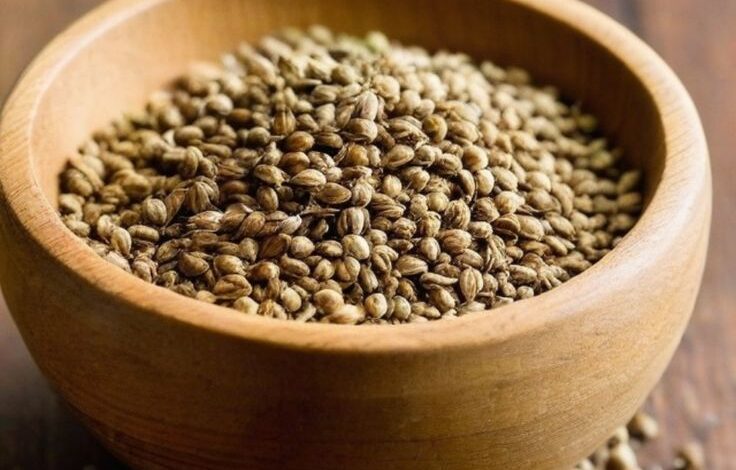
Coriander leaves and seeds are widely used in cooking.
Common uses:
- Cooking in many cuisines
- Fresh garnish
- Flavoring soups and rice dishes
Why it is popular:
- Light, fresh taste
- Common in balanced meals
- Used both fresh and dried
Basil
Basil is a fragrant culinary herb.
Common uses:
- Cooking with vegetables
- Sauces
- Fresh salads
Why it is popular:
- Mild, aromatic flavor
- Easy to digest for many people
- Used fresh in many dishes
Dill
Dill has a light, grassy flavor.
Common uses:
- Fish dishes
- Soups
- Yogurt-based sauces
Why it is popular:
- Gentle taste
- Often used in light meals
- Easy to pair with other foods
Turmeric
Turmeric is a bright yellow herb often used in cooking.
Common uses:
- Cooking with rice and vegetables
- Warm drinks
- Soups and stews
Why it is popular:
- Earthy flavor
- Common in traditional cooking
- Often used with other herbs
How to Use or Apply This in Daily Life
Using digestion-supporting herbs does not require special routines. Simple daily use works best.
Step 1: Add Herbs to Regular Meals
Use herbs as part of normal cooking.
Examples:
- Add basil to vegetables
- Use coriander in soups
- Include dill with fish
This keeps usage natural and balanced.
Step 2: Enjoy Herbal Teas
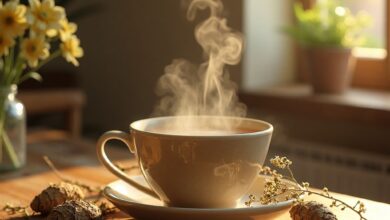
Herbal teas are a simple way to enjoy herbs.
Common options:
- Ginger tea
- Peppermint tea
- Fennel tea
- Chamomile tea
Many people enjoy these after meals.
Step 3: Use Fresh When Possible
Fresh herbs often have lighter flavor.
Tips:
- Chop herbs just before use
- Add them near the end of cooking
Step 4: Keep Portions Moderate
Herbs work best when used in normal food amounts.
- Start small
- Taste as you go
- Adjust based on preference
Step 5: Combine Herbs Thoughtfully
Simple combinations often work best.
Examples:
- Ginger and mint
- Basil and coriander
Avoid using too many herbs at once.
Tips for Beginners
These tips help beginners use herbs comfortably.
- Start with one or two herbs
- Use herbs you enjoy the taste of
- Add herbs slowly to meals
- Observe how foods make you feel
- Keep herb use part of normal meals
- Store herbs properly to maintain freshness
- Choose familiar herbs first
Common Mistakes to Avoid
Avoiding these mistakes helps keep herb use simple and enjoyable.
Using Too Much at Once
Large amounts can overpower food.
Treating Herbs Like Medicine
Herbs are part of food, not treatments.
Mixing Too Many Herbs
Too many flavors can clash.
Ignoring Personal Preferences
Not everyone enjoys the same herbs.
Using Old or Poorly Stored Herbs
Old herbs lose flavor and quality.
Safety and Usage Notes
Herbs discussed here are for normal culinary and beverage use only.
- Use herbs as part of food and drinks
- Wash fresh herbs before use
- Use herbs you can clearly identify
- Store herbs properly
- Avoid excessive amounts
- This article does not replace professional advice
The information here is educational and general in nature.
Frequently Asked Questions (FAQs)
Can herbs really help digestion?
Herbs are traditionally used to support digestive comfort when included in normal meals and drinks.
Should I use fresh or dried herbs?
Both work well. Fresh herbs are lighter, dried herbs are more concentrated.
Are herbal teas better after meals?
Many people enjoy herbal teas after eating, but it is a personal choice.
Can I use multiple digestion-supporting herbs together?
Yes, but simple combinations are best for beginners.
Do these herbs work the same for everyone?
No. Everyone responds differently to foods and herbs.
Can children or older adults use these herbs?
When used in normal food amounts, many herbs are part of everyday diets.
Conclusion
Herbs have long been part of everyday meals and drinks, valued for their flavor and gentle support of digestion. Herbs like ginger, peppermint, fennel, basil, and chamomile are commonly used around the world as part of balanced eating habits.
For beginners, the key is simplicity. Use herbs as part of normal cooking or enjoy them in light teas. Start with small amounts, focus on flavors you enjoy, and keep herb use natural and consistent. With time, these herbs can become an easy and enjoyable part of a digestion-friendly lifestyle.