

The Morning’s Green Gold: Elevating Your Breakfast with Fresh Herbs
Imagine the golden richness of scrambled eggs, the fluffy perfection of an omelet, or the comforting warmth of a breakfast hash. Now, imagine a whisper of vibrant green, a delicate fragrance that lifts the entire dish from mere sustenance to an unforgettable culinary experience. That, my friends, is the magic of fresh herbs. Did you know that a simple sprinkle of parsley can offer more vitamin K than a serving of kale, transforming your breakfast into a nutrient powerhouse without you even realizing it? It’s true! Beyond their incredible health benefits, herbs bring an unparalleled depth of flavor, a burst of color, and an intoxicating aroma that turns an ordinary morning meal into a moment of pure joy. As someone who has spent a decade exploring the profound connection between plants and plate, I can tell you there’s no easier, more rewarding way to infuse passion into your daily routine than by embracing the green wonders of your herb garden or local market.
A Heritage of Flavor: Herbs at the Heart of the Breakfast Table
Herbs have graced our tables for millennia, far beyond their role as simple garnishes. From the ancient Egyptians using parsley as a ceremonial herb to the Romans favoring dill for its digestive properties, and the medieval Europeans relying on thyme for its robust flavor and preservative qualities, these botanical treasures have woven themselves into the fabric of human culture. They were the original flavor enhancers, the first medicines, and the enduring symbols of life and vitality. While our modern world offers a dizzying array of spices and seasonings, the humble culinary herb retains a special place, especially in dishes where fresh, bright flavors are paramount. Think of the classic French omelet, almost unthinkable without a generous showering of fines herbes – a blend often featuring chives, parsley, tarragon, and chervil. This tradition isn’t just about taste; it’s about connecting with a heritage of nourishment, a celebration of simple ingredients elevated by nature’s bounty. Today, as we seek healthier, more flavorful ways to start our day, rediscovering the power of herbs in our breakfast dishes isn’t just a culinary trend; it’s a return to wholesome, delicious roots that truly matter.
Your Green Companion: The Best Herbs for Eggs and Breakfast
Let’s dive into the stars of our breakfast show – the herbs that truly shine when paired with eggs and other morning delights. Each brings its unique personality to the plate, promising to transform your breakfast routine.
Chives: The Gentle Onion Kiss
Chives are the elegant, mild-mannered cousin in the onion family. Their delicate, grassy-onion flavor is never overpowering, making them a perfect complement to the richness of eggs.
- Flavor Profile: Mild onion, fresh, slightly garlicky, green.
- Best Food Pairings: Scrambled eggs, omelets, frittatas, quiches, breakfast potatoes, cream cheese, smoked salmon bagels. They are also fantastic in a savory oatmeal.
- Cooking Techniques: Always add fresh chives at the very end of cooking or as a garnish. Heat diminishes their delicate flavor. Snip them with kitchen shears directly over your dish for the freshest taste and appearance.
- Simple Recipe Idea: Classic Chive Scramble: Whisk 2-3 eggs with a splash of milk or cream, salt, and pepper. Scramble in a buttered pan over medium heat until just set. Remove from heat and stir in 1-2 tablespoons of finely snipped fresh chives. Serve immediately.
- Storage Tips: Store fresh chives in the refrigerator, wrapped loosely in a damp paper towel and placed in a plastic bag. They’ll last about a week. You can also freeze snipped chives in a single layer on a baking sheet, then transfer to a freezer-safe bag for longer storage (though they lose some texture).
- Substitution Options: While nothing truly replaces chives, green onions (scallions) can be used, but use only the green tops and in smaller quantities due to their stronger flavor.
Parsley: The Brightening Star
Parsley, particularly the flat-leaf Italian variety, is a culinary workhorse. Its fresh, clean, slightly peppery flavor brightens any dish, making it indispensable for breakfast.
- Flavor Profile: Fresh, clean, herbaceous, slightly peppery, green.
- Best Food Pairings: Scrambled eggs, omelets, egg salads, breakfast burritos, savory pancakes, hash browns, and avocado toast. It pairs beautifully with cheese and other vegetables.
- Cooking Techniques: Add fresh, finely chopped parsley at the end of cooking or as a garnish to preserve its vibrant color and flavor. For a deeper flavor, you can add a small amount earlier in cooking, but save the bulk for a fresh finish. Flat-leaf parsley holds up better to heat than curly parsley.
- Simple Recipe Idea: Mediterranean Omelet with Parsley: Sauté diced bell peppers, onions, and spinach until tender. Whisk 3 eggs with a pinch of salt and pepper. Pour into a hot, buttered pan. Once the edges set, add the sautéed vegetables and crumbled feta cheese. Fold and cook until done. Garnish generously with fresh, chopped flat-leaf parsley before serving.
- Storage Tips: Treat parsley like a bouquet of flowers. Trim the stems, place them in a glass with about an inch of water, cover loosely with a plastic bag, and refrigerate. It can last up to two weeks this way. Dried parsley (such as Simply Organic or Frontier Co-op) is a poor substitute for fresh in breakfast dishes.
- Substitution Options: Chervil offers a similar delicate, fresh note, but is harder to find. Cilantro can work in Mexican-inspired breakfast dishes, but has a very distinct flavor profile.
Dill: The Anise-Kissed Delight
Dill offers a unique, slightly tangy, and subtly anise-like flavor that is surprisingly harmonious with eggs, especially when paired with dairy or smoked fish.
- Flavor Profile: Fresh, grassy, slightly anisy, tangy, subtly sweet.
- Best Food Pairings: Scrambled eggs, omelets with cream cheese or goat cheese, smoked salmon and scrambled eggs, potato and egg hash, gravlax, and even savory yogurt bowls.
- Cooking Techniques: Like chives and parsley, dill’s delicate flavor is best preserved by adding it at the end of cooking or as a garnish. Finely chop the fronds.
- Simple Recipe Idea: Smoked Salmon & Dill Scramble: Whisk 2-3 eggs with a splash of milk, salt, and pepper. Scramble until just set. Gently fold in a tablespoon of finely chopped fresh dill and a handful of flaked smoked salmon. Serve with a dollop of crème fraîche or cream cheese.
- Storage Tips: Store fresh dill like parsley – stems in water, covered loosely, in the refrigerator. Dried dill (often found from brands like Mountain Rose Herbs for bulk) has a much stronger, more concentrated flavor, so use sparingly as a substitute.
- Substitution Options: Fennel fronds can offer a similar anisy note, but are much stronger. Tarragon has a distinct licorice-like flavor that can also pair well with eggs, but is not a direct substitute.
Thyme: The Earthy Aromatic
While often associated with heartier savory dishes, thyme brings an earthy, subtly floral depth to breakfast items, especially those with potatoes or mushrooms.
- Flavor Profile: Earthy, woody, slightly floral, peppery, lemony (depending on variety).
- Best Food Pairings: Breakfast potatoes, mushroom omelets, savory French toast, quiches, breakfast sausages, and baked eggs. It pairs wonderfully with roasted vegetables.
- Cooking Techniques: Thyme is more robust than the other herbs mentioned and can withstand longer cooking times. Strip the tiny leaves from the woody stems. Add it early when sautéing vegetables for a hash or incorporate into egg mixtures before baking.
- Simple Recipe Idea: Thyme & Mushroom Egg Bake: Sauté sliced mushrooms and a pinch of stripped fresh thyme leaves in a pan until browned. Whisk 4 eggs with a splash of milk, salt, and pepper. Pour into a small, oven-safe dish. Top with the mushroom-thyme mixture and a sprinkle of grated Gruyère cheese. Bake at 375°F (190°C) for 15-20 minutes, or until set.
- Storage Tips: Store fresh thyme in the refrigerator wrapped in a damp paper towel and then in a plastic bag. It keeps well for 1-2 weeks. Dried thyme (available from Simply Organic or Frontier Co-op) is a good substitute for fresh, but use about 1/3 the amount as its flavor is more concentrated.
- Substitution Options: Marjoram or oregano can offer a similar earthy, savory note, but have slightly different flavor profiles.
Expert Insider Tips for Herb-Infused Breakfasts
After years in the kitchen and garden, I’ve picked up a few tricks that truly elevate herb use in breakfast:
- Layer Your Flavors: Don’t just add one herb. Combine chives and parsley for a classic, bright taste. Or pair dill with a hint of tarragon for an unexpected complexity. Think about how different herbs complement each other.
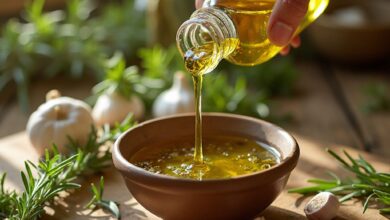
- Herb-Infused Oils: For an extra layer of flavor, make your own herb-infused olive oil. Gently warm olive oil with fresh thyme sprigs or crushed garlic and let it steep. Drizzle this over your finished eggs or toast for an aromatic boost.
- Grow Your Own: Nothing beats the flavor and convenience of fresh herbs from your own garden. Even a small windowsill pot from Burpee Seeds can provide you with a constant supply of chives or parsley. The difference in taste is profound!
- The Power of the Pinch: When tasting your dish, always add herbs in small increments. You can always add more, but you can’t take away. A final pinch of fresh herbs right before serving makes all the difference.
- Don’t Waste the Stems: For parsley and dill, the stems are packed with flavor. While you might not want them in your delicate omelet, chop them finely and add them to a breakfast hash or a stock for added depth.
Health and Wellness Benefits: Beyond Just Flavor
Beyond their delightful taste, the herbs we’ve discussed are miniature powerhouses of nutrition, offering a wealth of health benefits rooted in both traditional wisdom and modern science.
- Antioxidant Boost: Many culinary herbs, like parsley and thyme, are rich in antioxidants, compounds that help protect your cells from damage caused by free radicals, supporting overall cellular health.
- Anti-inflammatory Properties: Compounds found in herbs like dill and chives possess anti-inflammatory effects, which can contribute to reducing inflammation in the body, a key factor in many chronic diseases.
- Digestive Support: Dill has traditionally been used to aid digestion and alleviate bloating, while parsley is known for its mild diuretic properties, supporting kidney function.
- Vitamin and Mineral Rich: Parsley, in particular, is an excellent source of Vitamin K (crucial for blood clotting and bone health), Vitamin C (an immune booster), and Vitamin A (important for vision). Chives offer a good dose of Vitamin K and folate.
Incorporating these vibrant greens into your breakfast isn’t just about making your meal taste better; it’s about nourishing your body from the inside out, starting your day with a delicious dose of nature’s pharmacy.
Common Mistakes to Avoid for Herb Newbies
Even seasoned cooks make these blunders sometimes, but knowing them will set you on the path to herb mastery:
- Adding Too Early (for delicate herbs): Adding chives, parsley, or dill too early in the cooking process will cause their delicate flavors to dissipate and their vibrant color to dull. Always save them for the end!
- Using Dried Instead of Fresh (when fresh is key): While dried thyme is acceptable, dried chives, parsley, and dill are vastly inferior to their fresh counterparts for