
Introduction
Weight management is often discussed in modern health conversations, but many cultures have long used herbs as part of everyday meals, drinks, and routines connected to balance and mindful eating. These herbs were not used as quick fixes. Instead, they were included naturally in cooking, teas, and daily habits.
For beginners, it is important to understand that herbs traditionally linked to weight management are part of food culture and lifestyle, not treatments or medical solutions. This article explains these herbs in a clear, educational, and AdSense-safe way, focusing on traditional and everyday use.
What This Topic Means (Simple Explanation)
Herbs traditionally linked to weight management are plants that have historically been included in meals, drinks, or routines connected with digestion, appetite awareness, or balanced eating.
In simple terms:
- These herbs are used as food or beverages
- They are part of traditional diets and routines
- They are not medicines or weight-loss products
- They support mindful eating and balanced habits
This article focuses on cultural and culinary use, not health claims or results.
Why This Is Important
Understanding these herbs is helpful for several reasons.
First, it encourages realistic expectations. Traditional use focuses on balance, not fast changes.
Second, it helps beginners make informed food choices. Some herbs are commonly used in lighter meals or drinks.
Third, it supports mindful routines. Herbs are often used to enhance meals and reduce overeating.
Fourth, it avoids misinformation. Knowing the difference between tradition and medical claims is important.
Finally, it shows how herbs fit naturally into everyday eating patterns.
Common Types or Examples
Below are herbs commonly linked to weight management through traditional food and drink use. These herbs are widely used in kitchens around the world.
Green Tea (Traditional Beverage Use)
Green tea has a long history in daily routines.
Common uses:
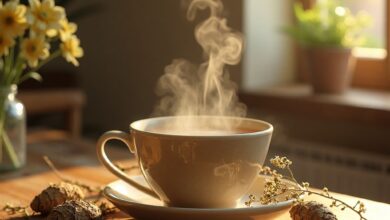
- Warm tea
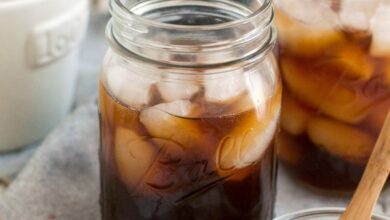
- Light brewed drinks
Why it is traditionally included:
- Often consumed between meals
- Part of mindful tea rituals
- Light, refreshing taste
Green tea is commonly enjoyed without added sugar.
Ginger
Ginger is widely used in cooking and drinks.
Common uses:
- Herbal teas
- Cooking with vegetables and grains
- Warm beverages
Why it is traditionally included:
- Warming flavor
- Often used in light meals
- Popular in balanced diets
Cinnamon
Cinnamon is a spice often used in small amounts.
Common uses:
- Herbal teas
- Flavoring drinks
- Light desserts
Why it is traditionally included:
- Naturally sweet aroma
- Helps reduce the need for added sugar
- Used sparingly in everyday cooking
Fennel
Fennel seeds and leaves are commonly used.
Common uses:
- Herbal teas
- Cooking with vegetables
- After-meal drinks
Why it is traditionally included:
- Light, pleasant flavor
- Often enjoyed after meals
- Part of mindful eating customs
Turmeric
Turmeric is a common culinary herb.
Common uses:
- Cooking with rice and vegetables
- Warm drinks
- Soups
Why it is traditionally included:
- Used in everyday cooking
- Often part of balanced meals
- Mild when combined with other foods
Dandelion (Leaf and Root – Food Use)
Dandelion has a long history as a food plant.
Common uses:
- Herbal teas
- Leafy additions to meals
Why it is traditionally included:
- Used in simple, seasonal diets
- Often part of lighter food traditions
Peppermint
Peppermint is widely used in drinks.
Common uses:
- Herbal tea
- After-meal beverages
Why it is traditionally included:
- Fresh, cooling taste
- Often enjoyed after eating
- Naturally caffeine-free
Fenugreek (Culinary Use)
Fenugreek seeds and leaves are used in cooking.
Common uses:
- Cooking with grains and vegetables
- Traditional recipes
Why it is traditionally included:
- Strong flavor encourages smaller portions
- Used in balanced, hearty meals
How to Use or Apply This in Daily Life
Traditional use of these herbs focuses on routine and moderation.
Step 1: Use Herbs as Part of Meals
Add herbs to everyday cooking rather than using them alone.
Examples:
- Ginger in soups
- Turmeric in rice
- Cinnamon in warm drinks
This keeps use natural and balanced.
Step 2: Enjoy Herbal Teas Mindfully
Herbal teas are commonly used between or after meals.
Popular choices:
- Green tea
- Peppermint tea
- Fennel tea
These are often enjoyed without sweeteners.
Step 3: Focus on Flavor, Not Results
Herbs are traditionally valued for taste and routine.
- Enjoy aroma and warmth
- Use herbs to enhance meals
- Avoid measuring success by the scale
Step 4: Keep Portions Moderate
Herbs are usually used in small amounts.
- Start light
- Taste as you go
- Avoid overuse
Step 5: Combine Herbs With Balanced Habits
Traditional use works alongside:
- Regular meals
- Hydration
- Physical activity
- Rest
Herbs support habits, not replace them.
Tips for Beginners
These tips help beginners approach this topic safely.
- Think food, not treatment
- Use herbs you already enjoy
- Keep routines simple
- Avoid mixing many herbs
- Choose unsweetened drinks
- Be consistent, not extreme
- Focus on long-term habits
Common Mistakes to Avoid
Avoid these common misunderstandings.
Expecting Herbs to Cause Weight Loss
Herbs are not weight-loss solutions.
Using Large Amounts
More herbs do not mean better results.
Skipping Meals
Herbs are part of meals, not replacements.
Believing Online Claims
Many claims exaggerate traditional use.
Ignoring Overall Diet
Herbs work within a balanced lifestyle.
Safety and Usage Notes
Herbs discussed here are for normal food and drink use only.
- Do not treat herbs as medication
- Use culinary amounts
- Avoid extreme or concentrated use
- Use herbs you can clearly identify
- This article is educational and not medical advice
If you have health concerns, consult a qualified professional.
Frequently Asked Questions (FAQs)
Do these herbs cause weight loss?
No. They are traditionally part of balanced eating habits.
Can I drink these herbal teas every day?
Many people include them regularly as part of daily routines.
Are fresh or dried herbs better?
Both are traditionally used, depending on availability.
Should I avoid sweeteners?
Traditional use often favors unsweetened drinks.
Can herbs replace diet and exercise?
No. They complement lifestyle habits.
Do these herbs work the same for everyone?
No. Experiences vary from person to person.
Conclusion
Herbs traditionally linked to weight management are best understood as part of everyday food culture, not quick solutions. Herbs like green tea, ginger, fennel, cinnamon, and turmeric have long been included in meals and drinks associated with mindful eating and balanced routines.
For beginners, the healthiest approach is simple. Use herbs for flavor, enjoy them as part of meals or teas, and focus on consistent habits. When viewed this way, herbs can support a balanced lifestyle naturally—without unrealistic expectations or exaggerated claims.