Why Passionflower Tea Is the Best Natural Remedy for Anxiety and Restlessness

Why Passionflower Tea Is the Best Natural Remedy for Anxiety and Restlessness
Imagine a bloom so intricate, so utterly captivating, that early explorers believed it held a divine secret within its petals. The Passionflower, with its ethereal beauty and complex structure, is not just a marvel to behold; it’s a profound gift from nature, offering a gentle embrace of calm in a world that often feels anything but. While its stunning flowers might draw you in, it’s the soothing, anxiolytic power of its leaves and aerial parts, steeped into a comforting tea, that truly transforms lives. For anyone navigating the choppy waters of daily stress, persistent anxiety, or the frustrating dance with restlessness, passionflower tea isn’t just an option—it’s often the most effective, gentle, and deeply satisfying answer.
A Journey Through Time: The Rich History and Cultural Significance of Passionflower
The story of Passiflora incarnata, commonly known as Maypop, Purple Passionflower, or Wild Apricot, is as rich and winding as the vines themselves. Native to the southeastern United States, Central, and South America, this remarkable plant has been cherished for centuries, long before modern science began to unravel its therapeutic compounds. Indigenous peoples, including the Cherokee, historically used passionflower for its calming properties, employing it as a mild sedative, a pain reliever, and to soothe various nervous complaints. They brewed infusions from the leaves to help with insomnia, nervousness, and even to alleviate muscle spasms.
When Spanish missionaries arrived in the Americas in the 16th century, they were struck by the flower’s unique morphology, interpreting its intricate parts as symbols of the Passion of Christ—the corona filaments representing the crown of thorns, the five stamens the five wounds, and the tendrils the whips. This profound symbolism cemented its name and its place in the European consciousness, leading to its eventual introduction into European herbal medicine. By the 19th century, passionflower had become a widely recognized botanical remedy for nervousness, insomnia, and anxiety across the Western world. Today, its legacy continues, with millions worldwide turning to this ancient ally for modern-day peace, a testament to its enduring power and cultural resonance.
Brewing Serenity: Your Guide to Passionflower Tea
Creating a cup of passionflower tea is an act of self-care, a ritual that invites tranquility into your day. Its flavor is mild, subtly earthy, and gently herbaceous, making it a wonderfully approachable tea even for those new to herbal infusions. It lacks the bitterness some other medicinal herbs possess, offering a smooth, comforting sip.
The Perfect Brew: Hot Infusion
- Measurements: For a standard 8-ounce cup, use 1 to 2 teaspoons of dried passionflower leaf and flower. If using a blend, follow the package instructions. For high-quality, sustainably sourced dried passionflower, I often turn to brands like Mountain Rose Herbs or Frontier Co-op. Their commitment to quality ensures a potent and pure brew.
- Water Temperature: Bring fresh, filtered water to a boil, then let it cool for just a minute or two (around 200°F or 93°C). This prevents scorching the delicate compounds in the herb.
- Steeping Time: Pour the hot water over the herb in your mug or teapot. Cover and steep for 7 to 10 minutes. Covering is crucial to trap the volatile oils and beneficial compounds. For a stronger effect, you can steep a little longer, but avoid going beyond 15 minutes, as some herbs can develop a slightly bitter note.
- Serving Suggestions: Strain and enjoy! Passionflower tea is lovely on its own. For a touch of sweetness, a drizzle of local honey or a splash of maple syrup complements its earthy notes beautifully. A squeeze of fresh lemon or a few mint leaves can add a bright, refreshing lift.
Cool Comfort: Iced Passionflower Tea
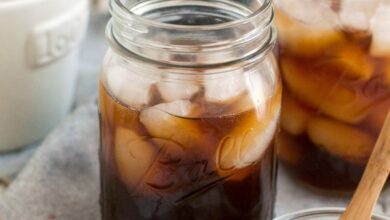
On warmer days or when you prefer a chilled beverage, iced passionflower tea is a delightful option. Simply brew a stronger concentrate using 2-3 teaspoons of dried herb per 8 ounces of hot water, steeping for 10-15 minutes. Strain, let it cool to room temperature, then pour over ice. Garnish with a slice of orange, a sprig of mint, or even a few fresh berries for a visually appealing and refreshing drink. You can even make a larger batch and store it in the refrigerator for up to 2-3 days.
Flavor Combinations to Explore
Passionflower plays well with other calming herbs, creating synergistic blends that enhance its anxiety-reducing effects:
- Chamomile & Lavender: A classic trio for deep relaxation and sleep. The floral notes of chamomile and lavender beautifully complement passionflower’s earthiness.
- Lemon Balm & Peppermint: For a refreshing and uplifting yet calming blend, perfect for daytime anxiety. Lemon balm adds a citrusy brightness, while peppermint provides a gentle invigorating touch.
- Valerian Root (with caution): For more severe insomnia, a small amount of valerian root can be added, but be mindful of valerian’s strong aroma and its more potent sedative effects.
Many pre-blended teas, like Yogi Tea’s “Stress Relief” or “Bedtime” blends, often feature passionflower alongside other nervines, offering a convenient and expertly crafted option for those seeking immediate calm. Celestial Seasonings also incorporates passionflower in some of its soothing nighttime blends.
Expert Insider Tips for the Passionflower Enthusiast
- Source for Potency: Not all dried passionflower is created equal. For maximum efficacy, always choose organic, ethically sourced dried leaf and flower. As mentioned, Mountain Rose Herbs and Frontier Co-op are excellent choices for bulk herbs that ensure freshness and potency. Avoid highly processed or very old material, as the active compounds can degrade over time.
- The Power of the Cover: When steeping, always cover your mug or teapot. The calming compounds in passionflower, particularly the flavonoids and alkaloids, are volatile. Covering traps these beneficial aromatic compounds, ensuring they infuse into your tea rather than escaping with the steam.
- Consistency is Key: While passionflower tea can offer immediate relief, its full benefits for chronic anxiety and restlessness are often best realized with consistent, daily use over a period of weeks. Think of it less as a quick fix and more as a gentle, supportive daily ritual.
- Consider a Tincture for On-the-Go: If brewing tea isn’t always feasible, a passionflower tincture can be a convenient alternative. Keep a small bottle in your bag for moments of acute stress. Just a few drops under the tongue or in a small amount of water can provide quick relief.
- Grow Your Own: If you have a garden, consider growing your own Passiflora incarnata. It’s a beautiful, vigorous vine that produces stunning flowers and edible fruits (maypops). You can harvest the young leaves and flowers for fresh tea. Just be sure it’s the correct species, as some ornamental passionflowers lack the medicinal properties.
The Science of Serenity: Health and Wellness Benefits
Passionflower has been extensively studied for its remarkable anxiolytic (anti-anxiety) and sedative properties. It works primarily by influencing gamma-aminobutyric acid (GABA) levels in the brain. GABA is a neurotransmitter that helps regulate nerve activity, and insufficient GABA can lead to feelings of anxiety, stress, and restlessness. Passionflower is thought to increase GABA, leading to a calming effect on the nervous system.
- Anxiety Relief: Numerous studies have shown passionflower to be effective in reducing symptoms of generalized anxiety disorder (GAD). It has been compared to conventional anti-anxiety medications in some trials, with fewer side effects. It helps to quiet the racing thoughts and physical tension often associated with anxiety, allowing for a greater sense of calm and clarity.
- Improved Sleep Quality: As a mild sedative, passionflower is excellent for promoting restful sleep without the grogginess associated with many pharmaceutical sleep aids. It helps shorten the time it takes to fall asleep and improves overall sleep quality, making it a wonderful ally for those struggling with insomnia or disturbed sleep patterns.
- Reduced Restlessness and Nervousness: Whether it’s fidgeting, an inability to sit still, or a general feeling of unease, passionflower can help soothe the nervous system, reducing physical and mental restlessness. This makes it particularly useful for those moments of pre-presentation jitters, exam stress, or simply unwinding after a hectic day.
- Muscle Relaxation: The calming effect on the nervous system can also translate to physical relaxation, helping to ease muscle tension and spasms, which are often exacerbated by stress and anxiety.
- Support During Withdrawal: Some preliminary research suggests passionflower may be beneficial in managing symptoms of opioid withdrawal, though more research is needed in this area.
It’s a gentle yet powerful herb that works in harmony with your body, offering a natural pathway to peace and well-being.
Common Mistakes to Avoid When Brewing Passionflower Tea
Even with such a straightforward herb, a few common missteps can diminish your passionflower tea experience:
- Not Steeping Long Enough (or too long): Too short a steep and you won’t extract enough of the beneficial compounds. Too long, and while usually not bitter, it can sometimes become overly earthy. Aim for that sweet spot of 7-10 minutes.
- Using Subpar Quality Herb: As mentioned, the quality of your dried herb significantly impacts the tea’s effectiveness. Old, dusty, or poorly stored passionflower will yield a weak, ineffective brew. Invest in a reputable brand like Mountain Rose Herbs or Frontier Co-op.
- Expecting Immediate Sedation: Passionflower is a gentle nervine, not a knockout sedative. While it can offer immediate calming effects, it won’t typically “drug” you. Its strength lies in its ability to gradually soothe and restore balance to the nervous system. Don’t expect to feel drowsy after one cup; rather, anticipate a subtle shift towards calm.
- Ignoring the Cover: Forgetting to cover your steeping tea is a common oversight that allows those precious volatile oils to escape, resulting in a less potent brew.
- Mixing with Too Many Other Herbs (at first): When first trying passionflower, enjoy it on its own to truly understand its unique effects on your body. Once you’re familiar, then experiment with synergistic blends.
Safety and Precautions: Understanding Your Body
While passionflower is generally considered safe for most adults, it’s always wise to be informed and consult with a healthcare professional, especially if you have underlying health conditions or are taking medications.
- Pregnancy and Breastfeeding: Passionflower is traditionally not recommended during pregnancy or breastfeeding due to insufficient research on its effects on fetal development or infants. Always err on the side of caution.
- Medication Interactions: Because passionflower has sedative properties, it can potentially enhance the effects of other sedatives, including prescription anti-anxiety medications (benzodiazepines), antidepressants, antihistamines, and alcohol. This can lead to excessive drowsiness or impaired coordination. Discuss with your doctor if you are on any such medications.
- Surgery: Due to its sedative effects, it’s generally advised to discontinue passionflower at least two weeks before any scheduled surgery, as it may interact with anesthesia.
- Driving and Operating Machinery: If you’re new to passionflower tea, gauge its effects on you before driving or operating heavy machinery, as it can cause drowsiness in some individuals.
Listen to your body. If you experience any unusual or adverse reactions, discontinue use and consult a healthcare provider.
Embrace the Calm: Your Invitation to Passionflower’s Gentle Power
In a world that constantly pulls us in a thousand directions, leaving us feeling frayed and overwhelmed, the simple act of brewing a cup of passionflower tea is a powerful reclamation of peace. It’s a reminder that nature holds profound wisdom and gentle remedies for our modern ailments. From its captivating bloom to its scientifically supported ability to calm the nervous system, passionflower stands out as a truly exceptional ally against anxiety and restlessness.
So, I invite you, with all the passion and expertise I’ve gathered over a decade in the world of herbs, to experience this gentle marvel for yourself. Seek out a high-quality, organic dried passionflower from a trusted source like Mountain Rose Herbs or Frontier Co-op. Take a moment, follow the simple brewing steps, and allow the subtle aroma and comforting warmth to wash over you. Let the ancient wisdom of this beautiful plant guide you toward a deeper sense of calm, a more restful