Why Growing Your Own Herbs Saves You More Money Than You Would Expect

Why Growing Your Own Herbs Saves You More Money Than You Would Expect
Imagine this: You’re whipping up a vibrant pasta primavera, and the recipe calls for a generous handful of fresh basil. You head to the grocery store, grab that small, plastic clam-shell of bright green leaves, and wince a little at the price tag. Five dollars? For a few sprigs that might wilt before you even finish your dish? Or perhaps you’re reaching for a cup of soothing chamomile tea after a long day, picking up a box of your favorite brand, like Yogi Tea or Celestial Seasonings, and thinking about the recurring cost. What if I told you that the secret to enjoying an abundance of fresh, aromatic herbs – for cooking, for brewing, and for your well-being – without breaking the bank, lies just outside your door, or even on your windowsill?
Growing your own herbs isn’t just a delightful hobby; it’s a surprisingly powerful money-saving strategy that goes far beyond the initial cost of a seed packet. As an herbalist, culinary writer, and wellness blogger with a decade of experience, I’ve seen firsthand how cultivating these botanical treasures transforms kitchens, gardens, and budgets. Let’s dig in and discover the true economic magic of homegrown herbs!
The Ancient Roots of Our Herbal Connection
Our relationship with herbs is as old as humanity itself. From the earliest civilizations, herbs weren’t just decorative plants; they were vital components of survival, medicine, and spiritual practice. The ancient Egyptians used mint and thyme for embalming and flavoring, while the Greeks and Romans meticulously documented the medicinal properties of plants like rosemary and sage. In traditional Chinese medicine and Ayurveda, the intricate knowledge of herbs has been passed down through millennia, forming the backbone of holistic health. Medieval monasteries cultivated elaborate herb gardens, serving as pharmacies and culinary hubs. Indigenous cultures across the globe revered plants, understanding their deep connection to the earth and their profound power to nourish and heal.
Today, in our fast-paced, modern world, this ancient wisdom still resonates. Herbs connect us to our heritage, to the rhythm of nature, and to a more mindful way of living. They are the silent, verdant threads that weave through global cuisines, offering vibrant flavors, enchanting aromas, and a touch of the wild to our everyday lives. But beyond their cultural and historical significance, the act of growing them yourself brings a tangible, modern benefit: remarkable savings.
Cultivating Culinary & Wellness Savings: A Deep Dive
The financial benefits of growing your own herbs are multifaceted, extending from your grocery budget to your wellness routine. Let’s break down how this simple act translates into significant savings.
The Culinary Advantage: Flavor, Freshness, and Funds
Think about the difference between a dried herb from a jar and a fresh sprig plucked moments before use. The vibrant oils, the intense aroma, the nuanced flavor – there’s simply no comparison. When you grow your own, you have an endless supply of peak-freshness herbs, elevating every dish you create.
- Flavor Profiles & Food Pairings: Imagine fresh basil brightening a Caprese salad or homemade pesto, rosemary infusing roasted potatoes, or thyme enhancing a hearty chicken stew. These are more than just garnishes; they are flavor powerhouses. With homegrown herbs, you can experiment with varieties you might never find at the store, like lemon basil or variegated sage, opening up a world of culinary creativity without the premium price tag.
- Cooking Techniques: Fresh herbs are incredibly versatile. You can chiffonade basil for delicate salads, finely chop parsley for tabbouleh, bruise mint for mojitos, or infuse olive oil with rosemary for a gourmet touch. Having them readily available encourages you to incorporate them more generously into your cooking, reducing reliance on more expensive flavor enhancers or pre-made sauces.
- Storage Tips: Don’t let your bounty go to waste! Excess herbs can be easily preserved, further extending your savings.
- Drying: Hang bundles of herbs like oregano, thyme, or rosemary in a cool, dark, well-ventilated area until crisp. Once dry, crumble and store in airtight jars. This homemade dried herb supply will far surpass the quality and cost of store-bought options like Simply Organic or Frontier Co-op.
- Freezing: Chop tender herbs like parsley, cilantro, or chives and freeze them in ice cube trays with a little water or olive oil. Pop out a cube whenever you need a burst of fresh flavor in soups, stews, or sauces.
- Herb Butters & Oils: Blend finely chopped herbs into softened butter or infuse them into olive oil for flavorful spreads and cooking oils.
- Substitution Options: With a diverse herb garden, you’ll rarely be caught without a crucial ingredient. Need cilantro but only have parsley? While not identical, they can sometimes stand in for each other in a pinch. Growing a variety gives you flexibility and reduces last-minute grocery runs for a single, expensive herb.
The Green Thumb’s Gold Mine: Gardening for Growth and Gaining
This is where the real economic magic happens. The initial investment in seeds or a few starter plants quickly pays for itself many times over.
- Soil Requirements: Most herbs prefer well-draining soil. For containers, a good quality organic potting mix is key. I often recommend enriching your soil with a bit of compost or a balanced organic fertilizer like those from Miracle-Gro (their organic line is great for herbs) to ensure robust growth.
- Sunlight Needs: The vast majority of culinary herbs are sun worshippers, needing at least 6 hours of direct sunlight per day. Think basil, rosemary, thyme, oregano, and lavender. Mint and parsley can tolerate a bit more shade, making them good choices for slightly less sunny spots.
- Watering Schedule: Herbs generally prefer to dry out slightly between waterings. Overwatering is a common killer! Stick your finger an inch or two into the soil; if it feels dry, it’s time to water. Containers dry out faster than garden beds, so check them more frequently.
- Container vs. Ground Growing:
- Containers: Perfect for beginners, small spaces, or renters. Many herbs like basil, mint (which can be invasive in the ground!), chives, and even small rosemary bushes thrive in pots. Choose pots with drainage holes!
- Ground Growing: If you have garden space, planting directly in the ground allows herbs to develop larger root systems and often grow more vigorously. Just be mindful of spacing.
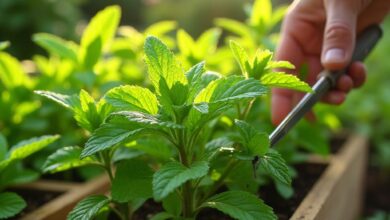
- Harvesting Techniques: The more you harvest, the more your herbs will produce! This is crucial for continuous savings.
- For bushy herbs like basil and mint, pinch off the top sets of leaves just above a node (where two leaves emerge). This encourages the plant to branch out.
- For leafy herbs like parsley and cilantro, harvest outer leaves from the base of the plant.
- For woody herbs like rosemary and thyme, snip off sprigs as needed, making sure not to remove more than a third of the plant at once.
- Pest Control: Healthy plants are less susceptible to pests. If issues arise, natural solutions are cost-effective:
- Neem Oil: A natural insecticide.
- Insecticidal Soap: Easy to make with a few drops of dish soap and water.
- Companion Planting: Marigolds near basil can deter pests, for example.
- Manual Removal: Hand-picking larger pests.
- Propagation Methods: Extend your savings indefinitely!
- Seeds: Buying a packet of seeds from a reputable company like Burpee Seeds costs a few dollars and can yield dozens of plants.
- Cuttings: Many herbs (rosemary, mint, basil, sage) can be easily rooted from cuttings in a glass of water or moist potting mix. Free plants!
- Division: Perennial herbs like chives or oregano can be divided every few years, giving you more plants to share or spread.
Brewing Bliss: Herbal Teas for Pennies
The cost of a box of premium herbal tea can add up, especially if you enjoy several cups a day. Imagine brewing a calming cup of fresh mint tea, a soothing chamomile infusion, or a zesty lemon balm delight, all from your own garden. The savings are substantial.
- Brewing Instructions:
- Fresh Herbs: For a single cup, use 1-2 tablespoons of fresh, chopped herbs. Place in a mug, pour 8-10 oz of hot water over them, cover (to keep the volatile oils from escaping), and steep for 5-10 minutes. Strain and enjoy.
- Dried Herbs: Use 1-2 teaspoons of dried herbs per cup.
- Flavor Combinations: Experiment! Combine peppermint and lemon balm for a refreshing blend, chamomile and lavender for a calming nightcap, or ginger and mint for a digestive aid.
- Hot and Cold Variations: Enjoy your homegrown teas hot in winter or brew them strong, then chill for iced teas in summer. Add a slice of lemon or a drizzle of honey for extra flavor.
Expert Insider Tips from an Herbalist’s Garden
After years of cultivating, cooking, and creating with herbs, I’ve gathered a few nuggets of wisdom that go beyond the basics:
- The “Pinch to Grow Bushy” Mantra: This isn’t just a suggestion; it’s a command for prolific growth! Regularly pinching back the top growth of herbs like basil, mint, and oregano encourages lateral branching, leading to denser, more productive plants and delaying flowering.
- Succession Planting is Your Superpower: For annuals like basil, cilantro, and dill, plant small batches of seeds every 2-3 weeks during their growing season. This ensures a continuous harvest rather than a single, overwhelming flush.
- Don’t Be Afraid to Let Some Go to Seed: While pinching back prolongs harvest, allowing a few plants (especially cilantro, dill, or calendula) to go to seed at the end of their cycle provides you with free seeds for next year, further cementing your savings. Plus, the flowers attract beneficial pollinators!
- The Power of the Herb Spiral: If you have a bit of space, consider building an herb spiral. This clever design maximizes growing area, creates microclimates (dryer at the top for rosemary/thyme, moister at the bottom for mint/parsley), and is incredibly efficient for water use.
- Create Your Own Signature Herb Blends: Why buy expensive pre-mixed spice blends when you can create your own unique concoctions from your garden? Dry individual herbs, then blend them for Italian seasoning, herbes de Provence, or a custom poultry rub. This is where the savings truly become gourmet!
Health and Wellness Benefits Beyond the Wallet
While the financial savings are compelling, the health and wellness benefits of growing and consuming your own herbs are equally profound. The act of gardening itself is a therapeutic practice, reducing stress, improving mood, and connecting us with nature. Beyond the garden, the herbs themselves offer a bounty of natural health support:
- Digestive Support: Peppermint and ginger are renowned for soothing upset stomachs.
- Immune Boost: Thyme and oregano are packed with antioxidants and antimicrobial