
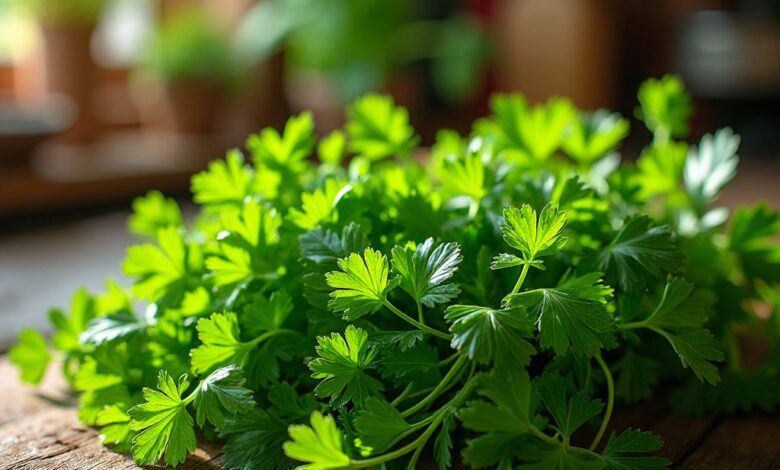
Beyond the Garnish: Unleashing the Culinary & Wellness Power of Fresh Parsley
Picture this: a vibrant green sprig, delicately placed on your plate, a final flourish to an already beautiful dish. For years, parsley has been relegated to the role of a mere decoration, an afterthought in the culinary world. But what if I told you that this humble herb, often overlooked, is a powerhouse of flavor, nutrition, and ancient wisdom, just waiting to be truly discovered? What if that bright, clean, slightly peppery aroma could transform your everyday cooking into something extraordinary, and even boost your well-being?
As an herbalist and culinary writer, I’ve spent a decade delving into the secrets of plants, and few have surprised and delighted me as much as fresh parsley. It’s time to pull parsley from the sidelines and let it shine as the culinary star it was always meant to be.
A Journey Through Time: Parsley’s Rich History and Cultural Roots
Parsley, or Petroselinum crispum, is far more than just a modern garnish. Its story stretches back thousands of years, originating in the sun-drenched Mediterranean region, where it was first cultivated. The ancient Greeks held parsley in high esteem, not for its culinary prowess, but for its symbolic significance. They wove it into wreaths to crown victors at athletic games and adorned tombs with it, believing it to be a sacred plant connected to life and death.
The Romans, ever practical, began to appreciate parsley for its more earthly benefits. They used it as a breath freshener after lavish feasts and incorporated it into various dishes, recognizing its ability to enhance flavors. From there, parsley journeyed across Europe, becoming a staple in medieval gardens, valued for both its perceived medicinal properties and its ability to mask strong flavors in an era before refrigeration.
Today, parsley remains a cornerstone in cuisines worldwide. From the vibrant tabbouleh of the Middle East to the zesty chimichurri of South America, and the classic gremolata of Italy, parsley is celebrated for its fresh, clean taste and its remarkable versatility. It’s a testament to its enduring appeal that this unassuming herb has maintained its place at the heart of global cooking traditions for centuries.
Unlocking Parsley’s Potential: A Culinary Deep Dive
Let’s get to the heart of the matter: how to truly use fresh parsley in your kitchen. Forget the sad, wilted sprig; we’re talking about vibrant, flavor-packed culinary magic.
Flavor Profiles: Flat-Leaf vs. Curly
While both varieties are parsley, they offer distinct experiences:
- Flat-Leaf Parsley (Italian Parsley): This is my go-to for cooking. It has broad, flat leaves and a robust, peppery, slightly bitter, and intensely fresh flavor. It stands up well to heat and delivers a more pronounced “parsley” taste.
- Curly Parsley: With its ruffled, frilly leaves, curly parsley is visually appealing and often preferred for garnishing. Its flavor is milder, a bit grassier, and less assertive than flat-leaf, making it a good choice when you want a subtle hint of freshness without overpowering other ingredients.
Best Food Pairings: Parsley’s Perfect Partners
Parsley is a team player, enhancing a wide array of ingredients:
- Lemon and Garlic: A classic trio! The acidity of lemon and the pungency of garlic are beautifully balanced by parsley’s freshness.
- Olive Oil: A drizzle of good quality extra virgin olive oil, like a robust Italian variety, infused with parsley is pure heaven.
- Meats: Chicken, lamb, beef, and especially fish benefit from parsley’s bright lift. Think pan-seared salmon with a parsley-lemon sauce.
- Eggs: A sprinkle over scrambled eggs or an omelet elevates a simple breakfast.
- Vegetables: Potatoes, carrots, green beans, tomatoes, and mushrooms all sing when paired with parsley.
- Grains and Legumes: Quinoa, couscous, lentils, and chickpeas are natural companions, absorbing parsley’s fresh notes.
- Cheeses: Feta, goat cheese, and fresh mozzarella are delightful with a scattering of chopped parsley.
Cooking Techniques: Beyond the Chop
Parsley is incredibly versatile in how it can be incorporated:
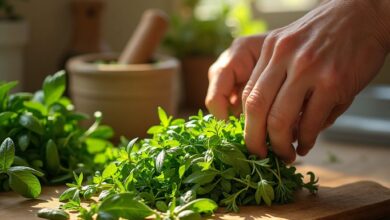
- Finely Chopped: The most common method. Add to salads, dressings, marinades, and as a finishing herb.
- Roughly Chopped: For heartier dishes, soups, and stews, where you want more texture and a deeper parsley flavor that can withstand some cooking.
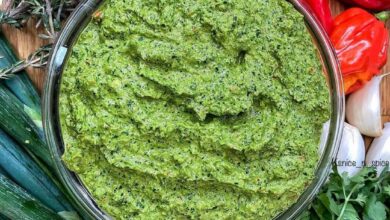
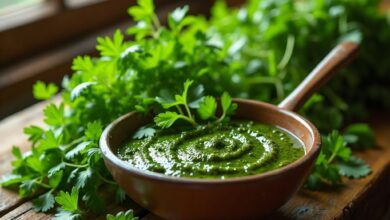
- Blended: The base for vibrant green sauces, pestos, and smoothies.
- Infused: Gently simmer whole sprigs in stocks, soups, or sauces to impart a subtle, aromatic depth, then remove before serving.
Step-by-Step Recipes: Let Parsley Take Center Stage!
1. Classic Tabbouleh: A Parsley Powerhouse Salad
This Middle Eastern staple celebrates parsley as its main ingredient.
- Ingredients:
- 2 large bunches fresh flat-leaf parsley, finely chopped (about 3 cups)
- 1/2 cup fine bulgur wheat
- 3-4 ripe Roma tomatoes, finely diced
- 1/2 cup fresh mint leaves, finely chopped
- 1/2 cup red onion or green onions, finely minced
- 1/4 cup fresh lemon juice (or more to taste)
- 1/4 cup extra virgin olive oil (consider a quality brand like a Tuscan or Greek olive oil)
- Salt and freshly ground black pepper to taste
- Optional: 1/4 cup finely diced cucumber
- Instructions:
- Rinse the bulgur wheat and place it in a small bowl. Cover with warm water for 15-20 minutes, or until softened. Drain thoroughly, pressing out any excess water.
- In a large bowl, combine the finely chopped parsley, tomatoes, mint, and onion. Add the drained bulgur.
- Pour in the lemon juice and olive oil. Season generously with salt and pepper.
- Mix everything gently but thoroughly. Taste and adjust seasonings as needed.
- For best flavor, let it sit for at least 30 minutes in the refrigerator before serving to allow the flavors to meld. Serve chilled.
2. Zesty Gremolata: The Italian Flavor Bomb
A simple, potent condiment that brightens rich dishes.
- Ingredients:
- 1/2 cup fresh flat-leaf parsley, finely chopped
- 2 cloves garlic, minced very finely
- Zest of 1 large lemon
- Instructions:
- On a cutting board, combine the finely chopped parsley, minced garlic, and lemon zest.
- Using your knife, chop and mix the ingredients together until they are well combined and almost form a coarse paste.
- Serve immediately over osso buco, roasted vegetables, grilled fish, or chicken.
3. Vibrant Parsley-Lemon Vinaigrette
A fresh, versatile dressing for any salad.
- Ingredients:
- 1/2 cup fresh flat-leaf parsley, roughly chopped
- 1/4 cup extra virgin olive oil
- 2 tablespoons fresh lemon juice
- 1 small clove garlic, minced (optional)
- 1/2 teaspoon Dijon mustard
- Salt and freshly ground black pepper to taste
- Instructions:
- In a small blender or food processor, combine all ingredients.
- Blend until smooth and emulsified. Taste and adjust seasonings.
- Serve immediately over salads, steamed vegetables, or grilled chicken.
Storage Tips: Keeping Parsley Fresh and Vibrant
To maximize its lifespan and flavor:
- Refrigerator Method (Bouquet Style): Trim the ends of the parsley stems. Place the bunch, stems down, in a glass jar with about an inch of water, similar to a bouquet of flowers. Loosely cover the leaves with a plastic bag (a produce bag works well) and store in the refrigerator. Change the water every 1-2 days. This method can keep parsley fresh for up to 2 weeks.
- Freezing Method: Finely chop fresh parsley. Place the chopped parsley into ice cube trays. Fill each cube with a little water or olive oil. Freeze until solid, then transfer the parsley cubes to a freezer-safe bag. These cubes are perfect for adding to soups, stews, and sauces directly from the freezer.
Substitution Options: When Parsley Isn’t Available
While nothing truly replaces parsley, some herbs offer similar roles:
- Chervil: Has a delicate, anise-like flavor and a similar appearance to flat-leaf parsley. Best used fresh.
- Cilantro: While distinctly different in flavor (more citrusy and pungent), it can work in some dishes, particularly those with a Mexican or Asian influence, where a fresh green herb is desired.
- Celery Leaves: The inner, tender leaves of celery have a mild, celery-like flavor and a texture similar to parsley, making them a decent substitute in a pinch.
Expert Insider Tips: Secrets from the Herb Garden & Kitchen
After years of working with parsley, I’ve gathered a few tricks that truly elevate its use:
- Don’t Discard the Stems! Parsley stems are packed with flavor, even more so than the leaves. Finely mince them and add them to the base of soups, stocks, sauces, and vinaigrettes. They contribute a deeper, more robust parsley essence. You can also toss whole stems into your vegetable broth pot for extra herbaceousness.
- The “Green Dust” Secret: For an instant flavor boost, finely chop a generous amount of flat-leaf parsley with a good chef’s knife. Once chopped, sprinkle it over almost anything hot off the stove – roasted vegetables, grilled meats, pasta dishes, or scrambled eggs. The heat gently releases its aromatic oils, creating an explosion of fresh flavor.
- Grow Your Own for Superior Flavor: While store-bought parsley is good, homegrown is exceptional. Consider planting a small pot of flat-leaf parsley from Burpee Seeds on your windowsill or in your garden. Freshly picked parsley has an unparalleled vibrancy and intensity that simply can’t be matched.
- Parsley as a Palate Cleanser: Chew on a few fresh parsley leaves between courses, or after a meal with strong flavors like garlic or onion. It’s a natural breath freshener and helps reset your palate, making it ready for the next delicious bite.
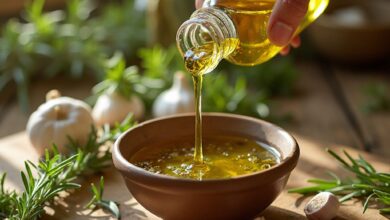
- Infused Oils and Vinegars: Gently warm good quality extra virgin olive oil with fresh parsley sprigs and a few garlic cloves. Let it infuse for a few hours (or days in the fridge), then strain. This parsley-infused oil is fantastic for drizzling over salads, bread, or roasted vegetables. Do the same with white wine vinegar for a bright, herbaceous vinegar.
Health and Wellness Benefits: A Nutritional Powerhouse
Beyond its culinary charm, parsley is a nutritional superstar, brimming with vitamins, minerals, and antioxidants that support overall health:
- Rich in Vitamins: Parsley is an excellent source of Vitamin K, essential for blood clotting and bone health. It’s also high in Vitamin C, a powerful antioxidant that supports immune function, and Vitamin A, important for vision and skin health.
- Antioxidant Powerhouse: This herb contains potent flavonoids, such as apigenin and luteolin, and carotenoids, which help combat oxidative stress and may reduce the risk of chronic diseases.
- Digestive Aid: Traditionally used to aid digestion, parsley can help soothe an upset stomach and reduce bloating. Its natural compounds can stimulate digestive enzymes.
- Natural Diuretic: Parsley has mild diuretic properties, which can help flush excess fluid from the body, supporting kidney health and reducing water retention.
- Bone Health: Thanks to its high Vitamin K content, parsley plays a role in