The Best Herbs to Grow Together and Which Ones Should Never Share a Pot

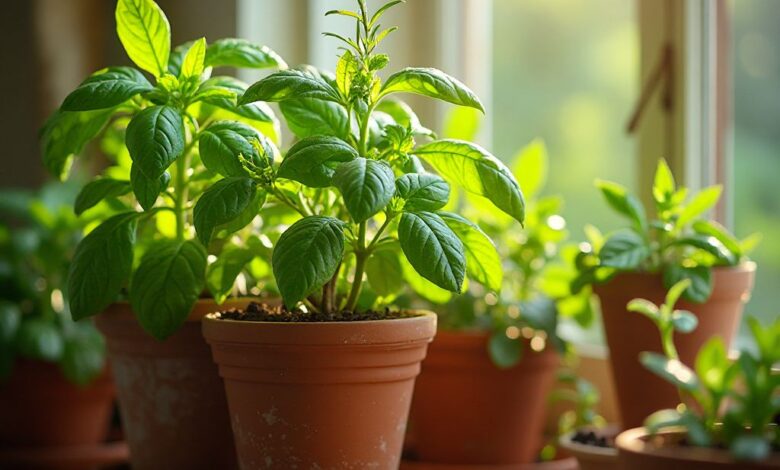
Imagine stepping into your garden, and instead of a chaotic jumble, you find a vibrant community where each plant thrives, seemingly whispering secrets of growth and vitality to its neighbor. This isn’t just a gardener’s dream; it’s the magic of companion planting, a practice as old as agriculture itself, and surprisingly, it can make your herbs taste even better! For years, I’ve watched the subtle dance between plants, observing how some flourish in close proximity while others wither, seemingly repelled by their neighbors. Understanding these botanical friendships and rivalries is key to creating a truly bountiful and harmonious herb garden, whether you have acres or just a sunny windowsill.
The concept of growing certain plants together to enhance their growth, deter pests, or improve flavor is not new. Indigenous cultures worldwide have practiced various forms of companion planting for millennia. From the “Three Sisters” (corn, beans, and squash) of Native American agriculture, which provide mutual support and nutrition, to ancient Roman gardens where herbs like rue were strategically placed to protect other crops, the wisdom of plant pairings has been passed down through generations. This isn’t just folklore; modern research continues to uncover the scientific basis behind these age-old techniques, from allelopathy (the chemical interactions between plants) to beneficial insect attraction. In a world increasingly focused on sustainable living and organic gardening, understanding these natural synergies empowers us to grow healthier, more robust herbs without relying on synthetic chemicals. It’s about working *with* nature, not against it, creating an ecosystem in miniature right in our own backyards or on our balconies.
The Art of Herb Harmony: Who to Plant Together and Who to Keep Apart
Creating a thriving herb garden is an incredibly rewarding experience, but knowing which herbs are best friends and which are sworn enemies can make all the difference. Let’s delve into the specifics, ensuring your green companions live their best lives.
Herbs That Love to Live Together: The Best of Friends
Think of these as the social butterflies of the herb world, thriving when planted in close proximity. They often share similar growing needs and offer mutual benefits.
The Mediterranean Marvels: Rosemary, Thyme, Oregano, Marjoram, Sage
- These sun-loving, drought-tolerant herbs are practically inseparable. They all hail from the Mediterranean region and share a love for similar conditions.
- Flavor Profiles: Earthy, pungent, and aromatic, these herbs are the backbone of Italian, Greek, and French cuisine. Imagine them infusing olive oil, seasoning roasted chicken, or adding depth to a slow-cooked ragu.
- Soil Requirements: Well-draining, slightly sandy soil is crucial. They despise “wet feet.” A good quality potting mix, perhaps enriched with a little Miracle-Gro organic plant food, will give your herbs the best start.
- Sunlight Needs: Full sun (at least 6-8 hours daily) is non-negotiable for robust growth and intense flavor.
- Watering Schedule: Allow the soil to dry out completely between waterings. Overwatering is their biggest enemy.
- Container vs. Ground Growing: They do wonderfully in containers together, especially larger ones that allow their roots some space. In the ground, ensure they have plenty of room to spread, as rosemary can become quite shrubby.
- Harvesting Techniques: Snip off sprigs or leaves as needed, encouraging bushier growth. Regular harvesting prevents them from becoming leggy.
- Pest Control: Their strong aromas can naturally deter common garden pests, benefiting each other. Rosemary, in particular, is known to repel carrot rust flies and cabbage moths.
The Classic Companions: Basil and Tomatoes (and Bell Peppers)
- While tomatoes and peppers aren’t herbs, basil is their ultimate best friend. This trio is often found together in the garden and on the plate.
- Flavor Profiles: Basil’s sweet, peppery, anise-like notes perfectly complement the acidity of tomatoes and the sweetness of peppers. Think Caprese salad, fresh pasta sauce, or a vibrant ratatouille.
- Soil Requirements: Rich, well-draining soil with consistent moisture.
- Sunlight Needs: Full sun, though basil appreciates some afternoon shade in very hot climates.
- Watering Schedule: Keep the soil consistently moist, but not waterlogged.
- Container vs. Ground Growing: Basil thrives nestled at the base of tomato plants, benefiting from the shade provided by the taller plant’s canopy in the hottest part of the day. They do well in large containers together.
- Harvesting Techniques: Pinch off basil leaves from the top to encourage branching. Harvest tomatoes when ripe and firm.
- Pest Control: Basil is said to repel whiteflies, aphids, and even hornworms, protecting its tomato and pepper companions.
The Delicate Duo: Parsley, Chives, and Cilantro
- These herbs appreciate similar, slightly cooler, and moister conditions than their Mediterranean counterparts.
- Flavor Profiles: Fresh, vibrant, and essential for finishing dishes. Parsley offers a clean, green note; chives provide a delicate oniony kick; cilantro brings a bright, citrusy, somewhat soapy flavor (for some!).
- Soil Requirements: Rich, consistently moist, well-draining soil.
- Sunlight Needs: Partial shade to full sun. Cilantro, in particular, bolts quickly in intense heat and full sun.
- Watering Schedule: Keep the soil consistently moist.
- Container vs. Ground Growing: Excellent for container growing together, especially in a wide, shallow pot.
- Harvesting Techniques: Snip outer leaves from parsley and cilantro, and cut chives from the base.
- Pest Control: Chives can help repel aphids.
Herbs That Prefer Their Own Space: The Lone Wolves
Some herbs are simply not meant to share a pot. Their unique needs or chemical properties can hinder their neighbors’ growth.
The Invasive Spreader: Mint
- Oh, mint! It’s wonderfully aromatic and versatile, but it’s an unapologetic spreader.
- Why it doesn’t share well: Mint’s aggressive root system will quickly take over any shared pot or garden bed, suffocating its neighbors.
- Growing Tips: Always grow mint in its own container. Use a good quality potting mix, like those from Burpee Seeds or Mountain Rose Herbs, and ensure it has consistent moisture and partial sun. You can even sink a bottomless pot into the ground to contain its spread.
- Propagation Methods: Mint is incredibly easy to propagate from cuttings or by dividing its vigorous roots.
The Growth Inhibitor: Fennel
- While delicious as a culinary vegetable and herb, fennel is notoriously anti-social in the garden.
- Why it doesn’t share well: Fennel releases compounds into the soil that can inhibit the growth of many other plants, especially dill, cilantro, and caraway. It can even stunt the growth of tomatoes and peppers.
- Growing Tips: Plant fennel away from other herbs and vegetables. It prefers full sun and well-draining soil.
The Bitter Repellent: Wormwood and Rue
- These are powerful, often medicinal herbs, but their strong properties extend to their growing environment.
- Why they don’t share well: Wormwood (Artemisia absinthium) is a strong allelopathic plant, meaning it releases chemicals that suppress the growth of nearby plants. Rue can also have a similar effect and can be an irritant to human skin for some individuals.
- Growing Tips: If you choose to grow wormwood or rue (often for their pest-repelling qualities for specific crops or for their unique medicinal properties), give them their own dedicated space, far from other delicate herbs.
Expert Insider Tips
- Listen to Your Herbs: Pay close attention to how your herbs are reacting. Wilting, yellowing, or stunted growth can be a sign of incompatibility or incorrect care. Adjust watering, sun exposure, or even separate plants if needed.
- Potting Mix Matters: Invest in high-quality organic potting mix. Brands like Miracle-Gro offer excellent organic options. For Mediterranean herbs, consider adding perlite or sand for extra drainage. For moisture-loving herbs, a mix with good water retention is key.
- The “Sacrificial Lamb” Strategy: If you have a persistent pest problem, consider planting a “trap crop” nearby that pests prefer over your main herbs. For instance, nasturtiums can draw aphids away from basil.
- Embrace Vertical Gardening: For small spaces, consider vertical planters. This allows you to grow many herbs without them competing for horizontal space, and you can strategically place incompatible herbs on different levels.
- Rotate Your Pots: Even compatible herbs can deplete soil nutrients over time. Every few months, consider refreshing the top layer of soil with fresh compost or a slow-release organic fertilizer from a brand like Frontier Co-op or Simply Organic.
Health and Wellness Benefits of Fresh Herbs
Beyond their culinary magic, fresh herbs are powerhouses of natural health benefits. Packed with vitamins, minerals, and potent antioxidants, they support everything from digestion and immunity to brain health. Growing your own ensures you have access to the freshest, most nutrient-dense ingredients, free from pesticides. The act of gardening itself is a therapeutic practice, reducing stress and connecting us to the earth’s rhythm.
Common Mistakes to Avoid
- Overcrowding: Even compatible herbs need space to breathe and grow. Don’t cram too many plants into one pot.
- Ignoring Drainage: Most herbs hate soggy feet. Always use pots with drainage holes and ensure your soil mix allows water to pass through.
- Mismatched Watering: Pairing a drought-tolerant herb (like rosemary) with a water-loving one (like basil) is a recipe for disaster, as one will inevitably suffer.
- Forgetting Sun Needs: Placing shade-loving herbs in full sun or vice-versa will lead to weak, unhealthy plants.
- Neglecting Pest Checks: Even with good companion planting, keep an eye out for pests. Early detection is key!
Safety and Precautions
While most culinary herbs are safe for consumption, it’s wise to exercise caution. Always positively identify any herb before ingesting it. Some herbs, like rue or wormwood, can cause skin irritation upon contact for sensitive individuals, so wear gloves when handling. If you are pregnant, nursing, or on medication, consult with a healthcare professional before consuming large quantities of any herb, as some can have potent medicinal properties or interact with medications.
Cultivate Your Herb Sanctuary!
There’s a profound satisfaction in stepping into your garden, plucking a fresh sprig of rosemary that’s been thriving alongside its thyme companion, or snipping basil leaves from the base of a tomato plant you lovingly nurtured. It’s more than just gardening; it’s an intimate dance with nature, a sustainable practice that enriches your kitchen, your health, and your spirit. Don’t be intimidated by the idea of companion planting; start small, observe, and learn from your plants. Whether you’re a seasoned green thumb or just beginning your journey, the world of herbs is waiting for you to explore. So, grab some quality seeds, perhaps from Burpee Seeds or Mountain Rose Herbs, choose a sunny spot, and begin cultivating