
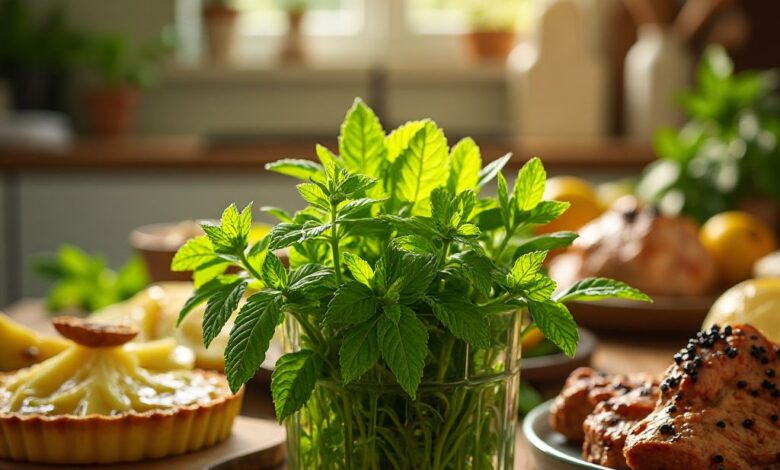
Oh, the glorious scent of fresh mint! Just crushing a leaf between your fingers releases an intoxicating burst – cool, sweet, sometimes a little peppery, always invigorating. It’s a fragrance that instantly brightens the kitchen, awakens the senses, and promises something truly special. But here’s a little secret, even for seasoned home cooks: many of us only scratch the surface of mint’s incredible culinary potential. We might toss it into a mojito or sprinkle it over a fruit salad, yet this humble herb holds a universe of flavor waiting to transform both your sweetest desserts and your most savory main courses. Prepare to fall head over heels for mint all over again, as we dive deep into its versatile magic!
The Ancient Allure of Mint: A Herb Through the Ages
Mint’s story is as rich and refreshing as its flavor, woven deeply into the tapestries of human history, medicine, and mythology. Its origins can be traced back thousands of years to ancient Egypt, where it was found in tombs, suggesting its revered status. The Greeks and Romans cherished mint not just for its aroma and taste, but for its perceived medicinal properties, using it to aid digestion, freshen breath, and even as a bathing herb. Pliny the Elder, the Roman naturalist, often wrote of mint’s virtues, and it was a common strewing herb to purify homes and temples.
Across cultures, mint has symbolized hospitality, purification, and even love. In the Middle East, particularly in Morocco, serving sweet mint tea is a profound gesture of welcome and friendship, a ritual steeped in tradition and community. Its presence in everything from ancient Ayurvedic remedies to European monastic gardens speaks to its enduring global significance. Today, whether it’s a vibrant sprig from your garden or a perfectly brewed cup of Yogi Tea Peppermint tea, mint continues to connect us to this ancient lineage of wellness and culinary delight.
Mastering Mint in the Kitchen: From Sweet Whispers to Savory Statements
Understanding mint begins with appreciating its diverse family. While there are many varieties, the two most common in cooking are Spearmint (Mentha spicata) and Peppermint (Mentha × piperita).
Mint’s Distinctive Flavor Profiles
-
Spearmint: The Culinary Darling
Spearmint is the gentler, sweeter cousin. Its flavor is bright, mild, and wonderfully refreshing with subtle floral notes. It’s the mint you’ll most often find in savory dishes, classic cocktails like mojitos, and many Middle Eastern and Asian cuisines. It’s less intensely “minty” than peppermint, making it more forgiving in larger quantities.
-
Peppermint: The Bold & Bracing
Peppermint, a hybrid of spearmint and watermint, boasts a much stronger, more pungent flavor due to its higher menthol content. It delivers that distinctive cooling sensation that makes it perfect for candies, chocolates, and invigorating teas. Think Celestial Seasonings Peppermint herbal tea or a rich chocolate mint ice cream. While its intensity can be overpowering in savory dishes, it shines brightly in desserts.
-
Other Playful Varieties
Don’t stop there! Explore varieties like Chocolate Mint (with subtle cocoa undertones, divine with actual chocolate), Apple Mint (fruity and mild, great for fruit salads), or Pineapple Mint (variegated leaves, a hint of tropical fruit, lovely in drinks).
Perfect Pairings: What Mint Loves Most
Mint is a true chameleon, enhancing a surprising array of ingredients.
-
Savory Sensations:
- Lamb: A classic for a reason! Mint’s freshness cuts through the richness of lamb beautifully.
- Peas & Potatoes: Simple boiled peas with butter and fresh mint, or a minty potato salad, are revelation.
- Yogurt & Cheese: Think Greek tzatziki, Indian raita, or a simple labneh with olive oil and mint. Feta and mint are also a dynamic duo.
- Vegetables: Eggplant, zucchini, tomatoes, and cucumbers all sing with a touch of mint.
- Legumes: Lentils and chickpeas (hello, hummus!) are elevated by mint’s bright notes.
- Grains: Quinoa, couscous, and bulgur in salads like tabbouleh are natural partners.
- Spices: Cumin, coriander, and sumac often pair exquisitely with mint in Middle Eastern and North African dishes.
-
Sweet Dreams:
- Chocolate: Peppermint and chocolate are a match made in heaven (think after-dinner mints or Harney & Sons Peppermint herbal tea).
- Fruits: Berries (strawberries, raspberries), watermelon, melon, citrus (especially lime and lemon), and peaches are all invigorated by mint.
- Drinks: Lemonades, iced teas, sparkling water, and of course, cocktails like mojitos and mint juleps.
- Desserts: Ice cream, sorbet, panna cotta, and fruit tarts are all enhanced by mint.
Cooking Techniques: Unleashing Mint’s Magic
How you add mint can significantly impact its flavor delivery.
- Fresh is Best: For most culinary uses, fresh mint is king. Its vibrant oils are at their peak. Gently tear, chiffonade (stack leaves, roll, and slice thinly), or finely chop just before using.
- Infusion: For sauces, syrups, teas, or custards, gently bruise mint leaves and steep them in warm liquid. Remove the leaves before serving for a pure, clean flavor without bitterness.
- Dried Mint: While fresh is preferred, dried mint (like quality offerings from Frontier Co-op or Mountain Rose Herbs) has its place, particularly in slow-cooked stews, rubs for meat, or when fresh isn’t available. Remember, dried herbs are more concentrated, so use about a third of the amount you would fresh.
- When to Add: For maximum freshness and vibrancy, add fresh mint at the very end of cooking or as a garnish. For a deeper, more integrated flavor (e.g., in a stew or soup), add it earlier in the cooking process.
Recipes to Ignite Your Mint Passion
1. Zesty Tabbouleh with a Minty Kick (Savory)
This classic Middle Eastern salad is a testament to mint’s ability to brighten and refresh. It’s perfect as a side dish or a light lunch.
- Ingredients:
- 1 cup fine bulgur wheat
- 2 cups boiling water
- 2 large ripe tomatoes, finely diced
- 1 large cucumber, finely diced
- 1 bunch fresh parsley, finely chopped (about 1 cup)
- 1/2 cup fresh spearmint leaves, finely chopped
- 1/2 cup finely chopped green onions (scallions)
- 1/4 cup fresh lemon juice (or more, to taste)
- 1/4 cup extra virgin olive oil
- Salt and freshly ground black pepper to taste
- Instructions:
- Place bulgur wheat in a heatproof bowl. Pour boiling water over it, cover, and let sit for 15-20 minutes, or until the water is absorbed and the bulgur is tender. Fluff with a fork and let cool.
- In a large bowl, combine the cooled bulgur, diced tomatoes, cucumber, parsley, mint, and green onions.
- In a small bowl, whisk together the lemon juice, olive oil, salt, and pepper.
- Pour the dressing over the salad and toss gently to combine.
- Taste and adjust seasonings. For best flavor, let it sit in the refrigerator for at least 30 minutes before serving.
2. Refreshing Mint & Berry Fruit Salad (Sweet)
A simple yet elegant dessert or breakfast, showcasing mint’s ability to elevate natural sweetness.
- Ingredients:
- 2 cups mixed berries (strawberries, blueberries, raspberries)
- 1 cup chopped melon (cantaloupe or honeydew)
- 1/4 cup fresh spearmint leaves, thinly sliced (chiffonade)
- 1 tablespoon fresh lime juice
- 1 teaspoon honey or maple syrup (optional, for extra sweetness)
- Instructions:
- Gently wash and dry all fruits. If using strawberries, hull and slice them.
- In a large bowl, combine the mixed berries and chopped melon.
- Add the chiffonaded mint, lime juice, and optional honey/maple syrup.
- Toss gently to combine, being careful not to crush the berries.
- Serve immediately or chill for up to an hour.
Storing Your Fresh Mint Treasure
To keep your fresh mint vibrant for longer:
- Bouquet Method: Trim the ends of the stems, place them in a glass with about an inch of water (like a bouquet), and cover loosely with a plastic bag. Store in the refrigerator. Change water every 1-2 days.
- Paper Towel Method: Wrap unwashed mint sprigs loosely in a damp paper towel, then place in a plastic bag or airtight container. Store in the crisper drawer of your refrigerator.
- Freezing: For longer storage, finely chop mint and freeze it in ice cube trays with a little water or olive oil. These mint cubes are perfect for adding to soups, stews, or smoothies.
Substitution Options (When Mint Isn’t an Option)
While mint’s unique flavor is hard to replicate, if you’re in a pinch:
- For a refreshing note: Lemon balm or basil can offer a similar bright, herbaceous quality, though they lack mint’s characteristic coolness.
- For a menthol kick (in desserts/drinks): A tiny drop of food-grade peppermint extract (use sparingly!) can work, but it lacks the complexity of fresh mint.
Expert Insider Tips from an Herbalist’s Kitchen
-
The Bruise Before the Brew:
When making mint tea or infusing liquids, gently bruise or tear the mint leaves before steeping. This breaks open the cell walls, releasing more of their aromatic oils and intensifying the flavor. Simply crushing them lightly in your hand or against the side of the mug works wonders.
-
Strategic Layering for Depth:
Don’t just add mint once! For savory dishes like stews or curries, add a small amount of finely chopped mint early in the cooking process to build a foundational herbaceous note. Then, finish the dish with a generous sprinkle of fresh, roughly chopped mint just before serving to provide a vibrant, fresh lift and aromatic pop. This layering creates a more complex and satisfying mint experience.
-
The Power of the Stem:
Don’t discard mint stems entirely! While the leaves are for eating, the stems are packed with flavor. When making mint-infused syrups, oils, or vinegars, you can add whole stems along with the leaves for a deeper, more robust infusion. Just remember to strain them out before bottling or serving.
-
Mint-Infused Ice Cubes:
Beyond freezing chopped mint with water, try freezing whole mint leaves inside your ice cubes. These are beautiful in summer drinks, lemonades, or even just plain sparkling water, slowly releasing their refreshing essence as they melt. It’s a simple trick that elevates any beverage.
Health & Wellness Benefits: The Healing Power of Mint
Beyond its delightful taste, mint is a powerhouse of natural wellness, revered for centuries in traditional medicine and increasingly supported by modern research.
- Digestive Aid: Perhaps mint’s most famous benefit! The menthol in peppermint relaxes the smooth muscles of the digestive tract, which can help alleviate indigestion, gas, bloating, and even symptoms of Irritable Bowel Syndrome (IBS). A warm cup of Twinings Peppermint tea after a meal is a time-honored remedy.
- Headache & Nausea Relief: The refreshing aroma of mint, particularly peppermint, can be surprisingly effective in easing tension headaches and even motion sickness. Inhaling the scent or applying diluted peppermint essential oil to the temples can provide relief.
- Congestion & Respiratory