
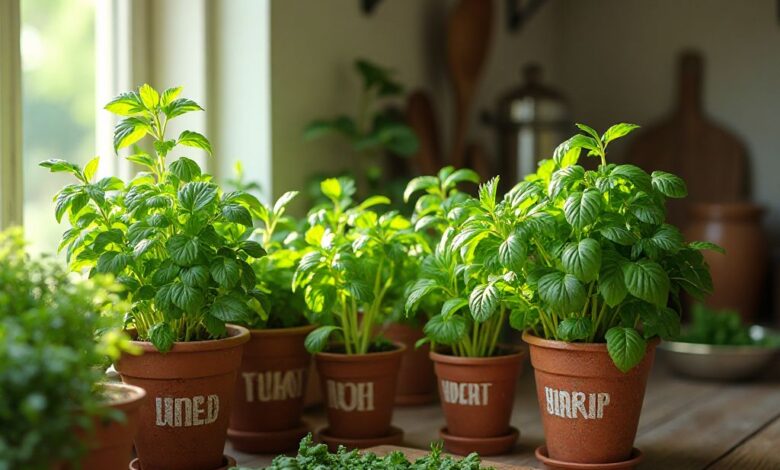
Imagine walking into your kitchen, and instead of a faint whiff of last night’s dinner, you’re greeted by a vibrant symphony of aromas: the peppery zest of fresh basil, the earthy whisper of thyme, the bright, citrusy kiss of cilantro. This isn’t just a dream – it’s the everyday reality of a well-stocked kitchen herb collection, capable of whisking your taste buds across continents with a single sprig. Many people think of herbs as mere garnishes, but did you know that a sprig of fresh rosemary contains powerful antioxidants, or that humble parsley is packed with more Vitamin C than an orange? Herbs are the unsung heroes of the culinary world, transforming simple ingredients into extraordinary meals, and their magic extends far beyond flavor, offering a bounty of wellness benefits.
The Ancient Roots of Modern Flavor: Why Herbs Matter
For millennia, herbs have been at the heart of human culture, serving as both sustenance and medicine. From the ancient Egyptians using mint in their rituals and meals, to Roman legions carrying thyme for courage, and Silk Road traders exchanging bundles of aromatic spices, herbs have literally shaped civilizations. Their profound significance isn’t just a matter of taste; it’s deeply interwoven with history, spirituality, and well-being. Each leaf and stem carries stories of distant lands, traditional healing, and the ingenious ways our ancestors learned to coax incredible flavors from the earth. Today, as our palates become more global, a diverse herb collection isn’t just a luxury—it’s an essential tool for any home cook looking to explore the rich tapestry of world cuisines, bringing authentic tastes and vibrant health to every dish.
Building Your Global Herb Pantry: A Culinary Journey
Crafting a kitchen herb collection that truly covers every cuisine means thinking beyond the obvious. It’s about understanding the foundational flavors of different regions and ensuring you have the fresh or dried powerhouses to recreate them authentically. Let’s embark on a culinary tour and stock your pantry with purpose.
The Mediterranean & European Essentials
These herbs are the backbone of Italian, Greek, French, and many Eastern European dishes, renowned for their robust aromas and versatile applications.
- Basil (Sweet Basil, Thai Basil):
- Flavor Profile: Sweet basil offers a peppery, slightly anise-like, sweet aroma. Thai basil has a more pronounced licorice and spicy note.
- Best Food Pairings: Sweet basil shines with tomatoes, mozzarella, pasta, pesto, and chicken. Thai basil is indispensable in curries, stir-fries, and pho.
- Cooking Techniques: Add sweet basil towards the end of cooking to preserve its delicate flavor. Thai basil can withstand more heat.
- Storage Tips: Treat fresh basil like a flower bouquet: trim stems, place in a jar of water on the counter, covered loosely with a plastic bag. Change water daily.
- Substitution Options: For sweet basil, oregano or marjoram in a pinch, but the flavor won’t be identical. For Thai basil, mint can offer a similar aromatic lift.
- Growing Tips: Basil loves sun (6+ hours) and consistent moisture. Pinch back regularly to encourage bushiness. Container growing is excellent; consider a good potting mix like Miracle-Gro Potting Mix.
- Oregano:
- Flavor Profile: Pungent, earthy, slightly bitter, with peppery notes. Dried oregano is often more potent than fresh.
- Best Food Pairings: Pizza, pasta sauces, grilled meats, Greek salads, roasted vegetables.
- Cooking Techniques: Can be added early in cooking to infuse dishes.
- Storage Tips: Fresh: wrap in a damp paper towel, place in a sealed bag in the fridge. Dried: store in an airtight container away from light and heat. Consider Simply Organic Dried Oregano for quality.
- Substitution Options: Marjoram (milder), thyme.
- Growing Tips: A sun-lover that tolerates dry conditions. Great in rock gardens or containers.
- Thyme:
- Flavor Profile: Earthy, minty, slightly lemony, and woody.
- Best Food Pairings: Roasted chicken, stews, soups, potatoes, mushrooms, fish.
- Cooking Techniques: Excellent for slow cooking, infusing oils, and flavoring stocks. Can be added early.
- Storage Tips: Wrap fresh sprigs in a damp paper towel, place in a plastic bag in the fridge.
- Substitution Options: Marjoram, oregano, or savory.
- Growing Tips: Drought-tolerant and loves full sun. Grows well in containers or as ground cover.
- Rosemary:
- Flavor Profile: Piney, woody, peppery, with notes of lemon and mint.
- Best Food Pairings: Lamb, roasted potatoes, chicken, focaccia, olive oil infusions.
- Cooking Techniques: Best for longer cooking times, as its flavor develops. Can be used as a skewer for grilling.
- Storage Tips: Similar to thyme, wrap in a damp paper towel and refrigerate.
- Substitution Options: Thyme (less piney), sage (different profile, but strong).
- Growing Tips: Needs full sun and well-drained soil. Can grow into a large shrub, so consider container size or ground planting.
- Dill:
- Flavor Profile: Fresh, grassy, slightly anise-like, and tangy.
- Best Food Pairings: Fish (especially salmon), potatoes, cucumbers, yogurt sauces, pickles.
- Cooking Techniques: Best added fresh at the end of cooking or as a garnish to preserve its delicate flavor.
- Storage Tips: Place stems in a glass of water, cover with a plastic bag, and refrigerate.
- Substitution Options: Fennel fronds, tarragon (different, but aromatic).
- Growing Tips: Prefers full sun and rich soil. Can bolt quickly in hot weather, so succession plant.
The Asian Aromatics
These herbs define the vibrant, complex flavors of East, Southeast, and South Asian cuisines.
- Cilantro (Coriander):
- Flavor Profile: Bright, citrusy, fresh, with a unique peppery note. Some people perceive it as soapy (genetic trait!).
- Best Food Pairings: Tacos, curries, pho, salsa, stir-fries, ceviche.
- Cooking Techniques: Almost always added fresh as a garnish or stirred in at the very end.
- Storage Tips: Place roots in a jar of water, cover loosely with plastic bag, refrigerate.
- Substitution Options: Flat-leaf parsley (different flavor, but similar texture), mint for some applications.
- Growing Tips: Grows quickly from Burpee Seeds. Prefers cooler weather and partial shade in hot climates to prevent bolting.
- Mint (Spearmint, Peppermint):
- Flavor Profile: Spearmint is sweet and refreshing; peppermint is stronger, with a menthol kick.
- Best Food Pairings: Lamb, salads, fruit, teas, cocktails (mojitos!), spring rolls, curries.
- Cooking Techniques: Best fresh, added at the end. Can be muddled for drinks.
- Storage Tips: Treat like basil, in a jar of water, or wrap in damp paper towel in the fridge.
- Substitution Options: Other mint varieties, or basil for some sweet applications.
- Growing Tips: Incredibly vigorous and can take over a garden! Best grown in containers to control its spread. Loves moisture and partial shade.
- Lemongrass:
- Flavor Profile: Lemony, grassy, with a hint of ginger and mint.
- Best Food Pairings: Thai curries, Vietnamese pho, stir-fries, soups, marinades.
- Cooking Techniques: Bruise the stalks to release flavor, then add to broths or curries. Can be finely minced for marinades.
- Storage Tips: Wrap tightly in plastic wrap and refrigerate for several weeks, or freeze whole stalks.
- Substitution Options: Lemon zest with a touch of ginger (not perfect, but closest).
- Growing Tips: Needs warm weather, full sun, and consistent moisture. Can be grown from stalks bought at the grocery store.
The Latin American & Caribbean Staples
These herbs bring the vibrant, often spicy and complex notes to dishes from Mexico, Central, and South America, and the Caribbean.
- Mexican Oregano:
- Flavor Profile: More earthy and citrusy than Mediterranean oregano, with notes of licorice.
- Best Food Pairings: Chili con carne, tacos, enchiladas, beans, grilled meats.
- Cooking Techniques: Can be added early in cooking.
- Storage Tips: Store dried in an airtight container.
- Substitution Options: Mediterranean oregano, but use less and consider adding a touch of marjoram and cumin.
- Epazote:
- Flavor Profile: Pungent, medicinal, with notes of oregano, mint, and citrus.
- Best Food Pairings: Black beans, quesadillas, tamales, fish. It also helps reduce the flatulence associated with beans!
- Cooking Techniques: Add fresh or dried leaves to beans and stews. Use sparingly due to its strong flavor.
- Storage Tips: Fresh: wrap in a damp paper towel and refrigerate. Dried: airtight container.
- Substitution Options: No direct substitute, but a mix of oregano and cilantro can provide a distant echo.
The Versatile All-Rounders
These herbs are beloved in many cuisines for their fresh, oniony, or bright notes.
- Chives:
- Flavor Profile: Mild onion and garlic flavor, delicate and fresh.
- Best Food Pairings: Eggs, potatoes, salads, cream cheese, soups, seafood.
- Cooking Techniques: Best added fresh as a garnish or at the very end of cooking.
- Storage Tips: Wrap in a damp paper towel, place in a plastic bag in the fridge. Can be frozen chopped.
- Substitution Options: Green onions (scallions),