How to Deal With Pests on Your Herb Garden Without Using Chemicals


The Pure Garden: Nurturing Your Herbs, Naturally
Imagine this: you step into your garden, the morning sun warming your skin, and reach for a vibrant sprig of rosemary. Its piney, camphoraceous scent fills the air, promising a culinary adventure. Or perhaps it’s the sweet, peppery aroma of basil, ready to transform into a pesto masterpiece. But then, you spot it – a tiny nibble, a tell-tale hole, or worse, a minuscule intruder making itself at home. Your heart sinks. The thought of reaching for harsh chemical sprays, tainting the very essence of nature’s bounty you cherish, feels utterly wrong. Don’t despair, my fellow plant lover! Protecting your precious herbs from unwanted guests without resorting to chemicals is not just possible; it’s a deeply rewarding journey into the heart of natural gardening.
A Timeless Dance: Humans, Herbs, and Pests
For millennia, humans have cultivated herbs, not just for their culinary magic and healing powers, but for their sheer beauty and fragrance. From the ancient Egyptians using mint in their rituals to the Roman Empire’s reliance on thyme and sage for medicine and flavor, herbs have woven themselves into the fabric of human history. This intimate relationship with plants, however, has always come with a challenge: sharing our harvest with the natural world’s smaller inhabitants. Our ancestors, lacking modern chemical interventions, relied on keen observation, ecological understanding, and ingenious natural solutions to protect their crops. They understood that a thriving garden is a balanced ecosystem, not a sterile battlefield. Today, as we increasingly seek purity in our food and a deeper connection to nature, the wisdom of chemical-free pest control is more relevant than ever. It’s about respecting the intricate web of life, ensuring the health of our families, and savoring herbs that are truly unadulterated.
Nurturing Your Herb Garden: A Guide to Natural Pest Control
Cultivating a robust, pest-resistant herb garden begins long before any unwelcome visitors arrive. It’s about creating an environment where your herbs can thrive, making them inherently more resilient. Think of it as building a strong immune system for your garden!
Building a Resilient Foundation: Prevention is Key
The best defense against pests is a healthy, happy plant. Stressed plants are like an open invitation to trouble. Here’s how to lay that strong foundation:
- Soil Requirements: Healthy soil is the bedrock of a healthy garden. Enrich your soil with plenty of organic matter like compost. This improves drainage, aeration, and nutrient availability, fostering strong root systems. I often recommend incorporating well-rotted compost from my own bin or using high-quality organic soil amendments available from reputable brands.
- Sunlight Needs: Most culinary herbs (basil, thyme, rosemary, oregano, mint) crave at least 6-8 hours of direct sunlight per day. Adequate sunlight strengthens cell walls, making plants less susceptible to disease and pests.
- Watering Schedule: Overwatering can lead to root rot and create a humid environment that certain pests (like fungus gnats) adore. Underwatering stresses plants, making them weak. Water deeply and consistently, allowing the top inch or two of soil to dry out between waterings. Always water at the base of the plant to keep foliage dry, especially in the evening.
- Container vs. Ground Growing: Both have their merits. Containers offer flexibility to move plants to ideal sun conditions or shelter them during extreme weather. Ground planting allows for larger root systems and often more stable soil temperatures. Ensure good drainage in containers!
- Proper Spacing and Air Circulation: Crowded plants create humid, stagnant air – a perfect breeding ground for fungal issues and pests like spider mites. Give your herbs room to breathe! This also makes it easier to inspect and tend to each plant.
- Companion Planting: This ancient practice uses plant partnerships to deter pests or attract beneficial insects.
- Marigolds (especially French marigolds) planted near herbs can deter nematodes and other soil-borne pests.
- Nasturtiums act as a “trap crop,” luring aphids away from your prized basil.
- Borage is excellent for attracting pollinators and beneficial insects like predatory wasps.
- Mint (planted in a contained area, as it spreads aggressively!) can repel ants and certain flies.
- Garlic and chives can deter aphids and Japanese beetles.
Direct Action: Natural Pest Management Strategies
Even with the best preventative measures, sometimes pests still show up. Here’s how to deal with them gently but effectively:
- Hand-Picking: For larger pests like slugs, snails, and caterpillars, your hands are your best tools. Go out in the early morning or evening with a bucket of soapy water and simply pick them off, dropping them into the water. For slugs and snails, shallow dishes of beer also work as effective traps.
- Strong Water Spray: A strong blast of water from your hose can dislodge aphids, spider mites, and whiteflies from leaves. Be sure to spray the undersides of leaves where many pests hide. Do this in the morning so the foliage has time to dry, preventing fungal issues.
- Insecticidal Soap Spray: A simple, non-toxic solution for soft-bodied pests like aphids, mealybugs, and spider mites. Mix 1-2 teaspoons of mild liquid dish soap (avoid detergents with degreasers) with 1 liter of water. Spray directly onto the pests, ensuring good coverage, especially on the undersides of leaves. The soap breaks down the pests’ protective outer layer, causing dehydration. Always test on a small area first to ensure your herb isn’t sensitive.
- Neem Oil Spray: A powerful botanical insecticide derived from the neem tree. Neem oil works as an antifeedant, repellent, and growth disruptor for many pests, including aphids, whiteflies, spider mites, and Japanese beetles. Mix according to package directions (usually 1-2 tablespoons per gallon of water) with a few drops of mild soap as an emulsifier. Spray thoroughly, again focusing on leaf undersides, in the evening to avoid harming beneficial insects (which are less active at night) and to prevent leaf burn in strong sun. You can find high-quality organic neem oil from trusted suppliers like Mountain Rose Herbs or Frontier Co-op.
- Garlic and Chili Sprays: These act as natural repellents. Blend a few cloves of garlic and/or a small chili pepper with water, let it sit, strain, and then dilute with more water and a drop of soap. Spray on plants to deter pests with its strong scent and irritating properties.
- Attracting Beneficial Insects: Welcome the good guys! Ladybugs, lacewings, parasitic wasps, and hoverflies are natural predators of common garden pests. Plant flowers like dill, fennel, cilantro, cosmos, and sunflowers to provide nectar and pollen for these helpful allies. You can even purchase ladybugs from garden suppliers, though ensuring a hospitable environment for them to stay is key.
- Sticky Traps: Yellow sticky traps are great for monitoring and trapping flying pests like whiteflies, fungus gnats, and winged aphids. Position them strategically near your herbs.
Harvesting Techniques for Pest Management
Regular harvesting isn’t just for culinary enjoyment; it’s also a form of pest management. Removing older, tougher leaves can eliminate hiding spots for pests and encourage new, vigorous growth that is often more pest-resistant. When you harvest, inspect your plants closely for any signs of pests and address them immediately.
Expert Insider Tips from My Herb Journal
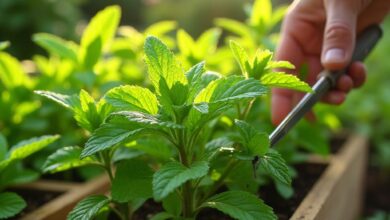
- The Power of Daily Patrols: My top tip, honed over years, is to spend just 5-10 minutes every single day walking through your herb garden. Don’t just look at the top of the leaves; gently lift and inspect the undersides, check stems, and look at new growth. Early detection of a few pests is infinitely easier to manage than an infestation. This daily ritual isn’t a chore; it’s a meditative connection with your plants.
- Sacrificial Plants & Trap Cropping: Don’t be afraid to plant a “sacrificial lamb.” For instance, plant a few nasturtiums a little distance from your basil. Aphids often find nasturtiums irresistible and will congregate there, leaving your basil relatively untouched. You can then easily hose down or remove the infested nasturtium leaves.
- Understand Your Pest’s Lifecycle: Knowledge is power. Learn about the common pests in your area – when they emerge, what they target, and how they reproduce. For example, knowing that spider mites thrive in hot, dry conditions means you can proactively mist plants during heatwaves. This foresight allows for targeted prevention rather than reactive crisis management.
- Embrace Biodiversity Beyond Herbs: While we love our herbs, a monoculture (growing only one type of plant) is an open invitation for pests. Integrate flowering plants, vegetables, and even small shrubs into your herb beds. This creates a more complex ecosystem that naturally balances pest populations by providing diverse habitats for beneficial insects and confusing pests that specialize in specific host plants.
- The Art of Fermented Plant Extracts (FPEs): For the more adventurous gardener, creating your own fermented plant extracts from nutrient-rich weeds (like comfrey or nettle) provides a powerful, natural foliar feed that strengthens plants from within, making them less appealing to pests. It’s a step beyond compost tea, leveraging microbial activity for potent plant vitality.
The Wellness Harvest: Benefits of Chemical-Free Herbs
The health and wellness benefits of growing your herbs without chemicals extend far beyond just avoiding harmful substances. When you nurture your garden naturally, you are cultivating purity. Every leaf of mint for your tea, every sprig of thyme for your roast, every basil leaf for your pesto, is a testament to your commitment to health. You gain peace of mind knowing that what you bring to your kitchen and your body is free from synthetic pesticides and herbicides. This direct connection to nature, the act of tending life, is itself a profound wellness practice, reducing stress and fostering a sense of accomplishment. Moreover, herbs grown in healthy, living soil often have a more vibrant flavor profile and robust nutrient content. It’s a holistic approach to wellness, from the soil to your plate.
Common Mistakes to Avoid in Natural Pest Control
Even with the best intentions, beginners can make a few missteps:
<