How to Use Compost and Natural Fertilizers to Feed Your Herb Garden

Nourishing Your Herb Garden: The Secret to Vibrant Flavors and Potent Wellness
Have you ever plucked a sun-warmed sprig of basil from your own garden, crushed it between your fingers, and inhaled that intoxicating, peppery-sweet aroma? Or perhaps snipped a few leaves of mint for a refreshing iced tea, tasting the vibrant zest that simply doesn’t compare to store-bought? That burst of flavor, that intense fragrance, that undeniable vitality – it’s not just magic. It’s the direct result of a happy, healthy herb, deeply rooted in nutrient-rich soil. And today, my friends, we’re going to unlock the secrets to cultivating that very magic, using nature’s own pantry: compost and natural fertilizers.
The Ancient Wisdom of Earth’s Bounty
For millennia, cultures across the globe have understood a profound truth: the health of our plants, and by extension, our own well-being, begins in the soil. From the fertile floodplains of the Nile, where ancient Egyptians revered the annual deposit of nutrient-rich silt, to the intricate terraced farms of the Incas, who meticulously enriched their Andean soils, humanity has long recognized the critical role of earth’s vitality. This isn’t just about growing food; it’s about cultivating life itself. Indigenous peoples worldwide have traditionally honored the soil as a living entity, understanding that a thriving ecosystem below ground leads to vibrant life above.
Today, as we seek to reconnect with nature and embrace more sustainable living, this ancient wisdom is more relevant than ever. Moving beyond synthetic chemicals and embracing organic, natural feeding methods for our herb gardens isn’t just a trend; it’s a return to foundational principles. It’s about nurturing the soil’s intricate microbial life, building resilience, and ultimately, growing herbs that are not only bursting with flavor but also rich in the very compounds that nourish our bodies and spirits. It’s a holistic approach that truly matters for every home gardener, from the budding enthusiast to the seasoned green thumb.
Feeding Your Herb Garden: Nature’s Way
The secret to truly extraordinary herbs lies beneath the surface, in the living soil that cradles their roots. While chemical solutions like Miracle-Gro offer quick fixes, they often bypass the long-term health of the soil, potentially harming beneficial microbes and leading to less resilient plants. Our goal is to create a thriving ecosystem that sustains your herbs naturally, making them more flavorful, more potent, and more resistant to pests and diseases.
The Magic of Compost: Your Garden’s Black Gold
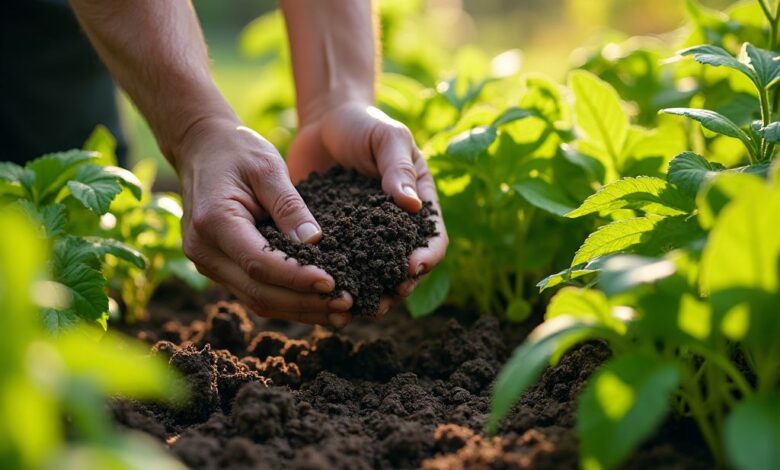
Compost is, quite simply, decomposed organic matter – and it’s an absolute powerhouse for your herb garden. Think of it as the ultimate soil conditioner and a slow-release, balanced fertilizer rolled into one. It’s teeming with beneficial microorganisms that transform raw nutrients into forms readily available to plants.
-
What is Compost?
It’s the rich, dark, crumbly material that results from the decomposition of kitchen scraps, yard waste, and other organic materials. It smells like fresh earth and feels wonderfully soft.
-
Benefits for Herbs:
- Improved Soil Structure: Compost helps sandy soils retain moisture and nutrients, and loosens heavy clay soils for better drainage and aeration.
- Nutrient Supply: It provides a broad spectrum of essential nutrients (nitrogen, phosphorus, potassium, and trace minerals) in a slow-release form, preventing nutrient burn and ensuring steady growth.
- Microbial Life: It introduces a diverse community of beneficial bacteria, fungi, and other microorganisms that enhance nutrient cycling and disease suppression.
- Water Retention: Compost can hold up to 20 times its weight in water, reducing the need for frequent watering.
-
How to Use Compost:
- Top-Dressing: Spread a 1-2 inch layer of finished compost around the base of your established herb plants in spring and mid-summer. Gently scratch it into the top inch or two of soil, being careful not to disturb shallow roots. This provides a continuous feed.
- Amending New Beds: When preparing a new herb bed, incorporate a generous 2-4 inch layer of compost into the top 6-12 inches of soil. This builds a strong foundation for healthy root development.
- Potting Mix Booster: For container herbs, mix 1 part compost with 2-3 parts high-quality potting mix. This enriches the soil and provides a natural nutrient boost.
- Compost Tea: (More on this below!)
Unlocking Nature’s Pantry: Specialized Natural Fertilizers
Beyond compost, there’s a world of natural amendments that can provide targeted nutrients and give your herbs an extra boost. These are often used in conjunction with compost to fine-tune your soil’s fertility.
-
Worm Castings: Nature’s Perfect Fertilizer
These are essentially worm manure, rich in beneficial microbes, enzymes, and readily available nutrients. They are odorless, non-burning, and incredibly effective.
- How to Use: Top-dress your herbs with a thin layer (1/4 to 1/2 inch) every 2-3 months, or mix into potting soil. You can also make “worm tea” by steeping a handful in water overnight and using the liquid to water your plants.
-
Fish Emulsion: The Quick Nitrogen Boost
Derived from fish byproducts, this liquid fertilizer is a fast-acting source of nitrogen, essential for leafy growth. It does have a distinct, fishy smell, so apply it when the scent won’t be an issue!
- How to Use: Dilute according to package directions (e.g., Burpee Seeds often carries good organic options). Use as a soil drench every 2-4 weeks during the active growing season, or as a foliar spray (early morning or late evening) for a rapid nutrient uptake.
-
Kelp Meal: Trace Minerals and Growth Hormones
Made from dried seaweed, kelp meal is packed with trace minerals, amino acids, and natural plant growth hormones (cytokinins and auxins). It promotes strong root development and overall plant vigor.
- How to Use: Incorporate into soil at planting time, top-dress established plants, or add to your compost tea brew. Brands like Mountain Rose Herbs or Frontier Co-op offer bulk kelp meal.
-
Compost Tea: A Liquid Boost of Life
This is a liquid extract made by steeping finished compost in water, often with an air pump to encourage beneficial aerobic microbes. It’s a wonderful way to deliver a burst of microbial activity and soluble nutrients directly to your plants.
- Simple Recipe: Fill a permeable bag (like a paint strainer bag) with 1-2 shovelfuls of finished compost. Suspend it in a 5-gallon bucket of dechlorinated water (let tap water sit out for 24 hours). Brew for 24-48 hours, stirring occasionally. For best results, use an aquarium air pump to aerate.
- How to Use: Dilute the tea (often 1:10 with water) and use it as a soil drench or foliar spray. Your herbs will thank you with vibrant growth!
-
Aged Manure: A Traditional Powerhouse
From cows, chickens, or horses, aged manure is an excellent source of nutrients and organic matter. The key is “aged” – fresh manure can burn plants due to high nitrogen levels and may contain pathogens.
- How to Use: Ensure manure is composted for at least 6 months to a year. Mix into garden beds before planting, or use as a top-dressing in spring.
-
Other Targeted Amendments:
- Bone Meal: A slow-release source of phosphorus, great for root development and flowering.
- Blood Meal: A quick-release organic nitrogen source, excellent for leafy greens like parsley and cilantro.
- Greensand: Provides potassium and a wide array of trace minerals, improving overall plant health.
Application Techniques and Timing
- When to Fertilize: The most crucial times are in early spring as new growth begins, and again in mid-summer after your first big harvest. Herbs in containers may need more frequent, lighter feedings (every 4-6 weeks) due to nutrients leaching out with watering.
- How Often: Remember, “less is more” with natural fertilizers. Over-fertilizing can be just as detrimental as under-fertilizing. Observe your plants; healthy, vibrant growth indicates they are well-fed.
- Top-Dressing: Spreading dry amendments (compost, worm castings, kelp meal) on the soil surface allows nutrients to slowly leach into the root zone with each watering.
- Liquid Feeding: Fish emulsion, compost tea, and worm tea provide a rapid nutrient boost and can be applied directly to the soil or as a foliar spray.
- Container vs. In-Ground: Container herbs generally have fewer nutrients available and are more prone to nutrient leaching, so they typically require more consistent feeding than herbs grown directly in garden beds.
Expert Insider Tips for Thriving Herb Gardens
-
Listen to Your Soil, Not Just Your Plants:
Before adding anything, get to know your soil. A simple soil test can tell you its pH and nutrient levels. This allows you to tailor your amendments precisely, rather than guessing. For instance, if your soil is already rich in nitrogen, you might focus on phosphorus and potassium instead.
-
The Power of Mulch:
Beyond feeding, a good layer of organic mulch (like straw, shredded leaves, or wood chips) around your herbs works wonders. It conserves moisture, suppresses weeds, regulates soil temperature, and as it breaks down, it adds organic matter and nutrients back to the soil, acting as a slow, continuous feed.
-
Rotate Your Feeds:
Don’t stick to just one type of fertilizer. Rotate between compost, compost tea, and different natural amendments (like fish emulsion one month, kelp meal the next). This provides a broader spectrum of nutrients and encourages a more diverse microbial community.
-
Brewing for Aroma and Potency:
When making compost tea, consider adding a handful of alfalfa meal or a splash of molasses (unsulphured) to the brew. Alfalfa provides growth stimulants, while molasses feeds the beneficial microbes, boosting the tea’s efficacy and leading to herbs with even more vibrant aromas and potent flavors.
-
“Pinch to Feed” for Bushier Herbs:
While not a direct fertilizer, regular harvesting and pinching back your herbs (especially basil, mint, oregano) encourages bushier growth and more abundant leaf production. This effectively signals the plant to put more