How to Use Culantro the Stronger Cousin of Cilantro in Caribbean Dishes

How to Use Culantro: The Stronger Cousin of Cilantro in Caribbean Dishes
Imagine walking through a bustling Caribbean market, the air thick with the intoxicating aromas of exotic spices, sweet fruits, and simmering stews. Then, a scent hits you – familiar, yet intensely amplified, like cilantro’s bolder, more confident older sibling. This, my dear herb lovers, is culantro. If you thought you knew cilantro, prepare to have your taste buds awakened to a whole new world of vibrant flavor!
Background: The Soul of Caribbean Cuisine
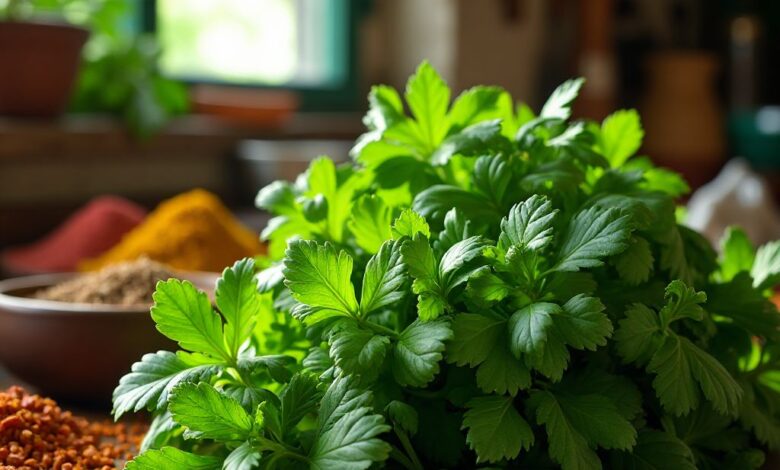
Culantro, known botanically as Eryngium foetidum, is a powerhouse herb deeply woven into the culinary fabric of the Caribbean, Latin America, and even Southeast Asia. While its name often causes confusion with its more delicate cousin, cilantro (Coriandrum sativum), culantro is a distinct plant with a unique appearance and a much more potent flavor profile. Originating in tropical America, it has been cultivated for centuries, not just for its incredible taste, but also for its traditional medicinal properties.
In places like Puerto Rico, the Dominican Republic, Trinidad and Tobago, and Cuba, culantro isn’t just an ingredient; it’s a culinary cornerstone, an indispensable part of their gastronomic identity. It’s known by many names – recao in Puerto Rico, ngo gai in Vietnam, chadon beni in Trinidad, or simply ‘long coriander’ or ‘spiny coriander’ in English-speaking regions. Its deep roots in these cultures speak volumes: it’s the secret ingredient that gives many beloved dishes their authentic, soulful character, a flavor that can transport you straight to sun-drenched islands with just one bite.
Main Content: Unlocking Culantro’s Culinary Magic
Flavor Profile: Cilantro on Steroids
Let’s talk taste. Culantro offers a flavor that is unmistakably cilantro-like, yet it’s deeper, earthier, and significantly more pungent and robust. Think of it as cilantro’s concentrated essence, with additional layers of subtle citrus and a slightly peppery, almost smoky undertone. Its aroma is equally powerful, capable of standing up to long cooking times without dissipating, unlike cilantro which often fades quickly under heat. This intensity is precisely why it’s so prized in slow-cooked stews and hearty braises.
Best Food Pairings: The Heart of the Caribbean Kitchen
Culantro is a non-negotiable ingredient in many iconic Caribbean dishes. Its strong flavor shines brightest when paired with robust ingredients and slow-cooked preparations:
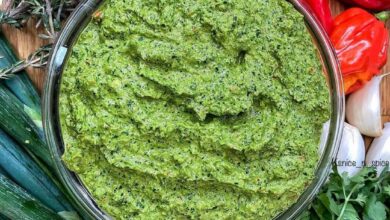
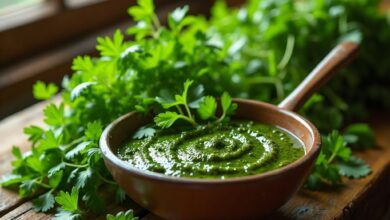
- Sofrito: This aromatic base for countless Caribbean and Latin American dishes absolutely demands culantro. Blended with onions, garlic, peppers (like ají dulce), and sometimes tomatoes, culantro provides the signature depth.
- Stews and Soups: From Puerto Rican sancocho to Trinidadian callaloo, culantro infuses rich, complex flavor into long-simmered broths and gravies.
- Adobos and Marinades: Used in marinades for meats like pork and chicken, it tenderizes and imparts a profound, savory taste.
- Rice and Beans: A staple across the Caribbean, culantro elevates simple rice and beans to a gourmet experience.
- Escabeche: Pickled fish or vegetables benefit from culantro’s bold presence.
- Seafood Dishes: Its vibrant flavor beautifully complements fish and shellfish, cutting through richness and adding freshness.
Cooking Techniques: Embracing the Intensity
Unlike cilantro, which is often added at the end of cooking for a fresh burst, culantro thrives with heat. Its robust flavor develops and mellows beautifully when cooked. Here’s how to use it:
- Early Addition: For maximum flavor infusion, add finely chopped or bruised culantro leaves at the beginning of your cooking process, especially in sofritos, stews, and soups.
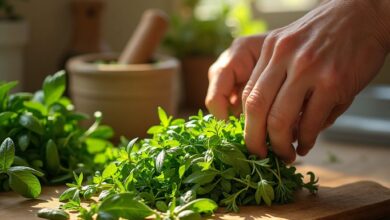
- Bruising: To release its essential oils and intensify its aroma, gently bruise the leaves before chopping or adding whole to a pot.
- Fresh Garnish (Sparingly): While primarily a cooking herb, a very small amount of finely minced fresh culantro can be used as a garnish for dishes where you want a powerful, fresh hit, but use it with discretion!
Step-by-Step Recipe: Classic Caribbean Sofrito
This is where culantro truly shines. A good sofrito is the soul of Caribbean cooking.
Ingredients:
- 1 large white onion, roughly chopped
- 1 head garlic, cloves peeled
- 1 green bell pepper, deseeded and roughly chopped
- 1 red bell pepper, deseeded and roughly chopped
- 2 ají dulce peppers (or 1/2 a green bell pepper if unavailable), deseeded and roughly chopped
- 10-12 culantro leaves, stems removed
- 1 bunch fresh cilantro, stems removed
- 2 ripe plum tomatoes, roughly chopped (optional, for a red sofrito)
- 2 tablespoons olive oil (for cooking, not in the blend)
Instructions:
- Wash all vegetables thoroughly.
- Combine the onion, garlic, green bell pepper, red bell pepper, ají dulce peppers, culantro leaves, cilantro leaves, and optional tomatoes in a food processor.
- Pulse until a coarse paste forms. You want some texture, not a completely smooth puree. You might need to scrape down the sides a few times.
- Store your sofrito. Transfer to an airtight container and refrigerate for up to a week. For longer storage, spoon into ice cube trays and freeze. Once solid, transfer the cubes to a freezer bag. This way, you’ll always have a flavor bomb ready!
- To use: Sauté 2-3 tablespoons of sofrito in olive oil in a hot pot before adding other ingredients for your stews, rice dishes, or bean preparations.
Storage Tips: Keeping the Flavor Alive
Culantro is a hardy herb, but proper storage is key to maintaining its potency:
- Refrigerator: Wrap fresh culantro leaves in a damp paper towel, then place them in a plastic bag or an airtight container. Store in the crisper drawer of your refrigerator for up to 2-3 weeks.
- Water Method: You can also place the stems in a glass of water, much like a bouquet of flowers, cover loosely with a plastic bag, and refrigerate. Change the water every few days.
- Freezing: For long-term storage, finely chop culantro and mix it with a little olive oil or water. Spoon this mixture into ice cube trays and freeze. Once solid, transfer the cubes to a freezer-safe bag. This is perfect for adding to sofritos or stews directly from the freezer.
Substitution Options: When Culantro is Out of Reach
While culantro’s unique intensity is hard to replicate, if you absolutely can’t find it, you have a few options:
- Cilantro: Use a significantly larger amount of fresh cilantro (at least 2-3 times more) and add it earlier in the cooking process to allow its flavor to infuse, and again at the end for freshness. However, be aware that the overall depth will still be different.
- Dried Culantro: Some specialty spice shops, like Mountain Rose Herbs or Frontier Co-op, may carry dried culantro. Use sparingly, as the flavor is even more concentrated.
Expert Insider Tips
- The Bruising Secret: Don’t just chop culantro; give it a good bruise first! Rolling the leaves with a rolling pin or even gently crushing them with the flat side of a knife blade before chopping releases those potent essential oils, intensifying its flavor exponentially in your dishes.
- The “Green Base” Power: For the most authentic Caribbean flavor, always pair culantro with aji dulce peppers (if available) and garlic in your initial sauté. This trio forms the foundational “green base” that defines many island dishes, even before the sofrito stage.
- Freezing Whole Leaves for Convenience: While chopping and freezing in oil cubes is great, I often just wash and dry entire culantro leaves, then freeze them flat in a freezer bag. They become brittle and easy to crumble directly into hot dishes, saving prep time when you’re in a pinch.
- Growing Your Own for Peak Freshness: Culantro is surprisingly easy to grow, even in containers! Look for seeds from reputable suppliers like Burpee Seeds. It thrives in partial shade and consistently moist soil. Having it fresh from your garden ensures maximum potency and a continuous supply.
- Beyond Savory: While primarily savory, a tiny hint of culantro can add an intriguing, complex depth to certain fruit-based hot sauces or even a very adventurous mango salsa, balancing sweetness with its earthy notes. Experiment boldly!
Health and Wellness Benefits
Beyond its incredible flavor, culantro has been revered in traditional medicine for centuries. It’s not just a culinary delight; it’s a natural health booster!
- Rich in Nutrients: Culantro is packed with vitamins A, B, and C, as well as minerals like iron and calcium, contributing to overall well-being.
- Antioxidant Powerhouse: Like many green leafy herbs, it contains potent antioxidants that help combat free radicals, protecting your cells from damage.
- Anti-inflammatory Properties: Traditional uses include remedies for fevers, flu, and inflammation. Modern research is beginning to explore these compounds.
- Digestive Aid: It has been traditionally used to help soothe upset stomachs and improve digestion.
Common Mistakes to Avoid
Even seasoned cooks can sometimes misstep with this potent herb:
- Confusing it with Cilantro: The most common mistake! Culantro is NOT a direct substitute for cilantro in equal amounts, especially when used fresh. Its intensity will overpower your dish.
- Adding it Too Late: Unlike cilantro, which is often a finishing herb, culantro needs cooking time for its flavor to mellow and integrate. Adding it only at the very end will result in an overly harsh taste.
- Using Too Much: A little goes a long way. Start with a smaller amount than you think you need, especially if you’re new to it, and adjust to your taste.
- Discarding Stems: While culantro stems are tougher than cilantro stems, they are still packed with flavor. For sofritos or long-simmered dishes, you can often include a portion of the tender stem base for extra depth.
Safety and Precautions
Culantro is generally considered safe for culinary use in typical amounts. However, as with any herb, a few precautions are wise:
- Pregnancy and Breastfeeding: Due to a lack of extensive research, pregnant or breastfeeding individuals should consume culantro in moderation or consult with a healthcare professional.
- Allergies: While rare, individuals with allergies to plants in the carrot family (which includes cilantro, parsley, and celery) might experience a reaction to culantro.
- Medication Interactions: If you are on blood-thinning medications or have underlying health conditions, it’s always best to discuss with your doctor before significantly increasing your intake of any herb, though culinary amounts are typically not an issue.
Conclusion: Embrace the Culantro Revolution!
So, my friends, are you ready to elevate your cooking to an entirely new level? Culantro is more than just an herb; it’s a journey to the heart of Caribbean flavor, a testament to the incredible diversity and power of the plant world. Its bold, unforgettable taste will awaken your senses and transform your everyday meals into culinary adventures.
Whether you’re crafting an authentic sofrito, simmering a hearty stew, or simply seeking to infuse your kitchen with the vibrant spirit of the islands, culantro is your secret weapon. Don’t be intimidated by its intensity; embrace it! Head to your local international market, seek out those distinctive long, serrated leaves, or better yet, grab some seeds from Burpee Seeds and start your own culantro patch. I promise, once you experience the magic of culantro, your palate will thank you, and your cooking will never be the same. Happy cooking, and happy herbal adventures!