
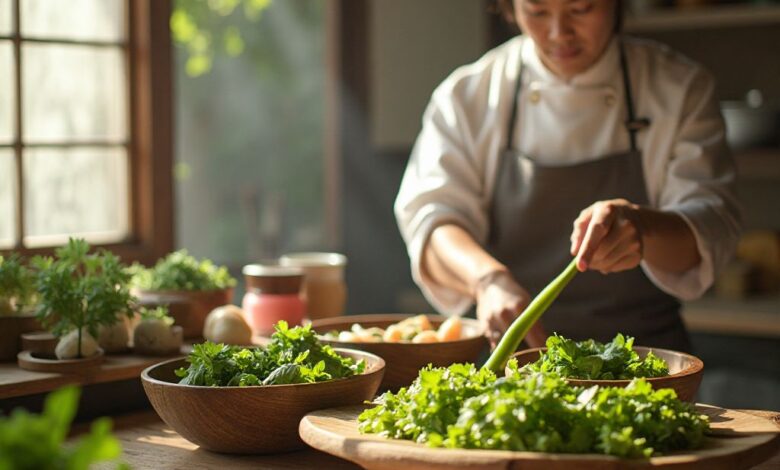
The Complete Guide to Cooking With Shiso Leaves in Japanese Cuisine
Imagine a single leaf that can taste like a vibrant symphony of mint, basil, cumin, and a surprising whisper of citrus, all at once. This isn’t a mythical plant from a forgotten land, but the humble yet extraordinary shiso leaf, a cornerstone of Japanese cuisine that promises to awaken your senses and transform your cooking. For years, I’ve watched chefs and home cooks alike discover the magic of shiso, witnessing their expressions shift from curiosity to pure delight with just one bite. It’s more than just an herb; it’s an experience, a flavor journey that invites you to explore the delicate balance and bold statements possible in the natural world.
Background and Context: The Soulful Story of Shiso
Known botanically as Perilla frutescens, shiso has a history as rich and layered as its flavor profile. Originating in mountainous regions of Southeast Asia and India, it made its way to China and then, centuries ago, became deeply woven into the culinary and medicinal fabric of Japan. In Japanese, it’s often referred to as ‘perilla,’ but specifically ‘shiso’ distinguishes it, with ‘aojiso’ for the vibrant green variety and ‘akajiso’ for its striking reddish-purple counterpart.
For millennia, shiso has been more than just a garnish. It’s been a symbol of freshness, a protector against foodborne illness, and a vibrant source of health. Its presence in traditional Japanese meals is a testament to its enduring significance, from wrapping delicate sashimi to infusing pickles with its distinctive hue and aroma. Beyond the kitchen, red shiso is famously used to color and flavor umeboshi (pickled plums) and beni shoga (pickled ginger), transforming them into iconic ruby-red delicacies. It’s not just about taste; it’s about cultural identity, health, and a deep respect for nature’s bounty that continues to resonate with people around the world today, as shiso finds its way into modern wellness trends and global gourmet kitchens.
Main Content: Mastering Shiso in Your Kitchen
Flavor Profiles: A Kaleidoscope of Taste
Understanding shiso begins with appreciating its distinct personalities:
- Green Shiso (Aojiso): This is the most common culinary variety. Its flavor is bright, intensely aromatic, and complex. You’ll taste notes of fresh mint, a hint of basil, a subtle peppery kick, and an intriguing whisper of cumin or anise, often finished with a clean, slightly citrusy zest. It’s refreshing and invigorating.
- Red Shiso (Akajiso): While sharing some underlying characteristics with green shiso, red shiso offers a more earthy, slightly astringent, and robust flavor. It has subtle plum or berry notes, and its primary role is often for its stunning color, especially in pickling, where it imparts a beautiful ruby hue and a deeper, fruitier tang.
Best Food Pairings: Shiso’s Perfect Partners
Shiso’s versatility makes it a beloved companion to a wide array of dishes:
- Raw Delights: Indispensable with sashimi and sushi, where its clean, peppery notes cut through the richness of fish. It’s also fantastic in salads, rice bowls, and as a fresh wrap for grilled meats or tofu.
- Grilled & Fried: Its robust flavor holds up well to grilling. Wrap it around chicken, fish, or vegetables before grilling. Shiso tempura is a revelation—the delicate crunch of the batter perfectly complements the herb’s fresh burst.
- Soups & Stews: Add torn shiso leaves at the very end of cooking to broths, miso soup, or noodle dishes for a fragrant finish.
- Dressings & Marinades: Finely chop shiso into vinaigrettes, marinades for fish or chicken, or mix with soy sauce and mirin for a quick dipping sauce.
- Pickles & Preserves: Red shiso is the star here, essential for authentic umeboshi and beni shoga, but green shiso can also be used for quick refrigerator pickles.
Cooking Techniques: Unleashing Shiso’s Potential
- As a Garnish: The simplest and most common use. Lay a fresh shiso leaf under sashimi or sushi, or chiffonade (thinly slice) it to sprinkle over noodle dishes, salads, or rice.
- Wraps: Use whole leaves to wrap grilled meats, fish, or vegetables, similar to lettuce wraps but with a powerful flavor punch.
- Infusion: Steep shiso leaves in hot water for a refreshing tea, or infuse into oils or vinegars for unique dressings.
- Light Cooking: Add shiso leaves to stir-fries or pan-fried dishes in the last minute of cooking to preserve their vibrant flavor and aroma.
- Pickling: For red shiso, rub it with salt to extract juices before adding to vegetables or fruits for pickling.
Step-by-Step Recipe: Shiso-Wrapped Chicken Skewers (Shiso Yakitori)
This simple recipe highlights shiso’s incredible ability to elevate everyday ingredients.
- Ingredients:
- 1 lb boneless, skinless chicken thighs, cut into 1-inch pieces
- 12-15 fresh green shiso leaves
- 1 tbsp soy sauce
- 1 tbsp mirin
- 1 tsp sake (optional)
- Pinch of sugar
- Wooden skewers, soaked in water for 30 minutes
- Vegetable oil for grilling
- Preparation:
- In a bowl, combine soy sauce, mirin, sake, and sugar to make a simple glaze.
- Take each piece of chicken and wrap it snugly with a shiso leaf.
- Thread 3-4 shiso-wrapped chicken pieces onto each skewer.
- Cooking:
- Heat a grill pan or outdoor grill to medium-high heat. Lightly brush with vegetable oil.
- Place the skewers on the grill. Cook for 3-4 minutes per side, turning occasionally, until the chicken is cooked through and lightly charred.
- During the last minute of cooking, brush the skewers generously with the glaze, turning to coat. The sugar in the glaze will caramelize quickly, so watch carefully.
- Serve: Garnish with extra chiffonade shiso if desired. Enjoy immediately!
Storage Tips: Keeping Shiso Fresh
- Short-Term (1 week): Treat shiso like delicate herbs. Wrap fresh leaves in a slightly damp paper towel, then place them in a sealed plastic bag or airtight container in the crisper drawer of your refrigerator.
- Long-Term (Freezing): While fresh is always best, you can freeze shiso. Blanch leaves briefly (30 seconds) in boiling water, then immediately plunge into ice water. Pat dry thoroughly, then stack and freeze in an airtight container or freezer bag. The texture will be softer upon thawing, best for cooked applications or dressings.
- Drying: Shiso can be dried, but much of its delicate aroma and flavor are lost. It’s generally not recommended for culinary use where its fresh vibrancy is key.
Substitution Options: When Shiso Isn’t Available
While shiso’s flavor is truly unique, if you’re in a pinch, you can try to mimic its characteristics with a blend:
- For Green Shiso: A combination of fresh mint and basil, perhaps with a tiny whisper of lemon zest or a very subtle pinch of ground cumin, can offer a somewhat similar aromatic profile. However, be aware that it won’t capture shiso’s full depth or specific peppery kick.
- For Red Shiso: Its color is hard to replicate naturally. For flavor, a mix of mint, basil, and a very small amount of plum or berry might come close, but the astringency and unique notes will be missing.
Ultimately, shiso stands alone. Its absence is often a reminder of its irreplaceable contribution to a dish.
Expert Insider Tips: Secrets from the Shiso Garden
- The Power of the Stem: Don’t discard shiso stems! While the leaves are the stars, the stems carry a subtle, earthy fragrance. Add them to broths or stocks for an underlying layer of complexity, removing them before serving.
- Shiso Salt Magic: For an incredible seasoning, finely chop red or green shiso leaves and mix them with flaky sea salt. Let it dry completely on a tray (you can use a dehydrator on low or simply air dry in a well-ventilated spot). This shiso salt is phenomenal sprinkled over grilled fish, rice, or even avocado toast. Consider using high-quality sea salt from brands like Frontier Co-op for the best results.
- Blossom Brilliance: If you grow your own shiso (which I highly encourage, Burpee Seeds often has great varieties!), don’t overlook the delicate shiso flowers (hojiso). They have a milder, more concentrated shiso flavor and make an exquisite, edible garnish for sashimi, salads, or even stirred into a vinaigrette.
- Rubbing for Release: When using shiso to wrap or marinate, gently rub the leaves between your palms for a few seconds before use. This slightly bruises the leaves, releasing their aromatic oils and intensifying their flavor in the dish.
- Shiso Syrup for Sips: Red shiso, in particular, makes a stunningly beautiful and delicious syrup. Simmer red shiso leaves with sugar and water, then strain. This syrup can be used to make refreshing sodas, cocktails, or a unique glaze for desserts.
Health and Wellness Benefits: Shiso’s Wholesome Embrace
Beyond its culinary prowess, shiso is a powerhouse of natural goodness, revered in traditional medicine for centuries. Modern research is now catching up, confirming what herbalists have long known:
- Antioxidant Rich: Shiso leaves, especially the red variety, are packed with antioxidants like anthocyanins (which give red shiso its color) and rosmarinic acid. These compounds help combat free radicals in the body, supporting cellular health and reducing oxidative stress.
- Anti-Inflammatory Properties: Studies suggest that shiso contains compounds that may help reduce inflammation, offering potential relief for conditions like allergies and asthma.
- Digestive Aid: Traditionally, shiso has been used to aid digestion and alleviate symptoms like bloating and nausea, particularly after consuming rich or raw foods.
- Nutrient Boost: Shiso is a good source of essential vitamins and minerals, including Vitamin A, Vitamin C, Vitamin K, calcium, and iron, contributing to overall well-being.
- Respiratory Support: In traditional medicine, shiso has been employed to help ease symptoms of colds, flu, and respiratory discomfort due to its soothing properties.
Incorporating shiso into your diet is a delicious way to naturally boost your health, a testament to nature’s profound wisdom.
Common Mistakes to Avoid When Cooking with Shiso
Even experienced cooks can make these common shiso missteps:
- Overcooking: The delicate, volatile oils that give shiso its unique flavor are easily destroyed by high heat and prolonged cooking. Always add shiso at the very end of cooking, or use it raw, to preserve its vibrant essence.
- Using Too Much: While sh