How to Package and Sell Homemade Herbal Tea Blends as a Small Business


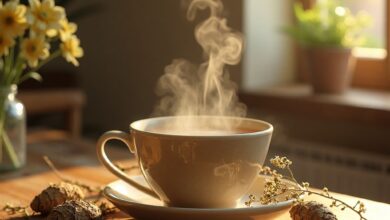
Oh, the gentle whisper of steam rising from a freshly brewed cup, carrying with it the fragrant promise of comfort, healing, and connection. Did you know that the simple act of brewing tea dates back nearly 5,000 years, born from an accidental discovery when dried leaves drifted into Emperor Shen Nung’s boiling water? That single, serendipitous moment blossomed into a global ritual, a balm for the soul, and a testament to the profound power held within the botanical world.
For me, the journey into herbs began a decade ago, drawn by the intricate dance of flavor and wellness. From crafting soothing tinctures to whipping up vibrant culinary delights, herbs have been my constant companions. But there’s a special magic in blending herbal teas – a direct pathway from nature’s bounty to a moment of pure bliss in a cup. And if you, like me, have dreamt of sharing your passion for plants with the world, transforming your lovingly crafted herbal blends into a thriving small business, then you’ve come to the right place. Let’s steep ourselves in the wisdom of bringing your herbal tea dreams to life.
The Ancient Brew, Reimagined for Today’s Soul
The story of tea is a rich tapestry woven through millennia and across continents. From the ceremonial matcha served in ancient Japanese temples to the robust chai savored in bustling Indian markets, and the delicate infusions of lavender and chamomile cherished in European apothecaries, tea has always been more than just a drink. It’s a ritual, a remedy, a symbol of hospitality, and a quiet moment of reflection.
While traditional teas like black, green, and oolong come from the *Camellia sinensis* plant, herbal teas—often called “tisanes”—are a diverse universe unto themselves. They are infusions made from the leaves, flowers, roots, seeds, and bark of countless other plants. This distinction is crucial, as it opens up an expansive realm of possibilities for flavor, aroma, and therapeutic benefit. Throughout history, cultures worldwide have turned to herbal infusions for everything from aiding digestion to calming frayed nerves, boosting immunity, and simply enjoying a delightful, caffeine-free beverage. Think of the calming embrace of a chamomile blend before bed, or the invigorating zing of a peppermint and ginger infusion after a meal. This enduring global love affair with herbal teas isn’t just a trend; it’s a deep-seated appreciation for nature’s gifts, a desire for natural wellness, and a craving for authentic, sensory experiences that resonate deeply in our modern, often hurried, lives. And this is precisely why crafting and selling your own herbal tea blends holds such incredible potential today.
Crafting Your Herbal Tea Business: From Blend to Brand
Embarking on the journey of selling your homemade herbal tea blends is an exciting adventure that combines creativity, meticulous planning, and a genuine love for herbs. Here’s how to navigate the path from your kitchen to your customers’ cups.
Sourcing Your Sacred Ingredients
The soul of your tea lies in the quality of your herbs. Just as a master chef insists on the freshest produce, an herbalist demands the finest botanicals. Always prioritize organic, ethically sourced, and high-quality dried herbs. This isn’t just about taste; it’s about efficacy and safety. Look for reputable bulk herb suppliers who can provide certificates of analysis for their products, ensuring purity and potency.
-
Reputable Suppliers:
For consistent quality and a vast selection, I often turn to trusted names like Mountain Rose Herbs or Frontier Co-op. They offer a wide range of organic, sustainably sourced herbs in bulk, perfect for a growing small business. You might also find local organic farms or apothecaries that offer exceptional regional herbs.
-
Quality Check:
When your herbs arrive, inspect them. Are they vibrant in color? Do they have a potent, fresh aroma? Are they free from dust or debris? This initial quality control step is non-negotiable.
Crafting Your Signature Blends: A Symphony of Flavors and Benefits
This is where your artistry truly shines! Developing unique, delicious, and effective blends is key to standing out. Think about the experience you want to create for your customers.
-
Flavor Profiles:
Experiment with different categories – floral (lavender, rose), minty (peppermint, spearmint), spicy (ginger, cinnamon, cardamom), citrusy (lemon peel, lemongrass), earthy (dandelion root, burdock), and fruity (hibiscus, elderberry). Aim for balance. A good blend usually has a base herb, a complementary herb, and an accent herb.
-
Health Intentions:
Many popular herbal teas are known for specific benefits. Consider blends for relaxation (chamomile, lemon balm, passionflower), digestion (peppermint, ginger, fennel), immune support (elderberry, echinacea, rose hips), or energy (rosemary, ginseng – though be mindful of caffeine content if aiming for caffeine-free).
-
Unique Combinations:
Don’t be afraid to innovate! Perhaps a “Forest Walk” blend with pine needles, rosemary, and juniper berries, or a “Sunset Glow” with hibiscus, orange peel, and a touch of vanilla bean. Brands like Celestial Seasonings and Yogi Tea have built empires on distinctive, well-marketed blends.
Packaging Perfection: Your Brand’s First Impression
Your packaging is your silent salesperson. It needs to protect your precious herbs, convey your brand’s story, and attract your ideal customer.
-
Types of Packaging:
- Loose Leaf: Stand-up pouches (kraft paper, compostable materials), tins, or glass jars are popular. Ensure they are airtight to preserve freshness.
- Tea Bags: If you opt for tea bags, choose unbleached, biodegradable, and compostable materials. Consider pyramid sachets for better infusion.
-
Materials & Aesthetics:
Think about your brand identity. Is it rustic and natural? Sleek and modern? Whimsical and artistic? High-quality, food-grade materials are essential. Consider eco-friendly options to appeal to conscious consumers.
Labeling Essentials: Informative, Inviting, and Legal
Your label is critical for customer information, branding, and legal compliance.
-
Legal Requirements:
In many regions (including the US), you’ll need to list:
- Product Name (e.g., “Calm & Cozy Herbal Tea”)
- Net Weight (in ounces and grams)
- Ingredient List (common name, in descending order by weight)
- Your Business Name and Address
- “Herbal Supplement” or “Herbal Tea” designation (be careful with health claims!)
-
Branding & Storytelling:
Beyond the legal necessities, your label is a canvas for your brand. Include your logo, a brief description of the blend’s benefits or inspiration, brewing instructions (e.g., “Steep 1 tsp per 8 oz hot water for 5-7 minutes”), and perhaps a “Best By” date.
Pricing Your Passion: Value and Viability
Determining the right price for your teas is a delicate balance of covering your costs, valuing your time, and appealing to your market.
-
Cost Analysis:
Calculate your Cost of Goods Sold (COGS) per unit, including herbs, packaging, labels, and any other direct materials. Don’t forget to factor in your labor and overhead (e.g., kitchen space, utilities).
-
Market Research:
Look at competitors like Harney & Sons, Twinings, and other artisanal tea brands. Where do your blends fit in terms of quality, uniqueness, and price point?
-
Perceived Value:
High-quality ingredients, beautiful packaging, and a compelling brand story justify a premium price. Don’t undervalue your craft!
Marketing Your Magic: Sharing Your Story
How will people discover your delightful blends? Marketing is about connecting with your audience.
-
Online Presence:
Create an attractive website or an Etsy shop. Use high-quality photos that evoke the sensory experience of your teas. Leverage social media (Instagram, Pinterest) with beautiful visuals and engaging stories about your herbs and process.
-
Local Markets:
Farmers’ markets, craft fairs, and local boutiques are excellent places to connect directly with customers, offer samples, and build a local following.
-
Storytelling:
Share the inspiration behind your blends, the journey of the herbs, and your passion. People buy stories and experiences, not just products.
Legal & Regulatory Compliance: Brewing Responsibly
This is the less glamorous but absolutely essential part of your business journey.
-
Business Registration:
Register your business name and structure (sole proprietorship, LLC, etc.) with your state or local authorities.
-
Food Safety & Permits:
Research your local “cottage food laws.” Many states allow certain low-risk food products (like dried herbs) to be prepared and sold from a home kitchen, but there are often specific requirements regarding labeling, sales limits, and kitchen inspections. If you plan to scale, you might need to use a commercial kitchen. Always adhere to good manufacturing practices (GMPs) for cleanliness and hygiene.
-
Health Claims:
Be extremely cautious about making medicinal claims about your teas. The FDA regulates these. Stick to general wellness statements (e.g., “supports relaxation,” “promotes digestion”) rather than promising to cure, treat, or prevent diseases.
Expert Insider Tips from the Herbalist’s Nook
After years of working with herbs and witnessing countless small businesses flourish, I’ve gathered a few insights that can truly make a difference:
-
The Power of a Consistent Blend Profile:
Once you’ve perfected a blend, document it meticulously! Exact measurements, sourcing specifics, and blending order. Inconsistency is a quick way to lose customer trust. Batch testing is your friend.
-
Don’t Underestimate the Scent Test:
Before you even brew, the aroma of your dry blend sets an expectation. A good herbal tea should smell inviting, fresh, and harmonious. If it smells dusty or unbalanced in the bag, it likely won’t improve in the cup.
-
Educate Your Customers (Subtly):
Beyond brewing instructions, offer a tiny tidbit about one key herb in the blend. For example, “Chamomile, revered for centuries for its gentle calming properties.” This adds value and depth to their experience, making them feel connected to the plant wisdom.
-
Embrace Sustainability Beyond Organic:
Look into suppliers who not only offer organic but also fair trade, wildcrafted, or locally grown herbs. This not only enhances your brand story but contributes to a healthier planet. Consider biodegradable packaging alternatives to stand out in a crowded market.
-
Build a Community, Not Just a Customer Base:
Engage with your customers. Ask for feedback, share stories about your herbal journey, and create a sense of belonging. This fosters loyalty far beyond the transaction.
The Gentle Gifts of Herbal Teas: Wellness in Every Sip
Beyond their delightful flavors and aromas, herbal teas are veritable powerhouses of natural wellness, a legacy passed down through generations. Modern research increasingly validates what traditional herbalists have known for centuries.
-
Stress Relief & Relaxation:
Herbs like chamomile, lemon balm, and passionflower are renowned for their calming effects, helping to soothe the nervous system and promote restful sleep. A warm cup of one of these blends can be a beautiful ritual to unwind after a long day.