Why Pruning Your Herbs Regularly Makes Them Grow Bigger and Faster


Oh, the sheer delight of stepping into your garden and plucking a sprig of rosemary, its piney aroma instantly transporting you to a sun-drenched Mediterranean kitchen. Or perhaps it’s the gentle rub of mint leaves, releasing a cool, invigorating scent that promises a refreshing mojito or a soothing cup of tea. But what if I told you that the secret to an even more abundant, fragrant, and flavorful herb harvest lies in an act that might feel counterintuitive at first: regularly snipping away at your beloved plants?
Yes, it’s true! The simple, consistent practice of pruning your herbs doesn’t just keep them tidy; it’s a powerful catalyst that encourages them to grow bigger, faster, and with far more vigor than you ever imagined. As an herbalist who has spent a decade coaxing life and flavor from countless plants, I’ve seen firsthand the transformative magic of a well-placed snip. Let’s dive into the fascinating world of herbal horticulture and uncover why a little strategic trim is the best gift you can give your green-leafed friends.
The Ancient Wisdom of Abundance: Why Pruning Matters
The practice of pruning plants for improved yield and vitality is not a modern gardening fad; it’s a time-honored tradition woven into the fabric of human agriculture for millennia. From ancient Roman vineyards carefully managed for superior wine grapes to indigenous cultures tending their medicinal plants, our ancestors understood that plants, much like people, thrive with a bit of thoughtful guidance. They observed that removing certain parts encouraged new, stronger growth, leading to more flowers, fruits, and, in our case, more aromatic leaves.
This wisdom persists today, not just in large-scale farming but in the humble backyard herb patch. Pruning, in essence, is a conversation with your plant, a gentle nudge telling it where to direct its precious energy. It matters to us today because, in our quest for fresh, wholesome ingredients and a deeper connection to nature, a flourishing herb garden offers an unparalleled bounty. It’s about cultivating not just plants, but a lifestyle of freshness, flavor, and self-sufficiency that resonates deeply in our modern world.
The Science Behind the Snip: How Pruning Boosts Growth
At its heart, pruning is about redirecting a plant’s energy. Here’s the fascinating science at play:
Apical Dominance: Breaking the Top’s Hold
Most plants exhibit a phenomenon called “apical dominance.” This means the main central stem, or “apical meristem,” produces a hormone called auxin, which inhibits the growth of side shoots (lateral buds) further down the stem. This is why many herbs tend to grow tall and leggy with sparse foliage if left unpruned.
When you prune or “pinch back” the top of an herb, you remove the source of this auxin hormone. This signals the plant to stop sending all its energy upwards and instead encourages the lateral buds to break dormancy and grow. The result? Instead of one tall stem, you get multiple new stems branching out, leading to a bushier, denser plant with significantly more leaves.
Energy Redirection and Photosynthesis
Every part of a plant requires energy to maintain itself. Older, lower leaves, or stems that are leggy and unproductive, still consume resources. By removing these less efficient parts, you allow the plant to redirect its energy and nutrients towards producing new, vigorous growth that is more efficient at photosynthesis (converting sunlight into energy). More efficient photosynthesis means more energy for growth, leading to a bigger, faster-growing plant.
Improved Air Circulation and Light Penetration
A dense, unpruned herb plant can become a tangled mess, especially in humid conditions. Overcrowded foliage restricts airflow, creating a damp environment ripe for fungal diseases like powdery mildew. Pruning opens up the plant’s canopy, allowing air to circulate freely and sunlight to reach inner leaves. This not only keeps the plant healthier but also encourages growth in areas that might have been shaded out.
Preventing Bolting and Enhancing Flavor
Many culinary herbs, particularly annuals like basil, cilantro, and dill, are programmed to flower and produce seeds once they reach a certain maturity. This process, known as “bolting,” often coincides with a decrease in leaf production and a change in flavor (often becoming bitter). Regular pruning, especially pinching off flower buds as they form, tricks the plant into staying in its vegetative growth phase longer. It keeps trying to produce leaves to fulfill its reproductive duty, resulting in a prolonged harvest of flavorful foliage. For perennials like rosemary or sage, while bolting isn’t the same concern, removing spent flowers still encourages the plant to put energy into leaf production rather than seed development.
Mastering the Art of Herb Pruning: Techniques and Tips
Pruning doesn’t have to be intimidating. Think of it as a gentle partnership with your plant. Here’s how to do it right:
The Right Tools for the Job
- Sharp Snips or Scissors: For delicate herbs like basil, mint, or cilantro, small, sharp kitchen shears or dedicated herb snips work perfectly.
- Hand Pruners: For woody herbs like rosemary, sage, thyme, or oregano, a good pair of bypass pruners will make clean cuts without crushing the stems. Look for quality tools that stay sharp, like those from Fiskars or Felco.
- Cleanliness is Key: Always sterilize your tools with rubbing alcohol before and after pruning to prevent the spread of diseases.
When to Prune
- Start Early: Begin pruning when your herb plants are young, just a few inches tall, to encourage bushiness from the start.
- Regularly and Routinely: For most leafy herbs, aim to prune every 1-2 weeks during their active growing season. Think of it as a continuous harvest.
- Before Flowering: For herbs prone to bolting (basil, cilantro), prune frequently to prevent flower formation. If you see flower buds, snip them off immediately.
- After Flowering (for some): For herbs like lavender or sage, a trim after flowering can tidy the plant and encourage a second flush of blooms or fresh foliage.
How to Prune Different Herb Types
Leafy, Non-Woody Herbs (Basil, Mint, Cilantro, Parsley, Marjoram)
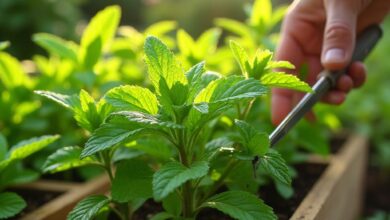
- The “Pinch Back” Method: This is your go-to technique. Locate a stem with at least two sets of leaves. Pinch or snip just above a leaf node (where leaves emerge from the stem). This encourages two new stems to grow from that node.
- For Bushiness: Always prune from the top down. Don’t just pick individual leaves from the bottom. Taking the top encourages the plant to branch out.
- Harvesting as Pruning: When harvesting, treat it as pruning. Need some basil for pesto? Snip whole stems, not just leaves. Aim to remove about one-third of the plant’s growth at a time.
Woody Herbs (Rosemary, Sage, Thyme, Oregano, Lavender)
- Avoid the “Old Wood”: With woody herbs, be cautious not to cut into the thick, woody stems that have no leaves. This “old wood” often doesn’t regrow, and you could damage the plant.
- Shape and Trim: Focus on shaping the plant, removing leggy or unruly branches, and encouraging new growth. Snip just above a leaf node on green or semi-woody stems.
- Annual Trim: Give woody herbs a more substantial trim in early spring to encourage vigorous new growth. You can remove up to one-third of the plant’s size.
- Rosemary Example: For a beautiful, bushy rosemary plant, regularly snip the tips of the branches. This keeps it from becoming leggy and woody too quickly.
Specific Herb Pruning Notes
- Basil: Pinch above the second or third set of leaves when the plant is 6-8 inches tall. Continue pinching regularly. Don’t let it flower!
- Mint: Aggressive pruning is key for mint. Cut back entire stems to just above the ground regularly, especially if growing in containers. This keeps it vigorous and prevents it from becoming straggly.
- Thyme/Oregano: Shear back after flowering or when they get leggy. This encourages new, tender growth.
- Parsley: Harvest outer stems from the base. This allows the inner, younger leaves to develop.
Expert Insider Tips for a Thriving Herb Garden
- The “One-Third Rule” for Harvest Pruning: When harvesting, aim to remove no more than one-third of the plant’s total foliage at any one time. This ensures the plant has enough leaves left to photosynthesize and recover quickly, preventing shock and promoting continuous growth.
- Timing Your Major Prune for Perennials: For woody perennials like rosemary, sage, or lavender, the best time for a more substantial “renewal” prune is in early spring, just as new growth is emerging. This allows the plant to put all its spring energy into developing new, healthy stems and leaves. Avoid heavy pruning in late fall, as new growth might be damaged by winter frosts.
- Don’t Waste the Cuttings: Every snip is a culinary opportunity! Use your pruned herbs immediately in your cooking, dry them for later use (a great way to preserve the bounty from your Mountain Rose Herbs or Frontier Co-op bulk purchases!), or even propagate new plants from healthy cuttings. Basil, mint, and rosemary are particularly easy to root in a glass of water.
- Consider Container Size: While not directly about pruning, the size of your container significantly impacts how much an herb can grow. If you’re diligently pruning but your plant isn’t getting “bigger,” it might be root-bound. A happy herb, especially one you’re pruning for maximum yield, needs room to grow. For larger herbs, consider using a substantial pot, perhaps an 8-12 inch diameter, and ensure your potting mix is rich and well-draining, like a good quality organic blend.
- Feed Your Pruned Plants: Pruning stimulates growth, and growth requires nutrients. After a significant pruning session, especially for container-grown herbs, give your plants a boost with a balanced, organic liquid fertilizer. Something gentle like diluted fish emulsion or a compost tea can work wonders, ensuring they have the fuel to produce all that wonderful new foliage.
Health and Wellness Benefits of a Prolific Herb Garden
Beyond the sheer joy of cooking with fresh, vibrant flavors, a thriving herb garden, fueled by regular pruning, offers a cascade of wellness benefits. Having abundant herbs means you have constant access to nature’s pharmacy and pantry. Fresh herbs are packed with vitamins, minerals, and potent antioxidants far more concentrated than their dried counterparts. Imagine topping your salad with a generous handful of homegrown parsley (rich in Vitamin K and C) or brewing a soothing tea with fresh lemon balm (known for its calming properties) every evening.
The act of gardening itself is incredibly therapeutic. Spending time outdoors, connecting with living plants, and watching them flourish under your care is a proven stress reliever, boosting mood and fostering a sense of accomplishment. Plus, by growing your own, you control what goes into your body, avoiding pesticides and ensuring peak freshness. It’s a holistic approach to wellness, from the soil to your plate, enriching both body and spirit.
Common Mistakes to Avoid When Pruning Herbs
Even seasoned gardeners make mistakes, but knowing what to avoid can save your beloved herbs:
- Not Pruning Enough: The most common mistake! Fear of “hurting” the plant often leads to leggy, sparse, and less flavorful herbs. Be brave with your snips!
- Cutting into Old Wood (for woody herbs): As mentioned, woody herbs like rosemary or lavender often don’t regrow from old, leafless stems. Always aim for green or semi-woody growth.
- Pruning Too Much at Once: While you want to prune regularly, don’t remove more than one-third of the plant’s foliage at a single time, especially for smaller plants. This can shock the plant and hinder recovery.
- Ignoring Flower Buds on Annuals: Letting basil or cilantro go to flower signals the end of their leafy production. Snip those buds off as soon as you see them.
- Using Dull or Dirty Tools: Dull tools tear stems, making the plant susceptible to disease. Dirty tools can spread pathogens. Always use clean, sharp pruners.
- Pruning in Late Fall (for some perennials): For tender perennials, pruning too heavily late in the season can stimulate new growth that won’t have time to harden off before winter, making the plant vulnerable to frost damage.
Safety and Precautions in Your Herb Garden
While pruning herbs is generally a safe and beneficial practice, a few common-sense precautions ensure a happy and healthy gardening experience:
- Wear Gloves: Some herbs, like mint, can irritate sensitive skin, and gardening itself can lead to cuts or scratches. A good pair of gardening gloves protects your hands.
- Identify Your Herbs Correctly: Always be sure of the herb you’re pruning and consuming. While this article focuses on common culinary herbs, mis