
Introduction
Herbal tea is one of the simplest drinks people enjoy around the world. It is easy to make, gentle in flavor, and does not require special tools. For beginners, herbal tea can feel confusing because there are many plants and names to learn. This Beginner’s Guide to Herbal Teas and Their Uses is written to make everything clear and easy.
You do not need prior knowledge of tea, herbs, or gardening. This guide explains what herbal teas are, why people enjoy them, and how to use them in everyday life.
What This Topic Means (Simple Explanation)
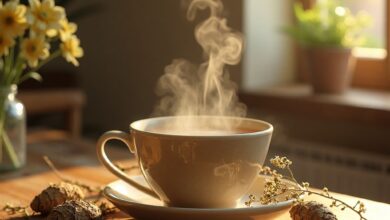
Herbal tea is a drink made by soaking leaves, flowers, seeds, or roots from plants in hot water. Unlike traditional tea, herbal tea does not come from tea leaves.
In simple terms, this Beginner’s Guide to Herbal Teas and Their Uses helps you understand which herbs are commonly used for tea and how people enjoy them as part of daily routines.
Why This Is Important
Understanding herbal teas is useful for many everyday reasons:
- You have more drink options besides coffee or soda
- You can use herbs from your garden or kitchen
- Herbal teas are simple to prepare
- Flavors can be enjoyed hot or cold
- Tea drinking can be part of a calm daily habit
For home gardeners and tea drinkers, learning about herbal teas helps them use plants in simple, enjoyable ways.
Common Types or Examples
There are many herbs used for tea. Below are some popular and beginner-friendly options.


Chamomile
Chamomile tea has a light, floral taste. It is made from small dried flowers and is popular for its gentle flavor.
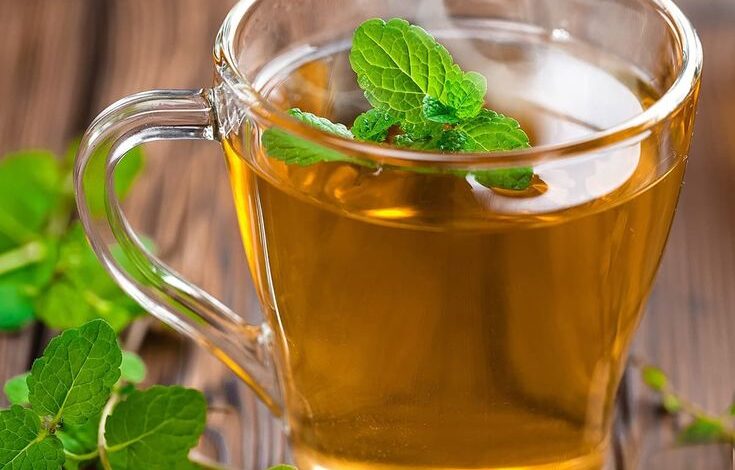
Mint
Mint tea tastes fresh and cool. It is made from mint leaves and can be enjoyed hot or cold.
Ginger
Ginger tea has a warm, slightly spicy taste. It is made from sliced or crushed ginger root.
Hibiscus
Hibiscus tea has a bright color and a tart, fruity taste. It is often enjoyed chilled.
Lemongrass
Lemongrass tea has a light citrus flavor. It is refreshing and simple to prepare.
Rooibos
Rooibos tea has a smooth, earthy taste. It is made from a plant and does not contain tea leaves.
These are common examples used in a Beginner’s Guide to Herbal Teas and Their Uses because they are easy to find and prepare.
How to Use or Apply This in Daily Life
Making herbal tea is simple and beginner-friendly.
Step 1: Choose your herb
Start with one herb you recognize or enjoy the smell of.
Step 2: Prepare the herb
- Fresh herbs: rinse gently
- Dried herbs: measure a small amount
Step 3: Heat water
Bring water to a boil, then let it cool slightly.
Step 4: Steep the herb
Place the herb in a cup or teapot. Pour hot water over it. Cover and wait a few minutes.
Step 5: Strain and enjoy
Remove the herbs. Drink plain or add a little honey or lemon if desired.
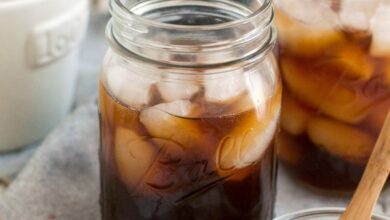
Herbal teas can also be chilled and enjoyed cold.
Tips for Beginners
These tips make learning easier:
- Start with mild-tasting herbs
- Use clean water and containers
- Try one herb at a time
- Keep notes on flavors you like
- Store dried herbs in dry containers
This Beginner’s Guide to Herbal Teas and Their Uses focuses on simple enjoyment, not perfection.
Common Mistakes to Avoid
Beginners often make small mistakes that affect flavor.
Using too much herb
Too much can make tea taste strong or bitter.
Steeping too long
Long steeping can change the flavor.
Mixing many herbs at once
This can confuse taste. Start simple.
Using old herbs
Old herbs lose smell and flavor.
Not covering the cup while steeping
Covering helps keep aroma inside.
Avoiding these mistakes improves results quickly.
Safety and Usage Notes
Herbal teas are meant for everyday enjoyment as drinks.
- Use herbs meant for food and drinks only
- Wash fresh herbs before use
- Store herbs away from moisture
- Do not use plants you cannot identify
- Discard herbs that smell unpleasant or look spoiled
This section is educational only and focuses on safe kitchen use.
Frequently Asked Questions (FAQs)
Are herbal teas the same as regular tea?
No. Herbal teas are made from plants, not tea leaves.
Can herbal tea be made with fresh herbs?
Yes. Fresh and dried herbs both work.
Do herbal teas contain caffeine?
Most herbal teas do not contain caffeine.
Can I drink herbal tea cold?
Yes. Many herbal teas taste good chilled.
Can I grow herbs for tea at home?
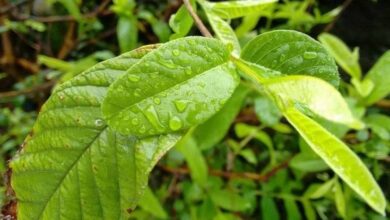
Yes. Many tea herbs grow well in small pots or gardens.
Conclusion
This Beginner’s Guide to Herbal Teas and Their Uses shows that herbal tea does not need to be complicated. It is simply a way to enjoy plant flavors in warm or cold water.
Start with one herb. Keep the steps simple. Taste and explore slowly. With time, herbal teas can become an enjoyable part of everyday life, whether you grow your own herbs or buy them ready to use.