

Introduction
Hair care routines have included herbs for centuries across many cultures. Long before modern hair products, people relied on plants to cleanse the scalp, condition hair, and improve overall hair appearance. Even today, many traditional herbs are still used in simple, natural hair care practices.
For beginners, it can be confusing to know which herbs are commonly associated with hair care and how they are traditionally used. This article explains herbs traditionally used for hair care and scalp health in a clear, educational, and beginner-friendly way.
What This Topic Means (Simple Explanation)
Herbs used for hair care and scalp health are plants traditionally applied to the hair or scalp, or infused into oils, rinses, and pastes as part of grooming routines.
In simple terms:
- These herbs are used externally on hair or scalp
- They are part of traditional beauty and grooming practices
- They are not medicines or treatments
- They focus on cleanliness, comfort, and appearance
This article focuses on traditional and everyday use, not medical or cosmetic claims.
Why This Is Important
Understanding traditional hair care herbs is useful for several reasons.
First, it helps you explore natural hair care options.
Second, it encourages gentle, routine-based hair practices.
Third, it provides alternatives to heavily scented or complex products.
Fourth, it helps beginners choose simple herbs safely.
Finally, it connects modern routines with long-standing traditions.
Herbal hair care is often about consistency and gentle care rather than quick changes.
Common Types or Examples
Below are well-known herbs that have been traditionally used in hair care and scalp routines across different cultures.
Amla (Indian Gooseberry)
Amla has a long history in traditional hair care.
Traditional uses:
- Hair oils
- Hair masks
- Herbal rinses
Why it is commonly used:
- Popular in traditional grooming routines
- Often combined with oils
- Used for general hair maintenance
Aloe Vera

Aloe vera is widely used in personal care.
Traditional uses:
- Scalp gels
- Hair masks
- Conditioning treatments
Why it is commonly used:
- Cooling and soothing feel
- Light texture
- Easy to apply
Aloe vera is often used fresh or in gel form.
Bhringraj

Bhringraj is traditionally associated with hair care.
Traditional uses:
- Infused hair oils
- Herbal pastes
Why it is commonly used:
- Long history in hair-focused routines
- Often blended with other herbs
It is commonly found in traditional oil preparations.
Neem

Neem has been used in grooming traditions for generations.
Traditional uses:
- Herbal rinses
- Scalp washes
Why it is commonly used:
- Strong, earthy aroma
- Traditionally used for scalp cleanliness
Neem is often used in diluted or blended forms.
Rosemary
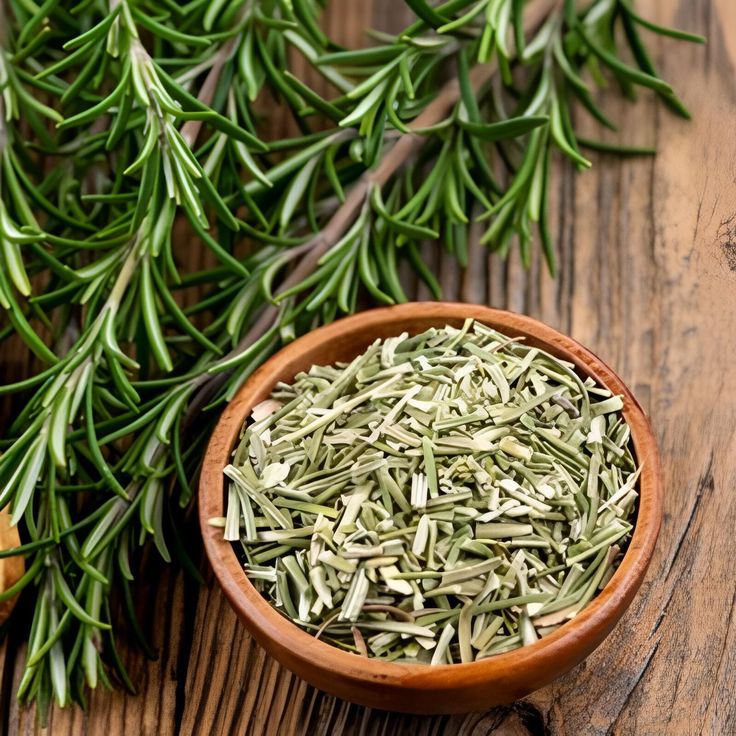
Rosemary is widely used in traditional European grooming.
Traditional uses:
- Hair rinses
- Infused oils
Why it is commonly used:
- Fresh herbal aroma
- Common in natural hair care recipes
Rosemary is usually infused rather than applied directly.
Hibiscus
Hibiscus flowers and leaves are traditionally used in hair care.
Traditional uses:
- Hair masks
- Herbal pastes
Why it is commonly used:
- Soft texture when prepared
- Often combined with oils
Hibiscus is popular in traditional hair conditioning practices.
Fenugreek
Fenugreek seeds are commonly used in hair routines.
Traditional uses:
- Soaked seed pastes
- Hair masks
Why it is commonly used:
- Thick texture when soaked
- Often used in traditional hair packs
Fenugreek is usually soaked before use.
Sage
Sage has a long history in grooming traditions.
Traditional uses:
- Herbal rinses
- Hair washes
Why it is commonly used:
- Aromatic herb
- Traditionally used in dark hair rinses
Sage is typically used as a mild infusion.
Shikakai
Shikakai is traditionally used as a natural cleanser.
Traditional uses:
- Herbal hair wash powders
- Cleansing pastes
Why it is commonly used:
- Long-standing use as a hair cleanser
- Often blended with other herbs
Shikakai is used externally and rinsed out.
How to Use or Apply This in Daily Life
Traditional hair care herbs are usually used in simple, gentle ways.
Step 1: Choose One Herb
Beginners should start with one herb at a time.
Good starting choices:
- Aloe vera
- Rosemary
- Amla
This helps you observe how your hair responds.
Step 2: Use Simple Preparations
Traditional methods are often basic.
Common preparation styles:
- Infused oils
- Herbal rinses
- Pastes or masks
Keep preparation simple and gentle.
Step 3: Apply Gently
When using herbs on hair or scalp:
- Massage gently
- Avoid harsh rubbing
- Rinse thoroughly
Gentle application supports comfort.
Step 4: Use Occasionally, Not Excessively
Traditional hair care is usually done weekly or occasionally.
Avoid overuse, especially when starting out.
Step 5: Be Consistent
Consistency matters more than frequency.
Simple, regular routines are common in traditional practices.
Tips for Beginners
These tips help beginners use hair care herbs safely and comfortably.
- Always test on a small area first
- Start with diluted or mild preparations
- Use clean tools and containers
- Avoid mixing many herbs at once
- Rinse hair thoroughly
- Pay attention to comfort and feel
- Keep routines simple
Common Mistakes to Avoid
Avoiding these mistakes helps prevent discomfort or confusion.
Using Undiluted or Strong Preparations
Some herbs are strong and should be diluted.
Leaving Herbs on Too Long
Long exposure may cause dryness or discomfort.
Expecting Immediate Changes
Herbal hair care is gradual and routine-based.
Mixing Too Many Herbs
Simple routines are easier to manage and understand.
Ignoring Hair Type Differences
Not all herbs suit every hair type.
Safety and Usage Notes
Herbs discussed here are for external hair care use only.
- Do not ingest hair care herbs unless clearly intended for food use
- Avoid contact with eyes
- Stop use if irritation occurs
- Use herbs you can clearly identify
- Store herbs properly
- This article is educational, not medical advice
If you have scalp conditions or concerns, seek professional guidance.
Frequently Asked Questions (FAQs)
Are these herbs safe for all hair types?
Many are widely used, but results vary by hair type.
Can I use these herbs daily?
Most traditional routines use them occasionally, not daily.
Should I use fresh or dried herbs?
Both are used traditionally, depending on availability.
Can I mix herbs together?
Yes, but beginners should start with single herbs.
Do herbal hair routines replace regular washing?
They are often used alongside regular washing routines.
How long before noticing changes?
Herbal hair care focuses on long-term routine rather than quick results.
Conclusion
Herbs have played an important role in traditional hair care and scalp routines across cultures. Herbs such as aloe vera, amla, rosemary, hibiscus, and neem are commonly used in gentle, external applications focused on cleanliness, comfort, and hair appearance.
For beginners, the best approach is to start simple. Choose one herb, use a mild preparation, and observe how your hair responds over time. With patience and consistency, traditional hair care herbs can become a calm and enjoyable part of a natural grooming routine.