How to Make a Beautiful Rose Petal and Herb Tea That Tastes Like Luxury

The Secret to a Soul-Soothing Brew: How to Make a Beautiful Rose Petal and Herb Tea That Tastes Like Luxury
Imagine a whisper of a summer garden, a delicate kiss of floral sweetness, and a soothing warmth that settles deep within your soul. This isn’t just any tea; it’s an experience, a moment of pure, unadulterated luxury crafted right in your own kitchen. For years, I’ve guided countless readers through the enchanting world of herbs, and today, I’m thrilled to share a recipe that transcends the ordinary: a rose petal and herb tea blend so exquisite, it feels like a spa day in a mug. Did you know that the simple act of brewing certain herbs can profoundly shift your mood, calm your mind, and even nourish your skin? Get ready to unlock the secrets to a truly sublime cup.
A Timeless Elixir: The Rich History of Rose and Herbal Teas
The story of rose petals and herbal infusions is as old as civilization itself, weaving through cultures, traditions, and healing practices across millennia. Long before the modern tea bag, humanity embraced the power of botanicals to soothe, heal, and delight the senses. Roses, in particular, hold a revered place. Originating in ancient Persia, where they were cultivated for their exquisite fragrance and medicinal properties, rose petals quickly became a symbol of love, beauty, and spiritual devotion. From the opulent baths of Rome to the intricate alchemical preparations of medieval Europe, and the sophisticated culinary traditions of the Middle East, rose has been celebrated as both a potent medicine and a luxurious indulgence.
In traditional Chinese medicine and Ayurveda, rose is esteemed for its ability to balance emotions, support digestion, and promote radiant skin. Its cooling and calming properties were believed to soothe a “hot” temperament and bring harmony to the heart. Similarly, many of the herbs we’ll explore today – like lavender, lemon balm, and chamomile – boast their own rich histories, used by healers and homemakers alike for their diverse therapeutic benefits. Today, as we navigate a world often overwhelmed by stress, the ancient wisdom of herbal teas offers a simple yet profound way to reconnect with nature, practice self-care, and find moments of tranquility. Brewing a rose petal and herb tea isn’t just about making a drink; it’s about participating in a timeless ritual that nourishes the body, mind, and spirit, bringing a touch of history and luxury into our modern lives.
Crafting Your Luxurious Rose Petal and Herb Tea: The Ultimate Blend
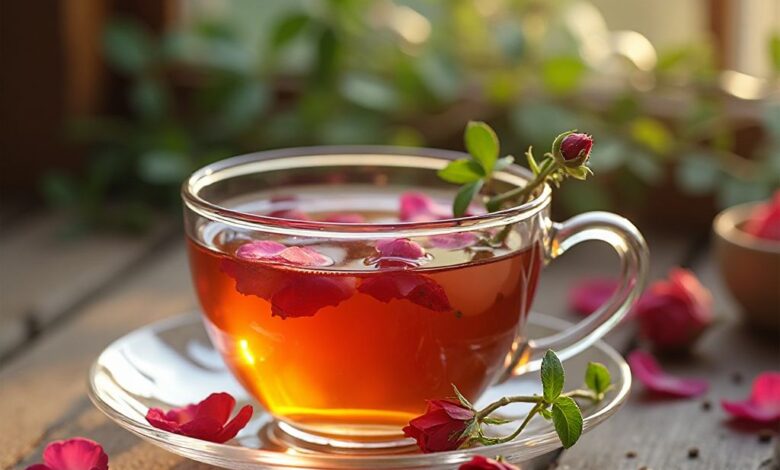
Creating a truly luxurious rose petal and herb tea is an art, a dance of flavors and aromas designed to transport you. Forget those dusty, bland herbal teas you might have encountered. We’re aiming for vibrant, fresh, and deeply satisfying. This recipe combines the delicate sweetness of rose with the calming notes of lavender and the bright, uplifting zest of lemon balm, creating a symphony of flavor that truly tastes like luxury.
The Perfect Blend: Ingredients and Measurements
- 2 tablespoons dried organic culinary rose petals: These are the stars of our show! Ensure they are specifically for culinary use to avoid pesticides. I always recommend sourcing from reputable suppliers like Mountain Rose Herbs or Frontier Co-op for their superior quality and commitment to organic integrity.
- 1 tablespoon dried organic lavender flowers: Choose buds that are vibrant purple and highly aromatic.
- 1 teaspoon dried organic lemon balm leaves: Look for bright green, fragrant leaves.
- 4 cups filtered water: Quality water is crucial for a clean, pure taste.
- Optional additions: 1-2 teaspoons raw honey or maple syrup, a slice of fresh lemon, or a few fresh rose petals for garnish.
Brewing Instructions: A Step-by-Step Guide to Perfection
The beauty of this tea lies in its simplicity, but a few precise steps will elevate it from good to absolutely divine.
- Gather Your Herbs: In a heat-safe teapot or a large glass measuring cup, combine the dried rose petals, lavender flowers, and lemon balm leaves. Give them a gentle sniff – isn’t that aroma already enchanting?
- Heat the Water (But Don’t Boil!): This is a critical step for delicate floral teas. Heat your filtered water to just below boiling, around 195-205°F (90-96°C). A rolling boil can “cook” the delicate essential oils of the petals and herbs, resulting in a duller flavor and aroma. If you don’t have a temperature-controlled kettle, simply bring the water to a boil and then let it sit for about 30 seconds off the heat before pouring.
- Pour and Steep: Carefully pour the hot water over your herb mixture. Watch as the petals begin to unfurl and release their vibrant colors and intoxicating scents.
- Cover and Steep: Cover your teapot or cup. This is vital to prevent the precious aromatic compounds (essential oils) from escaping with the steam. Steep for 5-7 minutes. For a lighter, more delicate flavor, stick to 5 minutes. For a stronger, more pronounced herbal presence, go for 7. Avoid over-steeping, as this can lead to bitterness.
- Strain and Serve: Place a fine-mesh strainer over your serving cups and pour the tea, separating the liquid from the spent herbs.
- Sweeten and Garnish (Optional): If desired, stir in a teaspoon or two of raw honey or maple syrup while the tea is still warm. Garnish with a fresh lemon slice or a few fresh, unsprayed rose petals for an extra touch of elegance.
Hot and Cold Variations for Year-Round Enjoyment
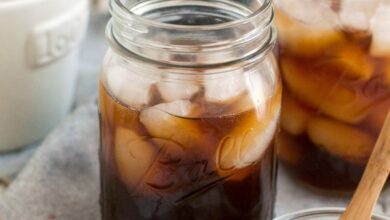
- Iced Tea Perfection: To enjoy this luxurious blend as an iced tea, simply double the herb quantities in the recipe above (e.g., 4 tbsp rose, 2 tbsp lavender, 2 tsp lemon balm) and steep in 4 cups of hot water for 7-10 minutes. Strain the tea into a heat-proof pitcher, sweeten if desired, and let it cool completely to room temperature. Then, chill thoroughly in the refrigerator for at least 2-3 hours. Serve over ice with a sprig of fresh mint or a few frozen berries for a refreshing twist.
- Sparkling Rose Elixir: For a truly special treat, brew a concentrated batch of the tea (using double the herbs and half the water). Once cooled, mix it with sparkling water or a light tonic water. Add a squeeze of lime or a few drops of rosewater for an extra floral punch.
Expert Insider Tips for the Discerning Herbalist
After a decade of exploring the world of herbs, I’ve gathered a few secrets that can elevate your tea-making from good to truly extraordinary. These are the nuances that only experienced herbalists, chefs, and wellness enthusiasts tend to discover.
- The Art of the Gentle Steep: While many teas can handle boiling water, delicate flowers like rose and lavender truly sing when steeped in water that’s just off the boil (around 195-205°F). This preserves their fragile essential oils, yielding a sweeter, less “cooked” flavor and a more vibrant aroma. Invest in a temperature-controlled kettle if you’re a serious tea lover – it makes all the difference!
- Source Matters, Always: This cannot be stressed enough. The quality of your dried herbs directly impacts the taste, aroma, and therapeutic benefits of your tea. Avoid conventional dried flowers from craft stores, which are often treated with chemicals. Always opt for organic, culinary-grade herbs from reputable suppliers like Mountain Rose Herbs, Frontier Co-op, or even Simply Organic for smaller quantities. You’ll taste the difference immediately.
- Don’t Fear the Fresh: While dried herbs are convenient, if you have access to fresh, unsprayed rose petals (from your garden, perhaps?), they can add an unparalleled vibrancy. Use about double the amount of fresh petals compared to dried. For fresh lemon balm, triple the amount. Fresh lavender can be a bit potent, so use sparingly (a few sprigs are enough).
- The Sweet Spot of Steeping Time: For this particular blend, 5-7 minutes is the sweet spot. Going beyond 7 minutes, especially with lavender, can introduce a slightly bitter, medicinal note. If you prefer a stronger brew, resist the urge to steep longer; instead, increase the quantity of herbs next time.
- Flavor Layering with Sweeteners: While raw honey is a classic pairing, consider alternatives. A touch of maple syrup can add a deeper, earthier sweetness that complements the floral notes beautifully. For a sugar-free option, a tiny pinch of organic stevia leaf (not the processed white powder) can provide sweetness without masking the delicate flavors.
The Nurturing Power of Plants: Health and Wellness Benefits
Beyond its luxurious taste and captivating aroma, this rose petal and herb tea is a powerhouse of natural health benefits, supported by both ancient wisdom and modern scientific inquiry. Each ingredient brings its unique therapeutic properties to your cup, creating a holistic wellness experience.
- Rose Petals (Rosa damascena/Rosa centifolia):
- Mood Uplifter: Rose is renowned for its ability to soothe the nervous system, reduce anxiety, and uplift the spirit. Studies suggest its aroma can have an antidepressant effect.
- Skin Health: Rich in antioxidants, rose helps protect cells from damage. Traditionally, it’s used to promote radiant skin from the inside out, often found in formulations aimed at reducing redness and inflammation.
- Digestive Aid: Rose has mild laxative properties and can help soothe digestive upset, promoting regularity.
- Anti-inflammatory: Contains compounds that can help reduce inflammation throughout the body.
- Lavender Flowers (Lavandula angustifolia):
- Calming & Sleep Support: Perhaps lavender’s most famous benefit, it’s a potent nervine, known for its ability to reduce stress, anxiety, and promote restful sleep. The compounds linalool and linalyl acetate are key to its sedative effects.
- Headache Relief: Many find lavender tea helpful in easing tension headaches and migraines.
- Digestive Soother: Can help calm an upset stomach and alleviate indigestion.
- Lemon Balm Leaves (Melissa officinalis):
- Stress & Anxiety Reducer: Lemon balm is a gentle yet effective herb for easing stress, anxiety, and mild insomnia. It’s often called the “calming herb” for its ability to promote relaxation without sedation.
- Cognitive Boost: Some research suggests lemon balm may improve mood and cognitive performance, including memory and alertness.
- Antiviral Properties: Traditionally used for its antiviral effects, particularly against cold sores (herpes simplex virus).
- Digestive Aid: Known to relieve indigestion, bloating, and gas, often due to its antispasmodic properties.
<