
Introduction
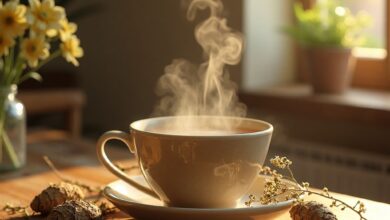
Not everyone wants or needs strong stimulants to get through the day. Some people prefer gentle, steady ways to feel more awake and focused without relying on caffeine or intense energy drinks. This is where certain herbs, traditionally used in food and drinks, fit naturally into daily routines.
This article explains gentle energy-boosting herbs without stimulants in a clear, beginner-friendly, and educational way. These herbs are commonly used in everyday meals or herbal drinks and are valued for their mild, supportive role in daily energy habits.
What This Topic Means (Simple Explanation)
Gentle energy-boosting herbs without stimulants are herbs that people traditionally use to feel more refreshed or balanced during the day, without relying on stimulating substances like caffeine.
In simple terms:
- These herbs are non-stimulating
- They are used in food, teas, or daily routines
- They support a steady sense of alertness, not sudden bursts
- They are not medicines or treatments
The focus is on gentle daily support, not quick fixes.
Why This Is Important
Understanding non-stimulant herbs for daily energy is useful for many people.
First, it offers alternatives for those sensitive to caffeine.
Second, it supports balanced routines without highs and crashes.
Third, it encourages mindful daily habits using food and drink.
Fourth, it helps beginners choose herbs safely and realistically.
Finally, it adds variety to everyday meals and beverages.
These herbs are often chosen for their flavor, aroma, and traditional use rather than dramatic effects.
Common Types or Examples
Below are herbs commonly associated with gentle, non-stimulating energy support. They are widely used in culinary or traditional beverage contexts.
Ashwagandha (Traditional Use)
Ashwagandha has a long history of traditional use.
Common uses:
- Herbal drinks
- Powdered blends
- Traditional preparations
Why it is commonly used:
- Traditionally included in daily routines
- Non-stimulating nature
- Often used in warm beverages
It is typically used in small amounts as part of food-based routines.
Rhodiola (Traditional Use)
Rhodiola is a root traditionally used in certain cultures.
Common uses:
- Herbal teas
- Powdered blends
Why it is commonly used:
- Traditionally associated with daily balance
- Does not act as a stimulant
Rhodiola is usually combined with other mild herbs.
Holy Basil (Tulsi)
Holy basil is widely used in teas and cooking.
Common uses:
- Herbal tea
- Warm infusions
Why it is commonly used:
- Mild, pleasant flavor
- Traditionally used in daily routines
- Caffeine-free
Tulsi tea is commonly enjoyed during the day.
Maca Root (Food Use)
Maca is a root often used as a food ingredient.
Common uses:
- Powder added to drinks
- Smoothies
- Warm beverages
Why it is commonly used:
- Naturally caffeine-free
- Mild, earthy taste
- Used as a food-based ingredient
Maca is often blended with milk or plant-based drinks.
Ginseng (Non-Stimulating Varieties, Traditional Use)
Some types of ginseng are traditionally used gently.
Common uses:
- Herbal teas
- Traditional drinks
Why it is commonly used:
- Long cultural history
- Used in balanced routines
It is often used in small amounts and blended with other herbs.
Moringa (Leaf Use)
Moringa leaves are used as food and tea.
Common uses:
- Herbal tea
- Added to meals
- Powdered form
Why it is commonly used:
- Food-based herb
- Mild, green flavor
- Caffeine-free
Moringa is often added to soups or warm drinks.
Peppermint
Peppermint is refreshing and widely used.
Common uses:
- Herbal tea
- Warm or hot drinks
Why it is commonly used:
- Fresh, cooling taste
- Naturally caffeine-free
- Commonly enjoyed during the day
Peppermint is popular for its clean, uplifting flavor.
How to Use or Apply This in Daily Life
Using gentle, non-stimulant herbs works best when kept simple and consistent.
Step 1: Choose One Herb to Start
Beginners should begin with one familiar herb.
Good starting options:
- Peppermint
- Holy basil (tulsi)
- Moringa
This helps you understand how it fits your routine.
Step 2: Use Herbs as Part of Food or Drinks
These herbs are best used in everyday ways.
Common methods:
- Herbal teas
- Warm beverages
- Added to meals
Keep preparation simple.
Step 3: Keep Portions Moderate
Gentle herbs work best in normal food amounts.
Tips:
- Start with small quantities
- Adjust slowly based on preference
- Focus on flavor and routine
Step 4: Use Them Earlier in the Day
Non-stimulant herbs are often enjoyed:
- In the morning
- Midday
- Early afternoon
This helps maintain a steady daily rhythm.
Step 5: Pair With Healthy Habits
Herbs work best alongside:
- Regular meals
- Adequate rest
- Hydration
They support routines, not replace basic needs.
Tips for Beginners
These tips help beginners use gentle energy-supporting herbs comfortably.
- Start with caffeine-free herbs
- Choose herbs you enjoy the taste of
- Avoid mixing many herbs at once
- Keep usage consistent
- Observe how you feel over time
- Store herbs properly
- Focus on routine, not quick effects
Common Mistakes to Avoid
Avoiding these mistakes helps keep expectations realistic.
Expecting Immediate Energy Surges
These herbs support gentle balance, not instant energy.
Using Large Amounts
More is not better. Keep amounts moderate.
Mixing Too Many Herbs
Simple combinations are easier to understand.
Treating Herbs as Substitutes for Sleep
Herbs support routines but do not replace rest.
Ignoring Taste Preferences
If you dislike the flavor, you are less likely to use it consistently.
Safety and Usage Notes
Herbs discussed in this article are for everyday food and drink use only.
- Use herbs in normal culinary or beverage amounts
- Avoid excessive use
- Use herbs you can clearly identify
- Store herbs in airtight containers
- This article is educational and not medical advice
If you have concerns about herb use, consult a qualified professional.
Frequently Asked Questions (FAQs)
Are these herbs completely caffeine-free?
Most listed herbs are naturally caffeine-free, but always check the source.
Can I use these herbs daily?
Many people include them regularly as part of food and drink routines.
Do these herbs replace coffee?
They are alternatives, not direct replacements.
Are these herbs suitable for evenings?
Some are, but many people prefer them earlier in the day.
Can I combine two gentle herbs?
Yes, but beginners should start with one.
Do these herbs work the same for everyone?
No. Individual experiences vary.
Conclusion
Gentle energy-boosting herbs without stimulants offer a calm and balanced approach to daily energy. Herbs like peppermint, holy basil, moringa, and traditionally used roots are commonly included in everyday meals and drinks for their mild, supportive role.
For beginners, the key is simplicity and consistency. Choose one herb, use it in a familiar way, and make it part of a healthy routine. Over time, these gentle herbs can become enjoyable additions to daily life—supporting steady energy without relying on stimulants.