
Introduction
Soups, stews, and broths are some of the easiest meals to make at home. They are warm, comforting, and flexible. One simple way to improve their flavor is by using herbs. For beginners, choosing the right herbs can feel confusing. This is why learning about the best herbs for soups, stews, and broths is so helpful.
This article explains everything in simple terms. You do not need cooking experience or special knowledge. The goal is to help you understand which herbs work well, how to use them, and how to avoid common mistakes.
What This Topic Means (Simple Explanation)
Herbs are leaves from plants that add flavor and aroma to food. When used in soups, stews, and broths, herbs slowly release their flavor into the liquid as it cooks.
The best herbs for soups, stews, and broths are herbs that hold their flavor well during cooking and blend smoothly with other ingredients. Some herbs are added early, while others are added near the end.
Why This Is Important
Using the right herbs makes a big difference in everyday cooking:
- Soups taste richer without extra effort
- Simple ingredients feel more complete
- Meals become more enjoyable and balanced
- Beginners gain confidence in the kitchen
- Home gardeners know which herbs to grow
- Broths taste better without needing many extras
Understanding the best herbs for soups, stews, and broths helps you cook with less guesswork.
Common Types or Examples
Some herbs are especially popular for liquid-based dishes because they release flavor slowly and evenly.


Bay Leaf
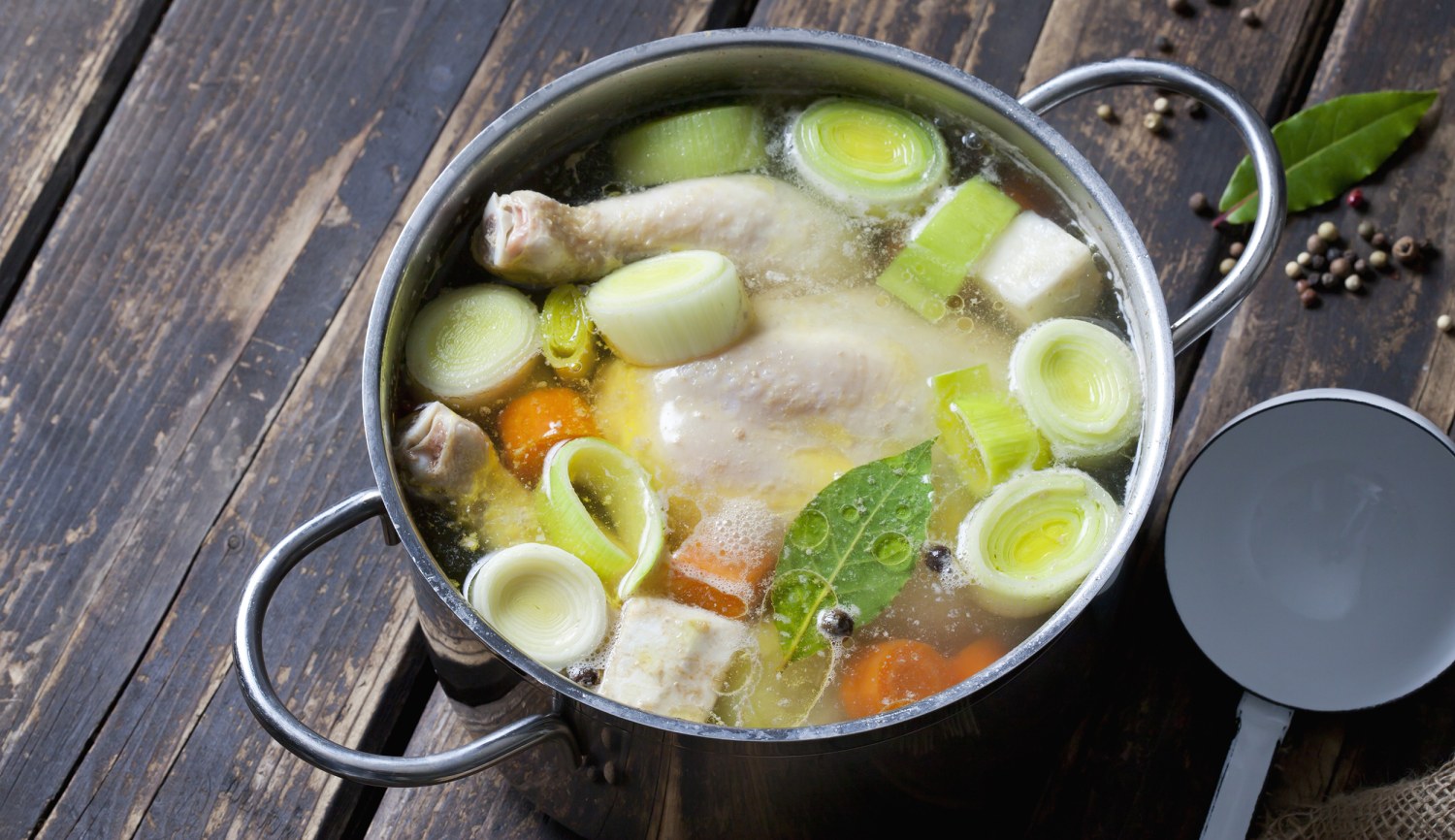
Bay leaves are one of the most common herbs for soups and broths. They are added during cooking and removed before serving. They give a deep, gentle background flavor.
Thyme
Thyme works well in long-cooking dishes. It has a mild, earthy taste that blends easily with vegetables, beans, and meats.
Parsley
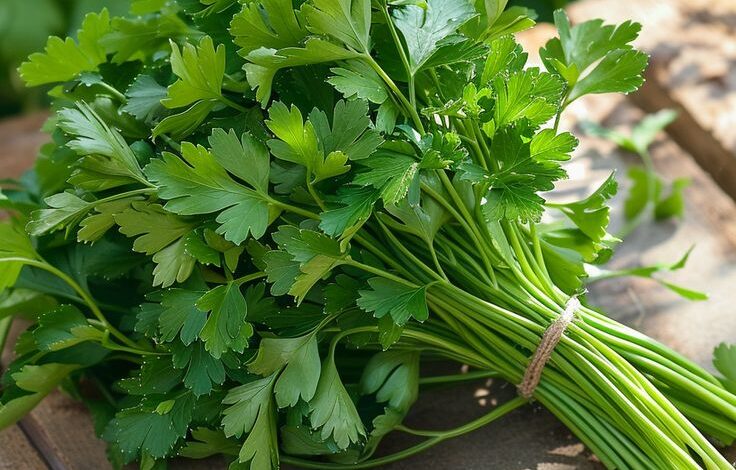
Parsley is often added at the end of cooking. It gives a fresh, clean taste and brightens the final dish.
Rosemary
Rosemary has a strong aroma. It is best used in small amounts, especially in hearty stews and slow-cooked meals.
Oregano
Oregano adds a warm, slightly bold flavor. It works well in tomato-based soups and stews.
Sage
Sage has a deep, savory taste. It is often used in thicker stews and rich broths.
These are some of the best herbs for soups, stews, and broths because they hold up well during cooking.
How to Use or Apply This in Daily Life
Beginners can follow these simple steps when using herbs in soups and stews.
Step 1: Choose one or two herbs
Avoid using too many herbs at once. Start simple.
Step 2: Decide when to add the herb
- Woody herbs (like thyme and rosemary): add early
- Soft herbs (like parsley): add near the end
Step 3: Use small amounts
Herbs become stronger as they cook. Start with less.
Step 4: Taste near the end
This helps you decide if more flavor is needed.
Step 5: Remove whole herbs if needed
Bay leaves and large rosemary stems should be removed before serving.
Tips for Beginners
If you are new to cooking with herbs, keep these tips in mind:
- Use dried herbs if fresh ones are not available
- Crush dried herbs gently before adding
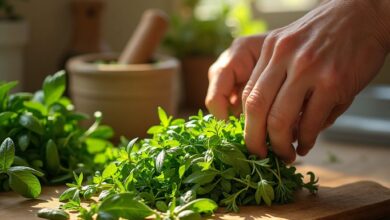
- Chop fresh herbs finely for even flavor
- Write down what you liked for next time
- Practice with simple vegetable soups first
Learning the best herbs for soups, stews, and broths becomes easier with regular cooking.
Common Mistakes to Avoid
Many beginners make similar mistakes when using herbs.
Adding too many herbs
This can overpower the dish. Fewer herbs often taste better.
Using strong herbs like mild ones
Herbs like rosemary and sage need smaller amounts.
Adding fresh herbs too early
This can cause them to lose flavor.
Forgetting to remove whole herbs
Bay leaves should not be eaten.
Not tasting before serving
Always taste and adjust gently.
Avoiding these mistakes improves results quickly.
Safety and Usage Notes
Herbs used in cooking are meant for flavor only. Keep these points in mind:
- Use herbs in normal cooking amounts
- Wash fresh herbs before use
- Remove inedible parts before serving
- Store herbs properly to keep them fresh
- Discard herbs that smell unpleasant or look spoiled
This section is for general kitchen use only.
Frequently Asked Questions (FAQs)
Can I use dried herbs instead of fresh herbs?
Yes. Dried herbs work well in soups and stews, especially for long cooking.
Which herbs are best for long-cooking stews?
Thyme, bay leaf, rosemary, and oregano hold up well.
Should I chop herbs before adding them?
Chopping helps release flavor, especially for fresh herbs.
How many herbs should I use in one soup?
One or two herbs are usually enough for beginners.
Can herbs be mixed together?
Yes, but start with simple combinations until you learn how flavors blend.
Conclusion
Using the best herbs for soups, stews, and broths is an easy way to make home cooking more enjoyable. The right herbs add depth, aroma, and balance without making recipes complicated.
Start small. Choose one herb. Add it at the right time. Taste as you go. With practice, herbs will feel natural in your cooking, helping you create warm, flavorful meals with confidence.