
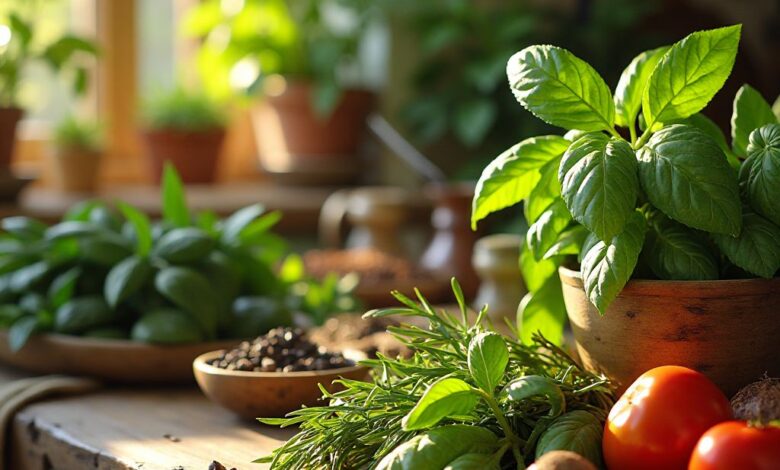
Oh, the humble herb! Have you ever paused, truly paused, to consider the sheer magic packed into a single leaf of basil, or the intoxicating aroma released when a sprig of rosemary hits a hot pan? It’s more than just flavor; it’s a whisper of history, a burst of sunshine, and a secret ingredient that can transform a simple meal into an unforgettable culinary experience. As an herbalist, culinary writer, and wellness blogger, I’ve spent the last decade diving deep into the verdant world of plants, and let me tell you, few things bring me more joy than watching someone discover the profound difference a perfectly paired herb can make.
For centuries, across every continent and culture, herbs have been the unsung heroes of the kitchen and the medicine cabinet. From the ancient Egyptians using mint for digestive woes to Roman banquets perfumed with bay laurel, these botanical treasures have woven themselves into the fabric of human civilization. They’ve traveled trade routes, inspired poets, and healed generations. Today, in our increasingly global kitchen, understanding the nuanced language of herbs isn’t just about making food taste good; it’s about connecting with a rich heritage, celebrating natural flavors, and unlocking a world of wellness. It’s about recognizing that a sprig of fresh cilantro isn’t just green garnish; it’s a bridge to vibrant Mexican street food or a fragrant Thai curry, connecting us to traditions that span thousands of years.
The Unforgettable Triad: Basil, Rosemary, and Cilantro
To truly master the art of herb and food pairing, we must first get intimately acquainted with a few foundational players. Let’s delve into three of my absolute favorites – Basil, Rosemary, and Cilantro – herbs that every cook should not only recognize but deeply understand.
Basil: The Sweet Kiss of Summer
Flavor Profile and Best Food Pairings
Ah, sweet basil! Its flavor is a symphony of peppery, sweet, and slightly anise-like notes, often with a hint of minty freshness. It’s the quintessential taste of summer, sun-drenched and vibrant. Basil is a match made in heaven with anything tomato-based – think classic pasta sauces, fresh bruschetta, or a simple Caprese salad. It also sings alongside mozzarella, goat cheese, chicken, fish (especially white fish like cod or snapper), eggs, and summer vegetables like zucchini and eggplant. Don’t shy away from pairing it with fruits; a surprising delight awaits when you combine fresh basil with strawberries, peaches, or even watermelon for a refreshing salad.
Cooking Techniques and a Simple Recipe
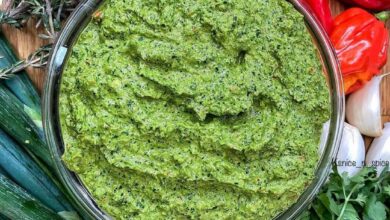
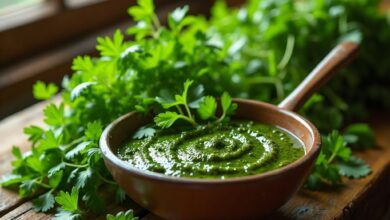
Basil is best added at the very end of cooking to preserve its delicate flavor and vibrant color. High heat can diminish its potency. For fresh applications, gently tear the leaves rather than cutting them with a knife; this helps prevent bruising and retains more of its essential oils. One of my favorite ways to enjoy basil is in a simple pesto. For a quick dish, try this:
Speedy Summer Basil Pasta
- Cook 8 oz pasta of your choice.
- While pasta cooks, gently sauté 2 cloves minced garlic in 2 tbsp olive oil until fragrant.
- Add 1 pint halved cherry tomatoes and cook until they start to burst.
- Drain pasta, reserving ½ cup pasta water. Add pasta to the pan with tomatoes and garlic.
- Stir in a generous handful (about ½ cup) fresh basil leaves, torn, and a splash of reserved pasta water to create a light sauce.
- Finish with a sprinkle of Parmesan cheese and a drizzle of extra virgin olive oil. Simply divine!
Storage Tips and Substitution Options
To keep fresh basil vibrant, trim the stems and place the bunch in a glass of water on your kitchen counter, much like a bouquet of flowers. Cover loosely with a plastic bag to create a mini-greenhouse effect. Change the water daily. It will last for about a week. For longer storage, you can blanch and freeze basil leaves, or blend them into a pesto with olive oil and freeze in ice cube trays. If you’re in a pinch, dried basil (like Simply Organic’s dried basil) can work in cooked dishes, but it won’t offer the same bright, fresh punch. Oregano or mint can offer a different but complementary aromatic profile in some dishes.
Rosemary: The Evergreen Aroma of Comfort
Flavor Profile and Best Food Pairings
Rosemary is a robust, piney, woody herb with hints of lemon, pepper, and a slightly bitter undertone. It’s a powerful flavor that stands up beautifully to rich meats and root vegetables. Think roasted lamb, chicken, pork, and beef. It’s absolutely magnificent with potatoes – roasted, mashed, or baked. It also pairs well with other hearty vegetables like carrots, parsnips, and mushrooms. Don’t forget to infuse olive oil with rosemary for a fragrant dipping oil for bread, or add it to focaccia for an aromatic crust.
Cooking Techniques and a Simple Recipe
Unlike delicate basil, rosemary loves heat. It can be added early in the cooking process to allow its flavors to infuse deeply into dishes. Whole sprigs can be added to roasting pans, or the leaves can be finely chopped for marinades and rubs. Always remove the woody stems before eating. Try this classic:
Rustic Rosemary Roasted Potatoes
- Preheat oven to 400°F (200°C).
- Cut 2 lbs Yukon Gold or red potatoes into 1-inch chunks.
- Toss potatoes with 3 tbsp olive oil, 2 sprigs fresh rosemary (leaves stripped and roughly chopped), 3 cloves minced garlic, 1 tsp salt, and ½ tsp black pepper.
- Spread in a single layer on a baking sheet.
- Roast for 30-40 minutes, flipping halfway, until golden brown and tender.
Storage Tips and Substitution Options
Fresh rosemary keeps well in the refrigerator. Wrap the sprigs in a damp paper towel and place them in a resealable plastic bag. It can last for 2-3 weeks. Rosemary also dries beautifully, and dried rosemary (like that from Frontier Co-op) holds its flavor well for longer storage. If you need a substitute, thyme offers a similar woody, earthy note, though it’s generally milder. Marjoram can also work in a pinch, but it lacks rosemary’s distinctive piney kick.
Cilantro: The Zesty Global Traveler
Flavor Profile and Best Food Pairings
Cilantro is a vibrant, citrusy, and slightly peppery herb with an incredibly fresh aroma. For some, it has a polarizing “soapy” taste, but for the vast majority, it’s an indispensable ingredient in global cuisine. It’s the backbone of Mexican, Indian, Thai, and Vietnamese dishes. Think tacos, salsas, guacamole, curries, pho, and spring rolls. It pairs exquisitely with lime, avocado, chili, onions, and various meats and beans.
Cooking Techniques and a Simple Recipe
Cilantro, like basil, is best added fresh and at the end of cooking to preserve its bright flavor. It’s often used as a garnish, stirred into cold dishes, or added to marinades. Both the leaves and the delicate stems are flavorful. The roots, when available, are fantastic for Thai curries and pastes. Whip up this staple:
Zesty Fresh Guacamole with Cilantro
- Mash 2 ripe avocados in a bowl.
- Stir in ¼ cup finely chopped red onion, 2 tbsp chopped fresh cilantro, 1-2 tbsp fresh lime juice, and a pinch of salt.
- Add a diced jalapeño for heat, if desired.
- Serve immediately with tortilla chips.
Storage Tips and Substitution Options
To store fresh cilantro, place the bunch, root-end down, in a glass of water. Cover the leaves loosely with a plastic bag and refrigerate. This method can keep it fresh for up to two weeks. Avoid washing cilantro until just before use, as excess moisture can lead to spoilage. There’s truly no perfect substitute for cilantro due to its unique flavor profile. Flat-leaf parsley can offer a similar fresh green note, but it lacks the distinctive citrusy, peppery kick. Vietnamese coriander (Rau Răm) is a closer match in some Asian cuisines but is harder to find.
Expert Insider Tips
- The Power of the Pinch: For fresh herbs like basil and cilantro, a general rule of thumb is to use about three times the amount of fresh herb compared to dried. However, always taste and adjust! Fresh herbs are delicate; dried herbs (like those from Simply Organic or Frontier Co-op) are concentrated.
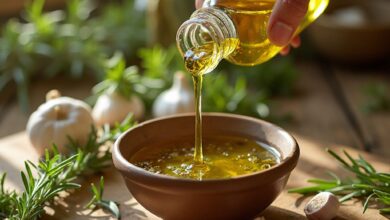
- Infuse Your Oils: For herbs like rosemary and thyme, gently heating them in olive oil (don’t burn!) is a fantastic way to extract their fat-soluble flavors. Let it cool, strain, and you have a beautiful infused oil for dipping, dressings, or cooking.
- Grow Your Own: Nothing beats the flavor of freshly picked herbs. Even a small windowsill planter with Burpee Seeds can provide you with a continuous supply of basil, mint, or cilantro. For robust growth, consider using a good quality potting mix like Miracle-Gro Organic Choice Potting Mix.
- Don’t Waste Stems: Many herb stems, especially parsley and cilantro, are packed with flavor. Finely chop them and add them to sauces, stocks, or stir-fries for an extra layer of taste.
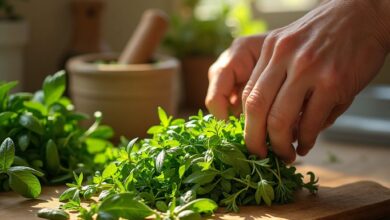
- The “Bruise and Release” Method: For aromatic herbs like basil, gently tearing or bruising the leaves just before adding them to a dish helps release their essential oils, intensifying their flavor and aroma without over-processing.
Health and Wellness Benefits
Beyond their incredible flavors, culinary herbs are powerhouses of natural health benefits, often backed by both traditional use and modern research. They are rich in antioxidants, vitamins, and minerals, making them tiny nutritional giants.
- Basil: Traditionally used for its anti-inflammatory and antioxidant properties. It contains compounds like eugenol, which may help reduce inflammation, and it’s a good source of Vitamin K. It’s also been used to aid digestion and reduce stress.
- Rosemary: Known for its potent antioxidant and anti-inflammatory compounds, including rosmarinic acid and carnosic acid. It’s traditionally used to improve memory and concentration, and modern research is exploring its potential neuroprotective effects. It also has antimicrobial properties.
- Cilantro: A fantastic source of Vitamin K and Vitamin A. It’s often used in traditional medicine for its digestive aid properties and its ability to help detoxify heavy metals from the body. Its antioxidant compounds support overall cellular health.
Incorporating fresh herbs into your daily diet is a simple, delicious way to boost your intake of beneficial plant compounds and support your overall well-being.
Common Mistakes to Avoid
- Overcooking Delicate Herbs: Adding fresh basil or cilantro at the beginning of a long cooking process will diminish their flavor and vibrant color. Save them for the last few minutes or as a fresh garnish.
- Under-Seasoning with Dried Herbs: Dried herbs are more concentrated than fresh. Don’t use a 1:1 ratio! Start with less and taste as you go. For brands like Mountain Rose Herbs or Frontier Co-op, their dried herbs are very potent.
- Ignoring Storage: Improper storage can quickly turn fresh herbs into slimy, unusable messes. Follow the storage tips above to extend their life and reduce waste.
- Not Washing Thoroughly: Always wash fresh herbs gently under cool running water, even if they look clean. You never know what microscopic critters or dirt might be clinging to the leaves.
- Using the Wrong Herb for the Job: While substitutions are sometimes necessary, trying to replace rosemary with basil in a lamb roast will yield very different (and potentially disappointing) results. Understand the flavor profile of each herb.
Safety and Precautions
For most common culinary herbs like basil, rosemary, and cilantro, consumption in typical food amounts is generally safe for the vast majority of people. However, a few considerations:
- Pregnancy and Breastfeeding: While culinary amounts are usually fine, high medicinal doses of any herb should be avoided during pregnancy and breastfeeding without consulting a healthcare professional.
- Allergies: Though rare, some individuals can have allergic reactions to specific herbs.
- Blood Thinners: Herbs rich in Vitamin K (like basil and cilantro) can potentially interact with blood-thinning medications like warfarin, as Vitamin K plays a role in blood clotting. If you are on such medication, discuss your dietary intake of these herbs with your doctor.
- “Soapy” Cilantro: For a small percentage of the population, cilantro tastes like soap due to a genetic predisposition. If you’re one of them, simply omit it or substitute with flat-leaf parsley.
Always listen to your body, and if you have any underlying health conditions or are taking medications, it’s wise to consult with your healthcare provider about significant dietary changes or increased herb consumption.
Embrace the Flavor, Embrace the Wellness!
There you have it, my friends – a deep dive into the enchanting world of herb and food pairings, focusing on three culinary titans: basil, rosemary, and cilantro. These aren’t just green bits on your plate; they are vibrant expressions of flavor, history, and well-being, waiting to elevate your everyday cooking. I hope this journey