How to Use Tarragon Like a French Chef Without Going to Culinary School

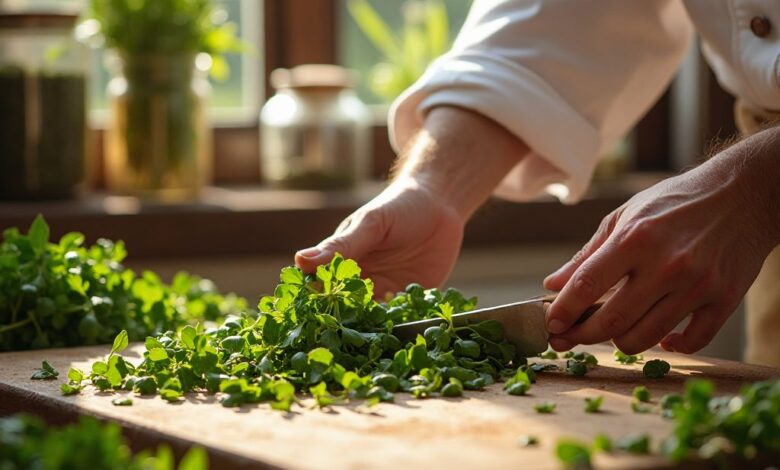
Close your eyes and imagine the delicate dance of anise and sweet spice, a whisper of pepper, and a finish so clean it brightens everything it touches. That, my friends, is the magic of tarragon – the secret weapon in every French chef’s arsenal, yet surprisingly simple to master in your own kitchen. Forget the intimidating culinary school tuition; today, we’re unlocking the secrets of this aromatic herb, transforming your everyday cooking into something truly extraordinary.
For years, I’ve watched home cooks shy away from tarragon, intimidated by its unique flavor or unsure how to wield its subtle power. But I’m here to tell you that tarragon is not just for fancy restaurants; it’s for you, for your weeknight meals, for those moments when you want to infuse a dish with an unexpected elegance. Get ready to embrace the herbaceous heart of French cuisine, because by the end of this article, you’ll be using tarragon with the confidence and flair of a seasoned chef.
Background: The Green Gold of French Cuisine
Our journey with tarragon begins not in the sun-drenched fields of Provence, but much further east, in the vast plains of Siberia and Central Asia. Known botanically as Artemisia dracunculus, this unassuming herb, whose name is believed to derive from the Latin “dracunculus” meaning “little dragon” (perhaps due to its serpentine roots or the belief it could cure snake bites), made its way to Europe centuries ago. It was the Arabs who first introduced it to Spain, and from there, it traveled across the continent, eventually finding its spiritual home in France.
It was in France that tarragon truly came into its own, becoming an indispensable pillar of classic French cooking. Often grouped with chervil, chives, and parsley as one of the “fines herbes,” tarragon’s distinct, sophisticated flavor profile cemented its status. It’s not just an ingredient; it’s a signature, a whisper of refinement that elevates simple ingredients to culinary art. Think of classic sauces like Béarnaise and Hollandaise, or the timeless elegance of Poulet à l’Estragon (Chicken with Tarragon). These dishes aren’t just French; they are profoundly tarragon-infused, showcasing why this herb matters so much to people around the world today – it’s a taste of history, culture, and pure culinary delight.
Main Content: Mastering Tarragon in Your Kitchen
Let’s dive into the heart of what makes tarragon so special and how you can integrate it seamlessly into your cooking.
Flavor Profile: A Symphony of Subtle Notes
French tarragon (Artemisia dracunculus sativa) is the star of our show. Its flavor is a complex tapestry: a gentle, sweet anise or licorice note is usually the first to register, but it’s quickly followed by hints of vanilla, a touch of peppery warmth, and a clean, almost pine-like freshness. It’s vibrant yet delicate, never overwhelming, which is precisely why it pairs so beautifully with a wide array of foods. Unlike its coarser cousin, Russian tarragon (Artemisia dracunculoides), which tends to be more bitter and less aromatic, French tarragon offers that coveted balance and elegance.
Best Food Pairings: Tarragon’s Dance Partners
Tarragon has a natural affinity for certain ingredients, creating harmonious flavor combinations:
- Poultry: Chicken and turkey are classic partners. A sprig of tarragon tucked into a roasting chicken, or finely chopped into a cream sauce for pan-seared breasts, is pure magic.
- Fish and Seafood: Its delicate notes complement white fish like cod, sole, and halibut, as well as salmon and shrimp.
- Eggs: A pinch of fresh tarragon transforms scrambled eggs, omelets, or quiches into gourmet delights.
- Vegetables: Asparagus, green beans, peas, new potatoes, and mushrooms all benefit from tarragon’s brightening touch.
- Sauces and Dressings: This is where tarragon truly shines. Béarnaise, Hollandaise, vinaigrettes, and creamy pan sauces are its playground.
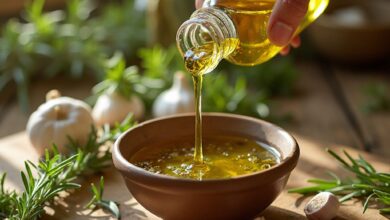
- Vinegars and Oils: Infuse tarragon into white wine vinegar or olive oil for an aromatic condiment.
Cooking Techniques: Unlocking the Essence
Tarragon is a delicate herb, and how you use it significantly impacts its flavor. Its essential oils are volatile, meaning they dissipate with prolonged heat. The trick, like a true French chef, is to add it at the right moment.
- Infusion: For sauces or stocks, you can add whole sprigs early in the cooking process to infuse a subtle flavor, removing them before serving.
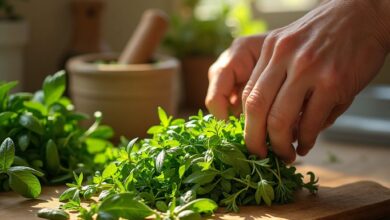
- Finishing Herb: This is its most common and impactful use. Add finely chopped fresh tarragon right at the end of cooking, or as a garnish, to preserve its vibrant aroma and flavor.
- Compound Butters: Soften butter, mix in chopped tarragon, a squeeze of lemon, and a pinch of salt. Roll into a log, chill, and slice onto grilled fish, steak, or roasted vegetables.
- Vinaigrettes: Whisk fresh tarragon into your favorite oil and vinegar dressing for an instant upgrade.
Step-by-Step Recipes: Your First Foray into French Flavors
Let’s get cooking! These simple recipes will build your confidence.
1. Classic Tarragon Vinaigrette
This is a foundational dressing that will elevate any salad, grilled chicken, or steamed vegetables.
- Ingredients:
- 3 tablespoons extra virgin olive oil
- 1 tablespoon white wine vinegar (or champagne vinegar)
- 1 tablespoon finely chopped fresh tarragon
- 1/2 teaspoon Dijon mustard
- Salt and freshly ground black pepper to taste
- Instructions:
- In a small bowl, combine the white wine vinegar and Dijon mustard. Whisk until emulsified.
- Slowly drizzle in the olive oil while whisking continuously until the dressing is smooth and slightly thickened.
- Stir in the chopped fresh tarragon, salt, and pepper. Taste and adjust seasonings as needed.
- Serve immediately over your favorite greens, or drizzle over roasted chicken or fish.
2. Simple Pan-Seared Chicken with Tarragon Cream Sauce
A bistro classic made easy for your home kitchen.
- Ingredients:
- 2 boneless, skinless chicken breasts
- 1 tablespoon olive oil
- 2 tablespoons unsalted butter
- 1/4 cup dry white wine or chicken broth
- 1/2 cup heavy cream
- 2 tablespoons finely chopped fresh tarragon, plus more for garnish
- Salt and freshly ground black pepper to taste
- Instructions:
- Pat chicken breasts dry with paper towels. Season generously with salt and pepper.
- Heat olive oil in a large skillet over medium-high heat. Add chicken breasts and sear for 4-6 minutes per side, until golden brown and cooked through (internal temperature of 165°F/74°C). Remove chicken from skillet and set aside on a plate, tented with foil.
- Reduce heat to medium. Add butter to the skillet, scraping up any browned bits from the bottom.
- Pour in the white wine or chicken broth, bringing it to a simmer and letting it reduce by half, about 2-3 minutes.
- Stir in the heavy cream and continue to simmer gently for another 2-3 minutes, until the sauce slightly thickens.
- Remove the skillet from the heat and stir in the chopped fresh tarragon. Taste and adjust seasonings.
- Slice the chicken breasts and serve immediately, spooning the warm tarragon cream sauce over them. Garnish with a few extra tarragon leaves.
Storage Tips: Keeping Tarragon Fresh
Fresh tarragon is always preferred, but proper storage is key to extending its life:
- Fresh: Wrap fresh tarragon sprigs loosely in a damp paper towel, then place them in a plastic bag or an airtight container in the refrigerator’s crisper drawer. It should last for about 1-2 weeks.
- Freezing: For longer storage, you can freeze tarragon. Strip the leaves from the stems, chop them, and freeze them in ice cube trays with a little water or olive oil. Once frozen, transfer the cubes to a freezer-safe bag.
- Dried: Dried tarragon, while convenient, has a significantly muted flavor compared to fresh. If using dried, look for high-quality options from brands like Simply Organic or Frontier Co-op. Store in a cool, dark place in an airtight container for up to 6 months for best potency. Remember, a little dried tarragon goes a long way – use about 1/3 the amount of fresh.
Substitution Options: When Fresh Isn’t Available
While French tarragon’s flavor is unique, if you absolutely can’t find it, here are some alternatives that offer a similar *note*, but won’t be an exact match:
- Chervil: This “fines herbes” cousin offers a more delicate anise flavor, making it a good substitute for light dishes.
- Fennel Fronds: If you need a stronger anise presence, the feathery fronds of fresh fennel can work, especially in fish dishes.
- Anise Seeds (very sparingly): A tiny pinch of crushed anise seeds can provide the licorice note, but be cautious as they are much more potent and lack the herbaceous freshness.
Expert Insider Tips: Unlocking True Tarragon Potential
After years in the kitchen and garden, I’ve picked up a few tricks that will truly elevate your tarragon game:
- Don’t Discard the Stems! While you use the leaves for chopping, the woody stems are packed with flavor. Add them to stocks, broths, or even infusing vinegars (like a homemade tarragon white wine vinegar) for a deeper, more complex aroma. Just remember to remove them before serving.
- The “Bloom” of Freshness: Always add fresh tarragon at the very end of cooking, or as a garnish. Its delicate oils are volatile and will quickly dissipate with prolonged heat, leading to a dull, almost bitter flavor. Adding it just before serving allows its vibrant, fresh notes to “bloom” on the palate.
- Tarragon Loves Acidity: Tarragon truly shines when paired with acidic components. Think lemon juice, white wine vinegar, or even a splash of dry white wine. The acid brightens its flavor, making its unique notes pop. That’s why it’s a star in Béarnaise sauce (which uses vinegar) and vinaigrettes.
- Grow Your Own for Unmatched Flavor: If you have