How to Use Epazote and Other Unique Herbs in Traditional Mexican Cooking

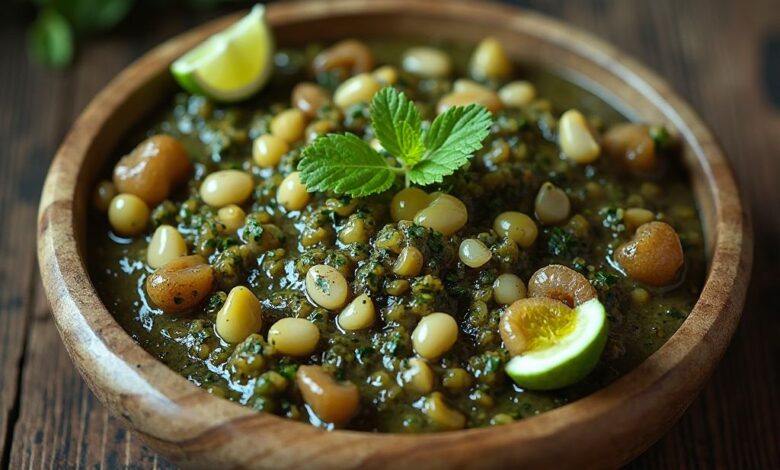
Ah, the kitchen! A place where magic happens, where stories are told through simmering pots and vibrant ingredients. But sometimes, to truly unlock a new world of flavor, we need to look beyond the usual suspects. Imagine a herb that whispers tales of ancient Mesoamerican markets, a scent so unique it defies easy description – earthy, a touch citrusy, with a hint of mint and something utterly wild. This, my friends, is Epazote, the unsung hero of countless traditional Mexican dishes, a verdant secret that will transform your cooking and connect you to centuries of culinary heritage.
For too long, many of us have been content with a familiar palette of herbs. But to truly understand the soul of Mexican cuisine, we must embrace its unique botanical treasures. Epazote isn’t just a flavor; it’s an experience, a cultural touchstone that brings authenticity and depth to dishes that simply wouldn’t be the same without it. And it’s just one star in a constellation of unique herbs waiting to be discovered.
The Ancient Roots of Mexican Flavor
To appreciate Epazote (Dysphania ambrosioides, formerly Chenopodium ambrosioides) and its companions, we must journey back in time. This pungent, potent herb has been an integral part of Mexican and Central American diets for millennia. Its name, “epazote,” comes from the Nahuatl word “epazōtl,” meaning “skunk sweat,” a nod to its distinctive, assertive aroma. But don’t let the translation deter you; its flavor in cooking is far more nuanced and appealing!
The Aztecs and Mayans not only used epazote for its culinary prowess but also revered it for its medicinal properties, particularly as a digestive aid and vermifuge. It was a staple in their bean and corn dishes, not just for flavor, but for its traditional ability to reduce the gassy effects of legumes. This dual role of flavor enhancer and wellness ally cemented its place in daily life and ritual. Beyond epazote, herbs like Hoja Santa and Mexican Oregano have equally rich histories, woven into the fabric of regional cuisines, passed down through generations, and representing a deep connection between the land and its people.
Today, these unique herbs continue to be the heart and soul of authentic Mexican cooking. They are the flavors that evoke grandma’s kitchen, the vibrant markets, and the deep culinary traditions that resonate across the globe. By incorporating them into our own cooking, we’re not just adding flavor; we’re honoring history, culture, and the timeless wisdom of plant-based wellness.
Unlocking the Flavors: Epazote and Its Companions
Let’s dive into the fascinating world of these indispensable Mexican herbs, focusing on their unique characteristics and how to best use them in your kitchen.
Epazote (Dysphania ambrosioides)
- Flavor Profile: This is where epazote truly shines and surprises. It’s often described as earthy, pungent, with notes of oregano, mint, anise, citrus, and even a faint gasoline-like aroma when raw. When cooked, these intense aromas mellow into a complex, savory depth that is truly unique.
- Best Food Pairings: Epazote is the quintessential herb for beans, especially black beans (frijoles de la olla). It’s also fantastic with corn (think esquites or elotes), quesadillas, sopes, tamales, mushroom dishes, fish, and certain moles. Its robust flavor stands up well to rich, hearty ingredients.
- Cooking Techniques: Always add epazote towards the end of cooking to preserve its delicate yet powerful flavor. A few fresh leaves or a teaspoon of dried epazote are usually sufficient. It’s rarely the star but acts as a crucial supporting player, lending an authentic taste that is impossible to replicate.
- Storage Tips: Fresh epazote can be wrapped in a damp paper towel and stored in a plastic bag in the refrigerator for up to a week. Dried epazote, like that found from high-quality suppliers such as Mountain Rose Herbs or Frontier Co-op, should be kept in an airtight container away from direct light and heat.
- Substitution Options: This is tough! Epazote has such a distinct profile that there’s no true substitute. Some suggest a tiny pinch of dried oregano and a fresh mint leaf, but it will only provide a faint echo, not the real deal. Embrace the uniqueness!
Recipe Spotlight: Authentic Frijoles de la Olla with Epazote
This simple recipe is the perfect introduction to epazote’s magic.
- Ingredients:
- 1 pound dried black beans, rinsed and picked over
- 8 cups water (plus more if needed)
- 1/2 medium white onion, roughly chopped
- 2 cloves garlic, smashed
- 2-3 sprigs fresh epazote (or 1 tsp dried)
- 1-2 tsp salt, to taste
- Optional: 1 small jalapeño or serrano pepper, whole
- Instructions:
- In a large pot or Dutch oven, combine the rinsed beans, water, onion, and garlic. Bring to a boil, then reduce heat to a gentle simmer.
- Cover partially and cook for 1.5 to 2 hours, or until beans are tender. Check periodically and add more hot water if needed to keep the beans submerged.
- Once the beans are tender, add the fresh epazote sprigs (or dried epazote) and the whole chili pepper (if using). Continue to simmer for another 20-30 minutes, allowing the epazote to infuse its flavor.
- Remove the epazote sprigs and chili pepper. Season generously with salt. Taste and adjust.
- Serve hot as a side dish, or use as a base for refried beans, sopes, or tacos.
Hoja Santa (Piper auritum) – Mexican Pepperleaf
- Flavor Profile: A large, heart-shaped leaf with a complex, enchanting aroma often described as a blend of anise, sassafras, eucalyptus, black pepper, and mint. It’s milder when cooked, lending a unique, herbaceous depth.
- Best Food Pairings: Hoja Santa is famous for wrapping fish (Pescado en Hoja Santa), chicken, or cheese before steaming or baking. It’s also used to flavor tamales, moles (especially Mole Verde), and certain soups.
- Cooking Techniques: Use whole leaves as a wrapper, or finely chop and add to sauces and fillings. It’s best cooked, as its raw flavor can be quite strong.
Mexican Oregano (Lippia graveolens)
- Flavor Profile: Distinctly different from Mediterranean oregano (Origanum vulgare), Mexican oregano is more earthy, peppery, citrusy, and has a strong savory backbone. It lacks the minty undertones of its European cousin.
- Best Food Pairings: Essential for chilis, stews (like pozole and menudo), salsas, grilled meats, and marinades. It’s a robust flavor that stands up to bold ingredients.
- Cooking Techniques: Typically used dried and crumbled, added early in the cooking process to allow its flavors to meld.
Papalo (Porophyllum ruderale) – Summer Cilantro
- Flavor Profile: Often called “summer cilantro” because it thrives in heat when cilantro bolts. Its flavor is like cilantro but more intense, pungent, peppery, and slightly citrusy. Some find it has a faint “soapy” note, similar to how some perceive cilantro.
- Best Food Pairings: Papalo is almost exclusively used fresh as a garnish for tacos, tortas, cemitas, and salsas. It’s a staple in Puebla cuisine.
- Cooking Techniques: Always added raw and at the very end, or served on the side for diners to add themselves. Cooking destroys its delicate flavor.
Expert Insider Tips from My Kitchen
- Epazote for Digestive Harmony: While its flavor is paramount, don’t forget the traditional wisdom! Adding a sprig or two of epazote to your bean dishes isn’t just for taste; it genuinely helps counteract the notorious flatulence associated with legumes. It’s a brilliant example of food as medicine.
- Hoja Santa, the Natural Wrapper: Beyond chopping it, try using Hoja Santa leaves as natural wrappers for small parcels of fish, cheese, or even vegetables before steaming or grilling. The leaf imparts its unique flavor and keeps the contents moist. It’s an elegant presentation trick!
- Growing Your Own Epazote & Hoja Santa: Epazote is incredibly easy to grow from seed, often self-seeding in warm climates. Look for Burpee Seeds varieties or local nurseries. Hoja Santa can be propagated from cuttings and loves a shady, moist spot. Fresh is always best, and having these on hand is a game-changer.
- The Mexican Oregano Rub: For grilled meats, especially pork or beef, create a simple dry rub with crushed Mexican oregano, garlic powder, cumin, and chili powder. The robust, peppery notes of the oregano truly sing when kissed by fire.
- Sourcing High-Quality Dried Herbs: When fresh isn’t an option, invest in quality dried herbs. Brands like Simply Organic, Mountain Rose Herbs, and Frontier Co-op offer excellent dried epazote and Mexican oregano that retain much of their potency and flavor.
Health and Wellness Benefits: Nature’s Gifts
Beyond their incredible flavors, these herbs offer a bounty of traditional wellness benefits, many of which are supported by modern understanding of plant compounds.
- Epazote: Traditionally lauded as a powerful digestive aid (carminative) and anti-parasitic. While its anti-parasitic properties are significant in traditional medicine, it’s important to note that these are usually in much higher concentrations