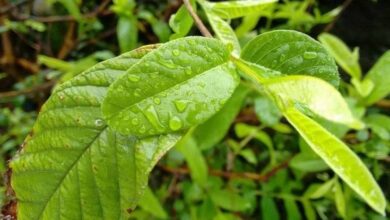
Why Ashwagandha Tea Is Becoming the Most Popular Adaptogen Drink in 2026


Why Ashwagandha Tea Is Becoming the Most Popular Adaptogen Drink in 2026
Imagine a cup that holds not just a beverage, but a warm, earthy embrace for your nervous system, a golden elixir that whispers calm into the chaos of modern life. This isn’t a dream, dear reader, it’s the reality brewing in countless kitchens right now, and by 2026, it will be a staple in every wellness-conscious home. We’re talking about Ashwagandha tea, the ancient adaptogen that’s quietly, yet powerfully, rising to become the most sought-after drink for balance and well-being. Forget fleeting trends; Ashwagandha is here to stay, offering a profound sense of grounded resilience that our busy world desperately craves.
The Ancient Roots of Modern Resilience: Ashwagandha’s Journey
To truly appreciate the magic of Ashwagandha, we must journey back thousands of years to the heart of Ayurvedic medicine in India. Known as Withania somnifera in scientific circles, but more lovingly as “Indian Ginseng” or “Winter Cherry,” Ashwagandha translates from Sanskrit as “smell of the horse,” alluding not only to its unique aroma but also to its traditional belief of imparting the strength and vitality of a horse. For millennia, this revered herb has been a cornerstone of Ayurvedic healing, classified as a ‘Rasayana’ – an herb that promotes overall health, longevity, and a youthful state of physical and mental well-being.
In ancient texts, Ashwagandha was celebrated for its ability to rejuvenate, reduce stress, and enhance cognitive function. It was prescribed for a myriad of conditions, from nervous exhaustion and sleeplessness to promoting vigor and reproductive health. Its significance wasn’t just medicinal; it was deeply intertwined with daily life, a natural ally in maintaining equilibrium in a world far removed from our digital demands, yet still full of its own stresses. Today, as global awareness of holistic health grows, this ancient wisdom is experiencing a magnificent resurgence. People across continents are rediscovering Ashwagandha, drawn by its time-tested efficacy and its gentle, yet potent, support for navigating the modern landscape of chronic stress, anxiety, and the relentless pursuit of balance.
Brewing Your Bliss: The Art of Ashwagandha Tea
Crafting a cup of Ashwagandha tea is a ritual, a moment of mindful connection to an ancient plant ally. Whether you prefer the grounding warmth of a hot brew or the refreshing coolness of an iced infusion, the process is simple and deeply rewarding.
Hot Ashwagandha Tea: Your Daily Dose of Calm
For a truly potent and flavorful cup, I recommend using high-quality organic Ashwagandha root powder or finely cut and sifted root. Brands like Mountain Rose Herbs and Frontier Co-op are my go-to for sustainably sourced, premium ingredients.
- Measurements: For one serving, combine 1 teaspoon of Ashwagandha root powder (or 1-2 teaspoons of cut root) with 8-10 ounces of water.
- Brewing Instructions:
- Bring your water to a gentle boil.
- If using root powder: Add the powder directly to a mug, then pour the hot water over it. Stir well to dissolve.
- If using cut root: Place the root in a small saucepan with the water. Bring to a simmer, then reduce heat and let it gently simmer for 5-10 minutes. This decoction method extracts more of the beneficial compounds. Strain the liquid into your mug.
- Allow the tea to cool slightly before drinking.
- Flavor Combinations: Ashwagandha has a distinct earthy, slightly bitter flavor that pairs beautifully with warming spices.
- Spicy & Sweet: Add a pinch of Simply Organic Ceylon cinnamon, a slice of fresh ginger, and a dash of ground cardamom during brewing. Sweeten with a teaspoon of raw honey or maple syrup.
- Creamy Vanilla: Stir in a splash of your favorite plant-based milk (oat or almond work wonderfully) and a drop of pure vanilla extract after brewing.
- Citrus Bright: A squeeze of fresh lemon juice can cut through the earthiness and add a refreshing zing.
- Serving Suggestions: Enjoy your Ashwagandha tea in the morning to support sustained energy and focus, or in the evening as part of your winding-down ritual for restful sleep. Its adaptogenic qualities work to balance your system regardless of the time of day, making it a versatile ally.
Cold Ashwagandha Tea: A Refreshing Adaptogenic Quencher
On warmer days, or when you need a cooling moment of calm, an iced Ashwagandha tea is a delightful option.
- Preparation: Brew a stronger batch of hot Ashwagandha tea (using 1.5-2 teaspoons of root per 8 ounces of water). Let it cool completely.
- Serving: Pour over ice. Add a squeeze of lime or a few slices of cucumber for an extra refreshing twist. Sweeten lightly with agave nectar if desired.
- Variations: Blend the cooled tea with fresh fruit like berries or mango for a nourishing adaptogenic smoothie.
Expert Insider Tips from Your Herbalist Friend
After a decade immersed in the world of herbs, I’ve gathered a few secrets that can elevate your Ashwagandha experience from good to absolutely transformative.
- Source Matters Immensely: Not all Ashwagandha is created equal. Look for organic, ethically sourced root, ideally from reputable suppliers like Mountain Rose Herbs or Frontier Co-op. They often provide information on the ‘withanolide’ content, the active compounds responsible for Ashwagandha’s benefits. Higher quality means higher efficacy.
- Consistency is Key (and Patience!): Ashwagandha isn’t a quick fix; it’s a long-term relationship. Its adaptogenic effects build up over time. Commit to daily use for at least 4-6 weeks to truly notice its profound balancing effects. Don’t get discouraged if you don’t feel a dramatic shift overnight.
- The “Fat Factor” for Absorption: Withanolides are fat-soluble. Consuming your Ashwagandha tea with a healthy fat can enhance its absorption. Stir in a tiny dollop of ghee, coconut oil, or a splash of full-fat plant milk into your warm tea. This is especially true if you’re using a powdered extract.
- Listen to Your Body: While Ashwagandha is generally well-tolerated, pay attention to how your body responds. Some find it energizing, others find it calming. Adjust your timing (morning vs. evening) to best suit your personal rhythm.
- Consider a Blend: For a more complex flavor and synergistic benefits, consider blending Ashwagandha with other adaptogens or nervines. For example, a touch of Holy Basil (Tulsi) for enhanced stress relief, or a pinch of Chamomile for deeper relaxation. Brands like Yogi Tea often create beautiful, balanced blends you can draw inspiration from.
The Golden Promise: Health and Wellness Benefits
The global embrace of Ashwagandha tea isn’t just about taste; it’s profoundly rooted in its scientifically supported health benefits, which align perfectly with our collective need for natural wellness solutions. This potent root is an adaptogen, meaning it helps your body adapt to and resist physical, chemical, and biological stressors, bringing your system back into balance.
- Stress Reduction and Anxiety Relief: This is Ashwagandha’s superstar quality. Research has shown its ability to significantly lower cortisol levels, the body’s primary stress hormone. Regular consumption can lead to a calmer mind, reduced feelings of anxiety, and improved emotional resilience.
- Enhanced Sleep Quality: While not a sedative, Ashwagandha helps promote restorative sleep by addressing underlying stress and anxiety that often interfere with a good night’s rest. Many users report falling asleep more easily and waking up feeling more refreshed.
- Improved Energy and Stamina: Paradoxically, by reducing stress and improving sleep, Ashwagandha can also boost energy levels and endurance without the jittery effects of stimulants. It supports adrenal health, helping your body manage energy production more efficiently.
- Cognitive Function and Memory: Studies suggest that Ashwagandha can enhance memory, attention, and overall cognitive performance, especially in times of stress. It’s believed to protect brain cells from damage and promote nerve growth.
- Immune System Support: Ashwagandha has immunomodulatory properties, meaning it can help balance and strengthen the immune system, making your body more resilient to illness.
- Hormonal Balance: Particularly beneficial for women, Ashwagandha can support thyroid function and may help alleviate symptoms associated with hormonal imbalances, including those related to menstruation and menopause.
Common Mistakes to Avoid on Your Ashwagandha Journey
Embarking on any new herbal ritual can come with a few missteps. Here’s what beginners often get wrong when brewing or consuming Ashwagandha tea:
- Expecting Instant Miracles: As mentioned, Ashwagandha works subtly and cumulatively. Don’t drink one cup and expect a complete transformation. Give it time – weeks, not days.
- Using Low-Quality Products: Cheap Ashwagandha powders might be diluted, contaminated, or simply lack the potent active compounds. Invest in organic, reputable sources.
- Incorrect Dosage: Too little might yield no results, while too much (especially with extracts) can sometimes lead to mild digestive upset. Stick to the recommended 1 teaspoon of root powder per cup, or as directed on specific product labels.
- Ignoring Taste: Ashwagandha has a strong, earthy flavor. Many beginners try to force it down plain. Don’t be afraid to experiment with the flavor combinations I suggested – make it enjoyable!
- Inconsistent Use: Skipping days or weeks will hinder its adaptogenic effects. Make it a consistent part of your daily routine for optimal benefits.
- Over-Reliance on Teas: While tea is wonderful, for specific therapeutic needs, a standardized extract in capsule form might be more appropriate, offering a guaranteed dose of active compounds.
Safety First: Important Precautions and Contraindications
While Ashwagandha is generally considered safe for most adults, it’s a potent herb, and certain individuals should exercise caution or avoid it altogether. Always consult with a healthcare professional before adding any new herb to your regimen, especially if you have existing health conditions or are taking medications.
- Pregnancy and Breastfeeding: Ashwagandha is traditionally used to induce abortions in some cultures and is generally not recommended for pregnant or breastfeeding women due to insufficient safety data.
- Autoimmune Diseases: Individuals with autoimmune conditions such as rheumatoid arthritis, lupus, Hashimoto’s thyroiditis, or multiple sclerosis should use Ashwagandha with caution, as it may stimulate the immune system.
- Thyroid Conditions: