The Complete Guide to Making Your Own Herbal Tea Blends and Selling Them

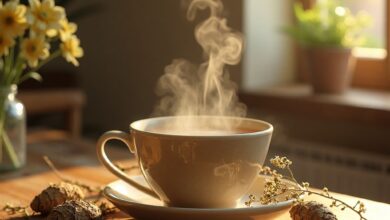
Oh, the whisper of steam rising from a freshly brewed cup, carrying with it the fragrant promises of nature’s bounty! Imagine a blend where the sweet lullaby of lavender dances with the bright zest of lemon balm, or where the invigorating snap of peppermint awakens your senses alongside the warm embrace of ginger. Most of us call these delightful concoctions “herbal teas,” but did you know that, botanically speaking, they’re actually ’tisanes’? True tea comes from the *Camellia sinensis* plant, while tisanes are infusions made from any other part of a plant—leaves, flowers, roots, bark, or seeds. This subtle distinction opens up an entire universe of possibilities, allowing us to craft an infinite array of flavors and benefits, transforming simple botanicals into liquid gold. And what if that liquid gold could also become a golden opportunity for you?
The Ancient Roots of Aromatic Infusions
The story of herbal infusions is as old as humanity’s connection to the earth itself. For millennia, cultures across the globe have steeped botanicals in hot water, not just for pleasure, but for profound wellness. From the ancient Egyptians who prized chamomile for its calming properties and hibiscus for its vibrant color and cooling effects, to traditional Chinese medicine’s intricate decoctions of roots and barks, and the indigenous peoples of the Americas who relied on native plants like echinacea and peppermint for healing and ceremony—herbal teas are woven into the very fabric of human history. These aren’t just trendy drinks; they are legacies, passed down through generations, embodying a deep reverence for nature’s pharmacy. Today, as we navigate a world increasingly seeking natural solutions and mindful moments, the humble herbal tea stands as a comforting, accessible bridge to these ancient traditions, offering solace, refreshment, and a gentle path to well-being.
Crafting Your Signature Sips: The Art of Herbal Tea Blending
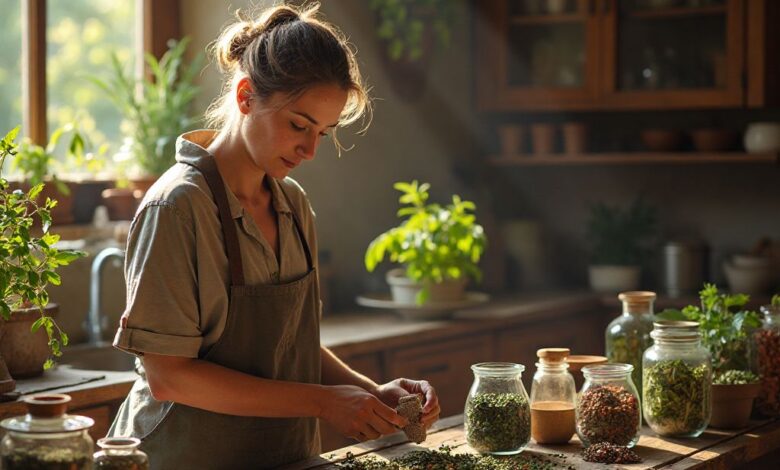
Embarking on the journey of blending your own herbal teas is a truly rewarding experience, whether you’re crafting for personal enjoyment or dreaming of sharing your creations with the world. It’s a dance of flavors, aromas, and therapeutic properties, requiring both knowledge and intuition.
Understanding Your Ingredients and Flavor Profiles
Every herb brings its unique personality to a blend. Think of them as notes in a symphony:
- Aromatic & Floral: Lavender, Rose Petals, Chamomile, Jasmine. These provide soothing, sometimes slightly sweet, and often visually appealing elements.
- Minty & Refreshing: Peppermint, Spearmint, Lemon Balm. Invigorating, cooling, and excellent for digestion.
- Zesty & Citrusy: Lemon Peel, Orange Peel, Lemongrass, Hibiscus (tart). Brighten a blend and add a tangy kick.
- Spicy & Warming: Ginger Root, Cinnamon Bark, Cardamom Pods, Clove. Perfect for comforting, digestive, and circulation-boosting blends.
- Earthy & Rooty: Dandelion Root, Burdock Root, Chicory Root. Often roasted for a coffee-like depth, good for detox and grounding.
- Fruity & Sweet: Rose Hips, Elderberries, Apple Pieces, Raspberry Leaf. Add natural sweetness, vitamins, and a lovely aroma.
Sourcing Your Botanical Treasures
The quality of your ingredients is paramount. Always opt for organic, sustainably sourced herbs. Reputable suppliers like Mountain Rose Herbs and Frontier Co-op are excellent resources for bulk dried herbs, offering a wide selection and ensuring purity. For culinary spices, brands like Simply Organic maintain high standards. When buying, check for vibrant color, strong aroma, and minimal dust or foreign matter.
Brewing the Perfect Cup: Measurements and Techniques
The general rule of thumb for dried herbs is 1-2 teaspoons per 8 ounces (1 cup) of hot water. For roots, barks, or larger pieces, you might use slightly more. Always use filtered water for the best flavor.
- Hot Infusion (Standard Tea): Bring fresh, filtered water to a boil. Pour over your herb blend. Cover your mug or teapot to keep the volatile oils from escaping. Steep for 5-10 minutes, or longer for a stronger brew. Strain and enjoy.
- Decoction (for roots/barks): For tougher plant parts like ginger or dandelion root, a decoction is better. Combine herbs and cold water in a saucepan, bring to a boil, then reduce heat and simmer for 10-20 minutes. Strain.
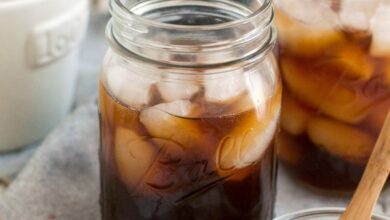
- Cold Infusion (Iced Tea): Place your herb blend in a pitcher with cold water. Refrigerate for 4-8 hours, or even overnight, allowing the flavors to slowly meld. This often results in a smoother, less bitter taste.
Flavor Combinations and Recipe Ideas
Let your creativity flow! Here are a few starting points:
- Relaxation Blend: 1 tsp Chamomile, 1/2 tsp Lavender, 1/2 tsp Lemon Balm. (Hot or cold)
- Digestive Aid: 1 tsp Peppermint, 1/2 tsp Ginger (dried or fresh grated), 1/4 tsp Fennel Seeds. (Hot)
- Immune Booster: 1 tsp Rose Hips, 1/2 tsp Elderberries, 1/4 tsp Cinnamon, a pinch of Orange Peel. (Hot or cold)
- Morning Zest: 1 tsp Lemongrass, 1/2 tsp Hibiscus, 1/4 tsp dried Ginger. (Hot or cold)
From Passion to Profit: Selling Your Herbal Tea Blends
If your blends are garnering rave reviews from friends and family, perhaps it’s time to turn your passion into a thriving business. This requires a mindful approach to quality, legality, and branding.
Navigating the Legal Landscape
This is critical. When selling food or drink products, you enter a regulated space.
- FDA Regulations: The Food and Drug Administration (FDA) oversees food products. You cannot make specific medical claims about your teas (e.g., “cures insomnia” or “lowers blood pressure”). You can, however, describe traditional uses (e.g., “traditionally used for relaxation” or “supports digestion”).
- Good Manufacturing Practices (GMP): Maintain a clean, organized, and food-safe environment for blending and packaging. Cross-contamination is a serious concern.
- Labeling Requirements: Your labels must be accurate and include:
- Product name (e.g., “Relaxing Herbal Blend”)
- Net weight (e.g., “Net Wt. 2 oz”)
- Ingredient list in descending order by weight (e.g., “Ingredients: Organic Chamomile, Organic Lavender, Organic Lemon Balm”)
- Your business name and contact information
- Allergen warnings (if applicable)
- “Supplement Facts” panel is NOT required for general herbal teas, but if you make any structure/function claims, you enter a different regulatory category. Stick to “tea” or “tisane.”
- State & Local Laws: Check with your local health department and state agricultural department for specific permits, licenses, and kitchen requirements. Cottage food laws in some states may allow you to start from a home kitchen, but often have sales limits.
Branding and Packaging with Purpose
Your brand tells your story. What feeling do you want to evoke? Calm? Energy? Wellness?
- Name & Logo: Choose a memorable name that reflects your brand (e.g., “Rooted & Brewed,” “Zen Blossom Teas”). Invest in a professional logo.
- Packaging: This is your product’s first impression. Use food-grade, airtight, light-blocking packaging (e.g., stand-up pouches, tins, glass jars). Consider eco-friendly options. Brands like Harney & Sons and Twinings showcase beautiful, functional packaging.
- Storytelling: Use your packaging and website to share your passion, your sourcing philosophy, and the inspiration behind your blends.
Pricing and Market Strategy
- Cost Analysis: Calculate your cost of goods (herbs, packaging, labels) per unit. Add in labor, overhead, and marketing costs.
- Competitive Pricing: Research similar products from brands like Yogi Tea or Celestial Seasonings. Position your product based on quality, uniqueness, and target market.
- Sales Channels: Start small! Farmers’ markets, local craft fairs, online marketplaces (Etsy, your own website), and partnerships with local cafes or wellness studios are great starting points.
Expert Insider Tips from Your Herbalist Friend
- The “Symbiotic Sip” Secret: Beyond just flavor pairing, consider how herbs enhance each other therapeutically. For example, a touch of licorice root can potentiate other herbs, making them more effective, and also adds a natural sweetness. Rose hips not only add vitamin C but also help balance the astringency of other berries.
- The Power of the Palette Cleanser: When developing multiple blends, always have plain water or a simple cracker on hand to cleanse your palate between tastings. This prevents flavor fatigue and ensures you’re accurately assessing each blend.
- Master the “Base, Body, Accent” Rule: Every great blend has a base herb (the majority, often a mild, pleasant flavor like oatstraw or peppermint), a body herb (adds character and therapeutic action like ginger or hibiscus), and an accent herb (a small amount for a unique aroma or flavor pop, like a pinch of cardamom or a few rose petals).
- Keep Meticulous Records: For every blend you create, note the exact ratios, steeping times, water temperature, and your tasting notes. This is invaluable for consistency, refinement, and recreating successful batches.
- Invest in a Quality Grinder: For roots, barks, or even larger leaf pieces, a dedicated spice grinder (or even a coffee grinder you only use for herbs) will help you achieve a consistent grind, which is key for even extraction and flavor.
Nourishing Body and Soul: Health and Wellness Benefits
Herbal teas are more than just delicious; they are gentle allies in our pursuit of well-being. While specific benefits depend on the herbs used, many offer a spectrum of advantages:
- Stress Reduction & Relaxation: Herbs like chamomile, lavender, and lemon balm are renowned for their nervine properties, helping to calm the nervous system, reduce anxiety, and promote restful sleep.
- Digestive Support: Peppermint, ginger, fennel, and licorice root can soothe upset stomachs, alleviate bloating, and aid in healthy digestion.
- Immune Boosting: Elderberry, rose hips (rich in Vitamin C), and echinacea are traditionally used to strengthen the immune system and help ward off seasonal sniffles.
- Anti-inflammatory Properties: Turmeric, ginger, and certain green tea varieties (though not a tisane, often blended with herbs) contain compounds that can help reduce inflammation in the body.