Why Every Home Cook Needs to Understand the Difference Between Herb Types

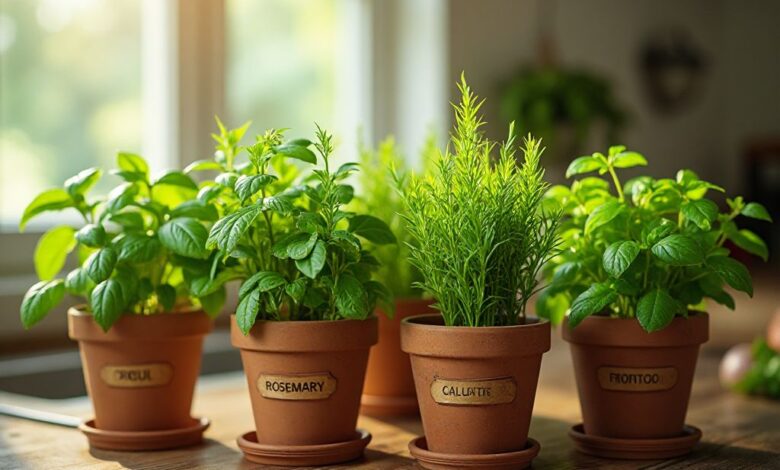
Have you ever reached for a sprig of fresh rosemary, intending to brighten a delicate fish dish, only to find its robust, piney notes overpowering the subtle flavors? Or perhaps you’ve lovingly planted a row of basil, only to see it wilt and struggle while your neighboring thyme thrives? The secret to unlocking the true magic of herbs in your kitchen, garden, and wellness routine isn’t just about having them – it’s about understanding them. It’s about recognizing that a whisper of fresh dill is fundamentally different from a slow-cooked bay leaf, and treating them accordingly.
Imagine a world where every dish you create sings with perfectly balanced herbaceous notes, where your garden bursts with thriving greenery, and where your herbal teas offer targeted comfort and vitality. This isn’t a fantasy; it’s the reality that opens up when you, the home cook, embrace the profound wisdom of distinguishing between herb types. It’s the difference between a good meal and an unforgettable one, a struggling plant and a flourishing one, a pleasant drink and a truly beneficial one.
The Ancient Roots and Enduring Relevance of Herbs
From the dawn of civilization, herbs have been interwoven with human existence, serving as our first medicines, our earliest flavor enhancers, and sacred components of ritual. Ancient Egyptians used mint and thyme in embalming and as digestive aids. Roman soldiers carried rosemary to boost memory and courage. Indigenous cultures across the Americas relied on sage for purification and healing, while Asian traditions have revered ginger and turmeric for millennia for both their culinary depth and profound medicinal properties.
The story of herbs is the story of humanity’s connection to the earth. They are nature’s gifts, offering a kaleidoscope of flavors, aromas, and therapeutic compounds. Today, in our increasingly globalized kitchens, herbs are more accessible than ever, bridging cultures and bringing vibrant life to our plates. But with this abundance comes a crucial need for discernment. Just as you wouldn’t use cayenne pepper in place of black pepper without understanding the difference in heat and flavor, you shouldn’t treat all herbs as interchangeable. Their diverse histories and botanical characteristics mean they demand different approaches in the kitchen, garden, and medicine cabinet, and understanding these nuances is what elevates a cook from novice to maestro, and a gardener from hopeful to expert.
Unlocking the Power: Understanding Herb Types for Every Home Cook
To truly master herbs, we must move beyond simply recognizing their names and delve into their fundamental characteristics. Think of herbs as falling into distinct families, each with its own personality and best practices. Let’s explore these crucial distinctions.
Culinary Herbs: Flavor, Function, and Fantastic Pairings
The culinary world is where the distinction between herb types truly shines. Not all herbs are created equal when it comes to heat, cooking time, or flavor intensity.
Tender Leafy Herbs: The Finishing Touch
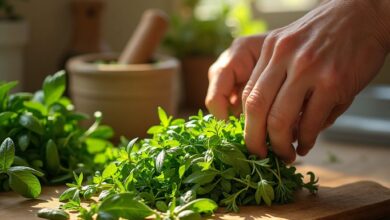
These are your delicate darlings, often with soft, pliable leaves and bright, volatile oils that diminish quickly with heat. Think of basil, cilantro, parsley, mint, chives, and dill. Their flavor profiles are typically fresh, vibrant, and aromatic.
- Flavor Profiles: Basil offers sweet, peppery notes; cilantro is bright, citrusy, and sometimes polarizing; parsley is fresh, green, and slightly peppery; mint is cool and refreshing; chives provide a mild oniony zest; dill is grassy and anise-like.
- Best Food Pairings: These herbs excel when added at the end of cooking, as a garnish, or in dishes where they aren’t subjected to prolonged heat. Basil shines in Caprese salads, pestos (try a homemade pesto with Simply Organic basil!), and tomato sauces. Cilantro is indispensable in Mexican, Thai, and Indian cuisines, brightening salsas, curries, and tacos. Parsley is a universal garnish, wonderful in tabbouleh or sprinkled over roasted vegetables. Mint elevates salads, lamb dishes, and refreshing drinks.
- Cooking Techniques: Add fresh tender herbs right before serving or during the last few minutes of cooking. They are perfect for raw applications, dressings, and dips.
- Storage Tips: Treat them like a bouquet of flowers! Trim the stems, place them in a jar with an inch of water, cover loosely with a plastic bag, and refrigerate. They’ll stay fresh for days. For cilantro and parsley, you can also wash, dry thoroughly, and wrap in a damp paper towel before placing in a sealed bag in the fridge.
- Substitution Options: Generally, it’s best to find a herb with a similar flavor profile. For basil, try oregano or marjoram in a pinch, but know the flavor will be different. For cilantro, flat-leaf parsley is often used, but it lacks the distinctive citrusy notes.
Woody/Hardy Herbs: The Long-Haul Flavor Builders
These herbs, characterized by their sturdy stems and often smaller, tougher leaves, are built for endurance. Rosemary, thyme, oregano, sage, and bay leaves fall into this category. Their essential oils are released slowly, making them ideal for dishes that simmer, roast, or stew for extended periods.
- Flavor Profiles: Rosemary is piney, lemony, and slightly peppery; thyme is earthy, minty, and subtly floral; oregano is pungent, peppery, and slightly bitter; sage is savory, earthy, and slightly camphorous; bay leaves offer a subtle, almost medicinal aroma that deepens with cooking.
- Best Food Pairings: These are the backbone of many hearty cuisines. Rosemary is fantastic with lamb, chicken, potatoes, and breads. Thyme complements roasted meats, vegetables, soups, and stews. Oregano is a star in Mediterranean and Italian dishes, from pizza to pasta sauces. Sage is a classic with poultry, pork, and stuffing. Bay leaves are essential for stocks, braises, and slow-cooked sauces.
- Cooking Techniques: Add woody herbs early in the cooking process to allow their flavors to fully infuse the dish. Whole sprigs can be easily removed before serving.
- Storage Tips: Fresh woody herbs can be wrapped in a damp paper towel and stored in a sealed bag in the refrigerator for up to two weeks. They also dry beautifully, maintaining much of their flavor. Simply hang small bundles upside down in a cool, dark, well-ventilated area until brittle, then strip the leaves and store in airtight jars.
- Substitution Options: Rosemary and thyme can sometimes be swapped, but they have distinct characters. Sage is quite unique; dried marjoram can offer a somewhat similar earthiness.
Dried vs. Fresh: A Crucial Ratio
This is where many home cooks stumble! Dried herbs are far more concentrated than fresh herbs because their water content has been removed. A general rule of thumb is: 1 teaspoon of dried herb = 1 tablespoon of fresh herb. Always adjust to taste, but this ratio is a great starting point, especially when using high-quality dried herbs from brands like Simply Organic or Frontier Co-op.
Herb Gardening and Growing: Nurturing Your Green Companions
Understanding herb types is paramount for successful gardening. Different herbs have vastly different needs when it comes to soil, sunlight, and water.
Annuals vs. Perennials: Planning Your Plot
- Annuals: Herbs like basil, cilantro, and dill complete their life cycle in one growing season. They need to be replanted each year. They often prefer rich, well-draining soil and consistent moisture.
- Perennials: Rosemary, thyme, oregano, sage, and mint are perennials, returning year after year. Many woody perennials prefer poorer, well-draining soil and can tolerate more drought once established. Mint, while perennial, is notoriously vigorous and often best grown in containers to prevent it from taking over your garden.
Soil, Sun, and Water Needs: Tailoring the Environment
- Sunlight: Most culinary herbs, especially the woody varieties, are sun-lovers, thriving in 6-8 hours of direct sunlight. Tender herbs like basil also love sun but appreciate some afternoon shade in very hot climates. Herbs like parsley and mint can tolerate partial shade.
- Soil Requirements: Good drainage is key for almost all herbs. Woody herbs (rosemary, thyme) prefer lean, slightly sandy soil. Tender herbs (basil, parsley) appreciate richer, more fertile soil. If your soil is heavy clay, consider amending it with compost and sand, or use raised beds/containers. Products like Miracle-Gro’s Potting Mix are excellent for container growing.
- Watering Schedule: Woody herbs are generally more drought-tolerant. Water them when the top inch or two of soil feels dry. Tender herbs, especially basil, need more consistent moisture but still resent soggy feet. Always check the soil before watering to avoid over or under-watering.
Harvesting Techniques: Maximizing Yield and Flavor
- Tender Herbs: Pinch off leaves or small stems from the top to encourage bushier growth rather than letting the plant bolt (go to seed). For basil, harvest regularly to keep new leaves coming.
- Woody Herbs: Snip sprigs from the top of the plant. Regular harvesting encourages new growth. Avoid taking more than a third of the plant at once.
Container vs. Ground Growing: Space and Control
Many herbs, especially those with aggressive spreading habits like mint, are ideal for container growing. Burpee Seeds offers a fantastic variety of herb seeds perfect for both ground and container gardens. Containers also allow you to control soil conditions more precisely and move plants to optimize sun exposure.
Herbal Teas and Drinks: Brewing for Wellness
The world of herbal teas is vast and incredibly diverse, and here, understanding the *part* of the plant used (leaves, flowers, roots, seeds) is crucial, as is the type of herb itself.
Leafy Infusions (e.g., Peppermint, Lemon Balm, Holy Basil)
- Brewing Instructions: For delicate leaves, use 1-2 teaspoons of dried herb (or 1-2 tablespoons fresh) per 8 oz of hot (not boiling) water. Steep for 5-10 minutes, covered, to retain volatile oils.
- Health Benefits: Peppermint (Yogi Tea’s Purely Peppermint is a classic) is known for digestive support; lemon balm for calming and stress relief; holy basil (Tulsi) for adaptogenic properties.
- Flavor Combinations: Peppermint pairs well with ginger; lemon balm with chamomile.
Flowering Infusions (e.g., Chamomile, Lavender, Hibiscus)
- Brewing Instructions: Use 1-2 teaspoons of dried flowers per 8 oz of hot (not boiling) water. Steep for 5-15 minutes, covered.
- Health Benefits: Chamomile (Celestial Seasonings Sleepytime Tea is famous) is renowned for relaxation and sleep; lavender for calming; hibiscus for its tart, cranberry-like flavor and antioxidant properties.
- Flavor Combinations: Chamomile with honey and lemon; hibiscus with ginger and lime.
Root/Bark Decoctions (e.g., Ginger, Turmeric, Licorice Root)
- Brewing Instructions: Roots and barks are tougher and require decoction (simmering) to extract their beneficial compounds. Use 1-2 teaspoons of dried, chopped root/bark per 8 oz of water. Simmer, covered, for 10-20 minutes.
- Health Benefits: Ginger is excellent for digestion and nausea; turmeric for its anti-inflammatory properties; licorice root for soothing throats.
Brands like Mountain Rose Herbs and Frontier Co-op offer a wide selection of bulk dried herbs perfect for crafting your own custom tea blends.
Expert Insider Tips for Herb Mastery
- The “Sniff Test” is Your Best Friend: Before buying or using any herb, fresh or dried, give it a good sniff. Fresh herbs should smell vibrant and true to their nature. Dried herbs should still have a noticeable aroma; if they smell like dust, they’re past their prime and won’t add much flavor.
- Taste Test Your Dried Herbs: When a recipe calls for a specific dried herb you don’t use often, taste a tiny pinch. This helps you gauge its potency and adjust the amount accordingly. This is especially true for robust herbs like oregano or thyme from a quality brand like Simply Organic.
- Embrace the Herb Garden Microclimate: Even within your garden, you can create