

The air in my kitchen often hums with the vibrant, verdant scent of freshly picked herbs – a symphony of aromas that instantly transports me to sun-drenched gardens and bustling marketplaces. But have you ever stopped to consider that these fragrant leaves, so often relegated to a mere garnish, are actually tiny powerhouses of flavor, nutrition, and ancient wisdom? It’s true! One of the most surprising facts about fresh herbs is their incredibly dense nutritional profile; gram for gram, many herbs contain more antioxidants than some fruits and vegetables. Beyond their health prowess, they possess an almost magical ability to transform an ordinary dish into an extraordinary culinary experience. If you’ve ever felt intimidated by that vibrant bunch of basil or wondered how to truly unlock the potential of a sprig of rosemary, you’re in the perfect place. Today, we’re embarking on a delightful journey into the heart of fresh herb cooking, and I promise, your taste buds will thank you.
The Ancient Roots of Flavor: A Brief History of Herbs
For millennia, long before modern medicine or grocery stores, herbs were central to human existence. Our ancestors, guided by intuition and observation, discovered the incredible properties of these plants. From the fertile crescent where Sumerians recorded their use of thyme and mint in ancient texts, to the elaborate botanical gardens of ancient Egypt where priests and physicians cultivated herbs for healing and ritual, these green wonders have shaped cultures across the globe. The Greeks and Romans used herbs not only for medicine and food but also in religious ceremonies, perfumes, and even as symbols of honor and victory. Think of laurel wreaths for champions or rosemary for remembrance. Along the Silk Road, herbs like cilantro and parsley traveled, weaving their way into the culinary tapestries of Asia, the Middle East, and Europe. Indigenous cultures in the Americas have always honored native herbs like oregano and mint for both sustenance and healing. Today, this rich legacy continues. Whether it’s the aromatic basil in your Italian pesto, the zesty cilantro in your tacos, or the soothing mint in your tea, fresh herbs connect us to a global heritage of flavor, wellness, and a deep respect for the botanical world. They remind us that the best ingredients often come directly from the earth, brimming with life and history.
Unlocking the Magic: A Guide to Culinary Herbs
Ready to dive in? Let’s explore some of the most beloved fresh herbs and how to make them shine in your everyday cooking. Remember, fresh herbs are delicate, vibrant, and packed with volatile oils that give them their unique character. They are meant to be celebrated!
Basil (Sweet Basil)
- Flavor Profile: Sweet, peppery, with hints of anise and clove. Truly aromatic and instantly recognizable.
- Best Food Pairings: Tomatoes (a classic!), mozzarella, pasta sauces, pesto, chicken, fish, salads, pizzas, even strawberries.
- Cooking Techniques: Basil is delicate, so add it at the very end of cooking or as a fresh garnish. Heat diminishes its vibrant flavor. Tear the leaves rather than cutting with a knife to prevent bruising and preserve its oils.
- Storage Tips: Treat basil like a bouquet of flowers. Trim the stems, place them in a glass of water, and cover loosely with a plastic bag. Keep at room temperature, not in the fridge, for up to a week.
- Substitution Options: If fresh isn’t available, dried basil can be used, but use about 1/3 the amount as its flavor is more concentrated. For a fresh flavor, try a mix of fresh mint and parsley.
Parsley (Flat-Leaf/Italian & Curly)
- Flavor Profile: Flat-leaf parsley is bright, fresh, slightly peppery, and herbaceous. Curly parsley is milder and often used for garnish.
- Best Food Pairings: Almost everything! Soups, stews, salads, marinades, dressings, roasted vegetables, fish, chicken, eggs, tabouleh.
- Cooking Techniques: Can be added early in cooking for a deeper flavor, or at the end for a fresh, vibrant pop. Chop finely or roughly, depending on the dish. Don’t discard the stems; they’re packed with flavor and excellent for stocks!
- Storage Tips: Wash, gently pat dry, wrap in a slightly damp paper towel, and place in a zip-top bag in the refrigerator. Stays fresh for 1-2 weeks.
- Substitution Options: Cilantro (if you enjoy its flavor), chervil, or even celery leaves in a pinch.
Cilantro
- Flavor Profile: Bright, citrusy, fresh, and slightly peppery. For some, it has a soapy taste (a genetic predisposition!).
- Best Food Pairings: Mexican cuisine (salsas, tacos, guacamole), Thai curries, Indian dishes, Vietnamese pho, and many Middle Eastern and South American recipes.
- Cooking Techniques: Like basil, cilantro’s flavor is best preserved when added at the very end of cooking or as a fresh garnish. The stems are also very flavorful and can be finely chopped with the leaves.
- Storage Tips: Similar to parsley – wash, pat dry, wrap in a damp paper towel, and store in a zip-top bag in the fridge.
- Substitution Options: Parsley (though the flavor profile is different), or a combination of parsley and a squeeze of lime juice for a similar brightness.
Mint
- Flavor Profile: Cool, refreshing, sweet, with a distinct menthol aroma. Many varieties exist, like spearmint and peppermint.
- Best Food Pairings: Lamb, peas, potatoes, fruit salads, chocolate, cocktails (mojitos!), teas, and Middle Eastern dishes like tabouleh.
- Cooking Techniques: Best used fresh and added at the end. Tear or gently muddle leaves to release their oils.
- Storage Tips: Wash, pat dry, wrap in a damp paper towel, and store in a zip-top bag in the fridge.
- Substitution Options: Basil (for sweetness, not coolness), or a touch of lemon zest for brightness.
Thyme
- Flavor Profile: Earthy, woody, slightly lemony, and subtly floral. Robust and aromatic.
- Best Food Pairings: Roasted chicken, potatoes, root vegetables, stews, soups, eggs, mushrooms, and savory pies.
- Cooking Techniques: Thyme is hardy and holds up well to heat. Add sprigs early in cooking to infuse dishes with its deep flavor. Leaves can be stripped from the woody stems.
- Storage Tips: Wrap in a slightly damp paper towel and place in a zip-top bag in the refrigerator. Stays fresh for 2-3 weeks.
- Substitution Options: Oregano or marjoram for a similar earthy, savory note.
Rosemary
- Flavor Profile: Pungent, piney, resinous, with notes of lemon and pepper. Very strong and distinctive.
- Best Food Pairings: Lamb, chicken, potatoes, roasted root vegetables, focaccia bread, olive oil, and some fruit desserts (like apple or pear).
- Cooking Techniques: Like thyme, rosemary is robust. Add whole sprigs early in cooking to infuse flavor, removing them before serving. Finely chop the leaves for a more integrated flavor, as whole leaves can be tough.
- Storage Tips: Wrap in a slightly damp paper towel and place in a zip-top bag in the refrigerator.
- Substitution Options: Thyme (for earthy notes), or a small amount of dried rosemary (use sparingly).
Oregano
- Flavor Profile: Pungent, peppery, earthy, and slightly bitter. Often associated with Mediterranean flavors.
- Best Food Pairings: Italian and Greek dishes (pizza, pasta sauces, Greek salads), roasted meats, vegetables, marinades, and chili.
- Cooking Techniques: Can be added early for a deeper flavor infusion, or at the end for a brighter punch. Chop finely.
- Storage Tips: Wrap in a slightly damp paper towel and place in a zip-top bag in the refrigerator.
- Substitution Options: Marjoram (milder), thyme, or a blend of Italian herbs.
Simple Recipe: Bright & Zesty Herb Dressing
This versatile dressing is a fantastic way to introduce fresh herbs into your cooking!
- 1/4 cup extra virgin olive oil
- 2 tablespoons fresh lemon juice (or apple cider vinegar)
- 1 tablespoon finely chopped fresh parsley
- 1 tablespoon finely chopped fresh dill (or basil, or a mix!)
- 1 small clove garlic, minced
- 1/2 teaspoon Dijon mustard
- Salt and freshly ground black pepper to taste
- In a small bowl, whisk together the lemon juice (or vinegar), minced garlic, Dijon mustard, salt, and pepper.
- Slowly drizzle in the olive oil while continuously whisking until the dressing is emulsified and creamy.
- Stir in the fresh herbs. Taste and adjust seasonings as needed.
- Drizzle over salads, roasted vegetables, grilled chicken, or use as a marinade. Enjoy immediately!
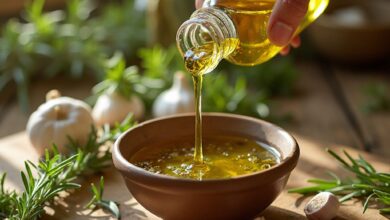
Quick Herb-Infused Oil
A wonderful way to capture the essence of your favorite herbs.
- 1 cup good quality extra virgin olive oil
- 1/4 cup fresh herbs (rosemary, thyme, oregano, or a mix), lightly bruised or roughly chopped
- Gently heat the olive oil in a small saucepan over very low heat. Do not let it simmer or boil.
- Add the fresh herbs to the warm oil.
- Let the herbs infuse in the warm oil for about 30-60 minutes, or until the oil has absorbed their aroma.
- Remove from heat and let cool completely.
- Strain the oil through a fine-mesh sieve to remove the herb pieces. Store the infused oil in a clean, airtight bottle in the refrigerator