Why Cooking With Whole Herb Sprigs Gives You Better Flavor Than Chopped


Have you ever found yourself in the kitchen, meticulously chopping fragrant herbs, only to wonder why the dish, while delicious, lacks that profound, lingering aromatic whisper you tasted at your favorite restaurant? Or perhaps you’ve experienced the magic of a slow-roasted chicken, perfumed from the inside out by a few humble sprigs of rosemary and thyme, a flavor so deep it feels like a secret handshake with nature itself. The truth, my fellow culinary adventurers, is that when it comes to infusing your food with truly exceptional flavor, sometimes less chopping is more. Today, we’re diving deep into the art and science of why cooking with whole herb sprigs often gives you a far superior flavor profile than their finely chopped counterparts.
Aromatic Ancestry: The Deep Roots of Herb Infusion
For millennia, long before blenders and food processors, humanity’s relationship with herbs was one of gentle coaxing and slow infusion. Our ancestors didn’t just eat plants; they understood their spirit, their essence, and how to draw it forth. From the ancient Egyptians using herbs in their sacred rituals and medicinal practices to the Romans flavoring their wines and stews with bundles of savory branches, the concept of allowing herbs to slowly release their aromatic compounds has been a cornerstone of culinary and healing traditions worldwide. Think of a classic French bouquet garni – a simple bundle of parsley, thyme, and bay leaf – quietly simmering in a pot, lending its soul to a rich stock or stew. This isn’t just a convenience; it’s a time-honored technique rooted in understanding how these precious plants yield their truest character. This wisdom, passed down through generations, reminds us that patience and respect for the whole plant unlock a depth of flavor that rushed preparation can often miss.
The Uncut Truth: Why Whole Sprigs Reign Supreme for Flavor
Let’s get to the heart of the matter. Why does a whole sprig of rosemary infuse differently, and often better, than a pile of finely minced leaves? It all comes down to the delicate dance of volatile oils, cellular structure, and the slow art of infusion.
The Gentle Release of Volatile Oils
When you chop an herb, particularly a woody one like rosemary, thyme, or oregano, you aggressively rupture its cell walls. This immediately releases a flood of volatile aromatic compounds – the very essence of the herb’s flavor and aroma. While this might seem desirable, it’s a double-edged sword. These delicate oils, once exposed to air and heat, begin to evaporate and oxidize rapidly. You get an initial burst, but much of that precious flavor quickly dissipates, leaving behind a muted, sometimes even bitter, undertone. It’s like opening a bottle of fine perfume and letting it sit uncorked – the initial powerful scent quickly fades.
In contrast, a whole sprig, especially when gently bruised or crushed slightly, allows for a slow, controlled release of these oils. The intact cell walls act as tiny protective capsules, gradually leaching their aromatic treasures into your dish over a longer cooking period. This creates a nuanced, layered flavor that builds depth and complexity without overwhelming the palate. The aroma isn’t just “there”; it’s woven into the very fabric of your food.
Protection Against Oxidation
Oxidation is the enemy of fresh flavor. Once an herb is chopped, its surface area dramatically increases, exposing more of its delicate compounds to oxygen. This accelerates flavor degradation and can even lead to undesirable off-notes. Whole sprigs, with their minimal exposed surface, are far more resilient. They retain their vibrant essence longer, both during cooking and even in storage. This means your dish benefits from fresh, lively herb notes throughout the entire cooking process.
A Cleaner, More Polished Finish
Let’s be honest: no one wants a mouthful of gritty, fibrous herb bits in their perfectly smooth sauce or tender roast. Whole sprigs, especially those with woody stems like rosemary, thyme, or bay leaves, are effortlessly removed before serving. They’ve done their job, imparting their incredible flavor, and can then gracefully exit the stage. This leaves you with a clean, unblemished dish that is both visually appealing and texturally superior. Imagine a rich lamb stew infused with whole sprigs of rosemary and bay. The flavor is deep and complex, yet the eating experience is smooth and refined.
Ideal Herb Pairings and Cooking Techniques
While the whole-sprig technique shines brightest with certain herbs, it’s not a one-size-fits-all solution. Understanding the best applications is key:
- Woody Herbs (Rosemary, Thyme, Oregano, Bay Leaf, Sage): These are the superstars of whole-sprig cooking. Their robust structure holds up beautifully to long cooking times in stews, braises, roasts, and soups. They slowly release their potent oils, infusing dishes like roasted potatoes, baked fish, or a hearty Bolognese sauce with unparalleled depth.
- Semi-Tender Herbs (Marjoram, Savory): These can also benefit from whole-sprig infusion in dishes with moderate cooking times, offering a slightly gentler aromatic profile.
- Tender Herbs (Parsley, Cilantro, Dill, Mint, Basil): For these delicate beauties, the “whole sprig” approach is slightly different. While you wouldn’t typically add a whole sprig of basil to a long-simmering sauce, whole leaves or gently torn leaves can be fantastic for infusing oils, vinegars, or adding at the very end of cooking to preserve their bright, fresh notes. Think of infusing extra virgin olive oil with whole basil leaves or gently bruising mint sprigs for a refreshing iced tea.
Cooking techniques where whole sprigs excel include:
- Roasting: Tuck rosemary and thyme sprigs under chicken skin, around root vegetables, or inside the cavity of a fish.
- Braising and Stewing: Add a bouquet garni or individual sprigs to slow-cooked meats and vegetable dishes.
- Soups and Stocks: Essential for building foundational flavor without clouding the broth.
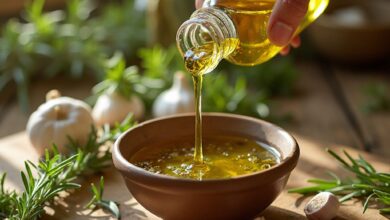
- Infused Oils and Vinegars: Whole sprigs of herbs like oregano, basil, or chili-infused rosemary create stunning artisanal condiments.
- Grilling: Lay whole sprigs directly on coals for aromatic smoke, or use them as a brush to baste meats with herb-infused oil.
Storage Tips for Maximizing Sprig Life
The beauty of whole sprigs extends to their longevity. Generally, whole herbs last longer than chopped ones. To keep your culinary sprigs vibrant:
- Woody Herbs: Wrap them loosely in a damp paper towel, then place in a plastic bag in the crisper drawer of your refrigerator. They can last 1-2 weeks.
- Tender Herbs: Treat them like a bouquet of flowers. Trim the stems, place them in a glass with an inch of water, and cover loosely with a plastic bag. Refrigerate. Change the water every day or two. This method can keep parsley and cilantro fresh for over a week.
For longer storage, consider drying your own herbs! Hanging bundles of rosemary or thyme to air dry is a wonderful, traditional way to preserve their essence. Once fully dry, store them whole in airtight jars away from direct sunlight. Brands like Mountain Rose Herbs and Frontier Co-op offer high-quality dried whole herbs and spices for those times you can’t source fresh.
Expert Insider Tips for Mastering Whole Herb Infusion
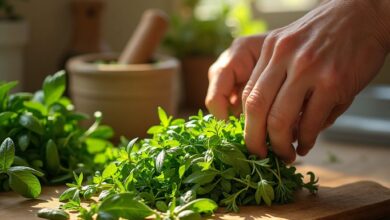
- The “Bruise and Infuse” Method: For woody herbs like rosemary and thyme, gently bruise the sprigs before adding them to your dish. A light roll between your palms or a gentle smash with the back of a knife will break just enough cell walls to kickstart the flavor release without over-exposing the volatile oils. This is especially effective for shorter cooking times.
- The Herb-Wand Baste: When roasting meats or vegetables, tie a few sprigs of rosemary or thyme together with kitchen twine. Dip this “wand” into your basting liquid (olive oil, butter, pan drippings) and brush it over your food. Not only does it distribute the liquid, but it also imparts a beautiful, fresh herb aroma directly onto the surface.
- Bouquet Garni Mastery: Don’t just toss in loose sprigs. Learn to make a proper bouquet garni. Traditionally, it’s a small bundle of parsley stems, thyme sprigs, and a bay leaf tied together. You can also add peppercorns or leek greens. This makes for easy retrieval and ensures consistent flavor without stray bits. For convenience, you can even use a small piece of cheesecloth to create a sachet.
- Layering for Depth: For truly complex flavor, use whole sprigs for the initial long infusion, then finish the dish with a sprinkle of finely chopped fresh herbs just before serving. This gives you both the deep, cooked-in flavor and the bright, fresh pop of raw herb.
- Beyond Savory: Don’t limit whole sprigs to savory dishes. A few whole mint sprigs in a pitcher of iced tea or lemonade, or a whole vanilla bean in a custard, demonstrate the same principle of slow, deep infusion for delightful results. Try infusing simple syrup with whole lavender sprigs for cocktails or desserts!
Health and Wellness Benefits: Beyond the Plate
The beauty of herbs extends far beyond their incredible flavor. When we embrace whole, natural ingredients, we’re also inviting a wealth of health and wellness benefits into our lives. Herbs are packed with antioxidants, anti-inflammatory compounds, and essential vitamins and minerals. For instance, rosemary is celebrated not just for its piney aroma but also for its potential cognitive benefits and digestive support. Thyme is a traditional remedy for respiratory ailments, while bay leaves have been studied for their potential to help regulate blood sugar. By maximizing the flavor of these herbs through proper cooking techniques like whole-sprig infusion, we naturally encourage ourselves to consume more of them, thereby boosting our intake of these beneficial compounds. It’s a delicious cycle of wellness! Even adding a few sprigs of fresh mint to your water can turn a simple hydration habit into a refreshing, health-boosting ritual.
Common Mistakes to Avoid When Cooking with Whole Herb Sprigs
- Forgetting to Remove Them: This is perhaps the most common oversight! While they do their job beautifully, woody sprigs should almost always be removed before serving. No one wants to chew on a tough rosemary stem.
- Using the Wrong Herb for the Cooking Time: Don’t put delicate whole basil sprigs into a stew that’s simmering for hours. The heat will turn them bitter and muddy. Save tender herbs for quick infusions or garnishes.
- Not Activating Woody Herbs: Simply tossing a whole, un-bruised rosemary sprig into a dish might not yield optimal flavor release, especially if cooking time is shorter. Give them a gentle squeeze or twist to get those oils flowing.
- Overcrowding: While more is sometimes better, too many strong herb sprigs can overpower a dish. Start with a conservative amount and adjust to taste, especially with potent herbs like sage or rosemary.
Safety and Precautions: A Word of Wisdom
While culinary herbs are generally safe and beneficial, a few considerations are always wise. Always ensure your herbs are clean and free from pesticides if you’re sourcing them from your garden or a non-organic vendor. If you’re growing your own, using trusted seeds like those from Burpee Seeds and nourishing your plants with quality products like Miracle-Gro potting mix ensures a healthy start. For dried herbs, choose reputable brands like Simply Organic or Mountain Rose Herbs