How to Grow Basil Successfully Without Killing It After Two Weeks

The Secret Life of Basil: Unlocking Its Lush Potential in Your Garden
Close your eyes for a moment and imagine: the sun-drenched warmth of a summer afternoon, the rich scent of ripe tomatoes mingling with something vibrant, peppery, and sweet. You pluck a glossy, emerald leaf, rub it between your fingers, and inhale deeply. That intoxicating aroma? That’s basil, my friends, and it’s more than just a garnish. It’s the very soul of summer, a whisper of the Mediterranean, and a promise of culinary delight.
But here’s a surprising truth that many home gardeners discover the hard way: basil, despite its seemingly ubiquitous presence in kitchens, is a notoriously finicky plant if you don’t understand its needs. How many times have you brought home a promising little basil plant from the nursery, full of hope, only to watch it shrivel, yellow, and die within two short weeks? You’re not alone! It’s a common tale, but I’m here to tell you, as a seasoned herbalist and gardener, that growing a thriving, bushy basil plant is entirely within your reach. Let’s unlock the secrets to successful basil cultivation together, transforming you from a basil-killer to a basil whisperer.
From Sacred Herb to Culinary Icon: Basil’s Storied Journey
Basil, or Ocimum basilicum, boasts a history as rich and aromatic as its leaves. Originating in India, where it has been cultivated for over 5,000 years, basil was considered a sacred herb, revered in Ayurvedic medicine and often associated with the Hindu deity Vishnu. The name itself, “basil,” is believed to derive from the Greek “basileus,” meaning “king,” underscoring its regal status in ancient cultures.
From India, basil traveled along ancient trade routes to Persia and then to the Mediterranean, where it found a particularly welcoming home in Italian cuisine. It was here that basil truly blossomed into the culinary superstar we know today, becoming an indispensable ingredient in pesto, Caprese salads, and countless pasta dishes. Its journey has touched every corner of the globe, embedding itself in cultures from Thailand (where Thai basil adds a distinct anise-like flavor to curries) to Vietnam, and of course, across Europe and the Americas. Today, basil isn’t just a plant; it’s a global ambassador of flavor, a symbol of fresh eating, and a testament to the enduring power of nature’s bounty.
Cultivating Your Basil Kingdom: A Gardener’s Guide
Growing basil successfully means understanding its preferences and providing the right environment. Think of it as creating a little slice of the Mediterranean right in your backyard or on your windowsill.
The Perfect Soil: A Foundation for Flavor
Basil thrives in well-draining, rich, and fertile soil. It prefers a slightly acidic to neutral pH, ideally between 6.0 and 7.0. If you’re planting in the ground, amend your garden beds with plenty of organic matter like compost to improve drainage and nutrient content. For container growing, a high-quality potting mix is crucial. I often recommend a premium mix like Miracle-Gro Potting Mix, which provides excellent drainage and essential nutrients for strong root development. Avoid heavy, compacted soils that retain too much water, as this can lead to root rot – a common basil killer.
Sunlight’s Embrace: Basil’s Essential Energy Source
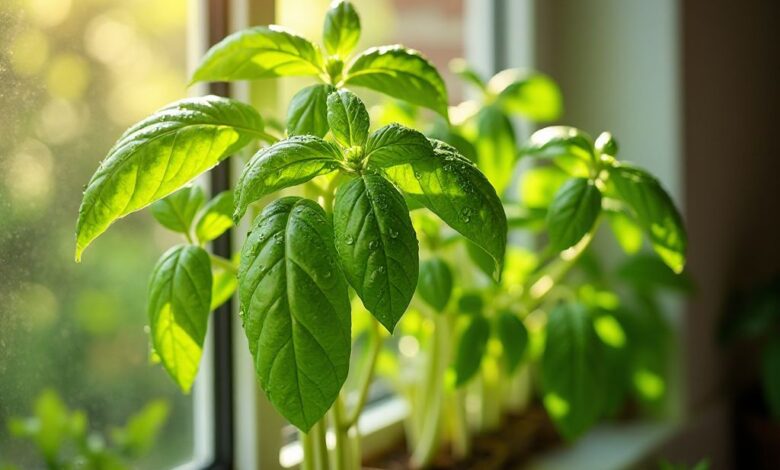
Basil is a sun-worshipper. It absolutely craves sunlight, needing a minimum of 6 to 8 hours of direct sun exposure per day to truly flourish. In hotter climates, a little afternoon shade can prevent scorching, but generally, the more sun, the better. If you’re growing indoors, place your basil plant in your brightest south-facing window or under a grow light. Insufficient light will result in leggy, weak plants with sparse, less flavorful leaves.
The Art of Watering: Finding the Sweet Spot
This is where many beginners go wrong. Basil likes consistent moisture but absolutely loathes “wet feet.” The goal is to keep the soil consistently moist, but never waterlogged. Stick your finger an inch or two into the soil; if it feels dry, it’s time to water. Water deeply at the base of the plant, allowing the water to drain out of the bottom of the pot (if container growing). Avoid overhead watering, as wet leaves can encourage fungal diseases. In hot weather, you might need to water daily, while in cooler temperatures or indoors, every few days might suffice. Signs of under-watering include wilting leaves, while over-watering leads to yellowing leaves and a general droopy appearance.
Container vs. Ground: Choosing Your Basil Home
- Container Growing: This is an excellent option for basil, especially if you have limited garden space or live in a climate with unpredictable weather. Containers allow you to move your basil indoors when temperatures drop or to provide afternoon shade during intense heatwaves. Choose a pot at least 6-8 inches in diameter for a single plant to allow for adequate root growth. Ensure it has drainage holes! Terra cotta pots are great as they help with aeration and prevent overwatering.
- Ground Growing: If you have a sunny garden spot, planting basil directly in the ground can result in larger, more robust plants. Ensure the soil is well-prepared as mentioned above. Space plants about 10-12 inches apart to allow for good air circulation and growth.
Harvesting for Abundance: The Pinching Power
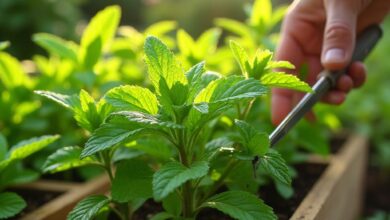
This is perhaps the single most important technique for preventing leggy, short-lived basil and encouraging a lush, bushy plant. As soon as your basil plant has developed 2-3 sets of true leaves, begin pinching! Locate the main stem and find a spot just above a set of leaves or a leaf node. Pinch off the top portion of the stem. This forces the plant to branch out, producing two new stems from the nodes below the cut. Continue this process every week or two. Never remove more than one-third of the plant at a time. Regular harvesting not only encourages bushiness but also delays “bolting” (flowering), which can make the leaves bitter.
Gentle Pest Control: Keeping Critters at Bay
Basil is generally quite resilient, but common garden pests like aphids, whiteflies, and slugs can sometimes be an issue. For aphids and whiteflies, a strong spray of water or an application of organic insecticidal soap (like a diluted solution of unscented Castile soap) can be effective. For slugs, hand-picking them in the evening or setting up beer traps can help. Maintaining good air circulation and avoiding overwatering also naturally deters many pests and diseases.
Propagation: More Basil, Please!
- From Seed: Starting basil from seed is incredibly rewarding. Sow seeds indoors 4-6 weeks before the last frost date, or directly outdoors once all danger of frost has passed and soil temperatures are consistently above 60°F (15°C). Companies like Burpee Seeds offer a fantastic selection of basil varieties, from classic Genovese to spicy Thai basil. Plant seeds about ¼ inch deep and keep the soil consistently moist until germination, which usually occurs within 5-10 days.
- From Cuttings: Basil is wonderfully easy to propagate from cuttings. Simply snip a 4-6 inch stem from a healthy plant, just below a leaf node. Remove the leaves from the bottom 2 inches of the stem and place the cutting in a glass of water. Place it in a bright spot out of direct sun, and change the water every couple of days. Within a week or two, you’ll see roots forming! Once the roots are an inch or two long, you can plant your new basil baby in soil.
Expert Insider Tips for Basil Bliss
Beyond the basics, these are the little secrets experienced gardeners swear by for truly spectacular basil:
- The “Flower Power” Paradox: As tempting as those delicate white flower spikes might look, pinch them off immediately! Allowing basil to flower (or “bolt”) signals to the plant that its life cycle is ending, causing it to put all its energy into seed production rather than leaf growth. This makes the leaves smaller, tougher, and significantly less flavorful.
- Succession Planting is Your Superpower: For a continuous supply of fresh basil throughout the growing season, plant new batches of seeds every 2-3 weeks. This ensures you always have young, tender plants ready for harvest as older ones begin to wane or bolt.
- The Morning Harvest Rule: Harvest your basil leaves in the morning after the dew has dried but before the heat of the day sets in. At this time, the essential oils (which give basil its incredible flavor and aroma) are most concentrated in the leaves.
- Don’t Be Afraid to Go Big: While small leaves are tender, don’t shy away from letting some leaves mature. Larger leaves are perfect for making pesto, providing more surface area for that delicious oil and garlic goodness.
- Winter’s Whisper: Basil is a tender annual, meaning it won’t survive cold temperatures. Before the first frost, harvest all remaining leaves or, if container-grown, bring your plant indoors. With enough light, it might continue producing for a while, though growth will slow.
Basil’s Bounty: Health and Wellness Benefits
Beyond its culinary prowess, basil offers a wealth of health benefits, supported by both traditional use and modern research. It’s a true powerhouse of natural goodness!
- Antioxidant Rich: Basil is packed with powerful antioxidants, including orientin and vicenin, which help protect your cells from damage caused by free radicals, contributing to overall cellular health.
- Anti-inflammatory Properties: Compounds like eugenol, found in basil, have been shown to possess anti-inflammatory effects, potentially helping to reduce inflammation in the body.
- Vitamins and Minerals: Fresh basil is a good source of Vitamin K (essential for blood clotting), Vitamin A (in the form of beta-carotene, important for vision and immune function), and Vitamin C. It also contains trace amounts of iron, calcium, and manganese.
- Antimicrobial Action: Basil essential oil has demonstrated antimicrobial properties, helping to inhibit the growth of various bacteria, yeasts, and molds.
- Stress Reduction: While often associated with Holy Basil (Tulsi), sweet basil also offers a calming aroma that can contribute to a sense of well-being and stress reduction.
Common Mistakes to Avoid for Basil Beginners
Steering clear of these common pitfalls will dramatically increase your basil’s chances of survival and thriving:
- Overwatering or Underwatering: The number one killer! Learn to feel the soil and adjust your watering schedule.
- Not Enough Sun: Basil needs copious amounts of direct sunlight. A shady spot will lead to a sad, scraggly plant.
- Neglecting to Pinch: Letting your basil grow tall and leggy without pinching will result in fewer leaves and early bolting.
- Planting Too Early: Basil is extremely sensitive to cold. Wait until all danger of frost has passed and nighttime temperatures are consistently above 50°F (10°C).
- Small Pots: Cramping a basil plant into a tiny pot restricts root growth and limits its potential. Give it room to grow!
Safety and Precautions: A Gentle Word of Caution
For most people, consuming culinary basil in typical food amounts is perfectly safe. However, as with any herb, a few considerations are worth noting:
- Blood Thinners: Basil is a good source of Vitamin K, which plays a role in blood clotting. Individuals taking blood-thinning medications (anticoagulants) like Warfarin should consume basil in consistent, moderate amounts and discuss any significant dietary changes with their healthcare provider.
- Pregnancy and Breastfeeding: While culinary basil is generally considered safe, consuming very large, medicinal quantities (e.g., highly concentrated essential oils) is not recommended during pregnancy or breastfeeding due to a lack of sufficient research on its effects. Stick to culinary amounts.
- Allergies: Though rare, some individuals may have an allergic reaction to basil.
Always consult with a healthcare professional if you have specific health conditions or are taking medications and have concerns about incorporating new herbs into your diet.
Embrace Your Inner Basil Gardener!
There you have it, fellow herb enthusiasts! The comprehensive guide to growing basil successfully, transforming you from a hesitant novice into a confident cultivator. Imagine reaching into your garden or windowsill,