
Introduction
Metabolism is a term many people hear often, especially in discussions about energy, food, and daily routines. Because of this interest, certain herbs are frequently mentioned in research, traditional diets, and academic studies related to metabolism. These herbs are not new discoveries. Many have been part of cooking, beverages, and traditional practices for generations.
For beginners, it is important to understand this topic clearly and realistically. This article explains common herbs studied for metabolism support in an educational, neutral, and AdSense-friendly way. It focuses on traditional use and general research interest, not medical advice or guaranteed outcomes.
What This Topic Means (Simple Explanation)
Herbs studied for metabolism support are plants that researchers have examined because of how they are traditionally used in food, drinks, or daily routines connected to energy balance and digestion.
In simple terms:
- These herbs appear in scientific or academic studies
- They are commonly used as foods, teas, or spices
- They are not medicines or treatments
- Research looks at patterns, not promises
This topic is about understanding interest and study, not making health claims.
Why This Is Important
Understanding herbs studied for metabolism support matters for several reasons.
First, it helps separate facts from hype. Many online claims exaggerate what herbs can do.
Second, it encourages realistic expectations. Research interest does not mean guaranteed results.
Third, it helps beginners make informed food choices. Many studied herbs are already part of everyday cooking.
Fourth, it supports safe, balanced habits. These herbs are usually used in normal culinary amounts.
Finally, it helps readers understand how traditional food use often inspires modern research.
Common Types or Examples
Below are common herbs and plant-based ingredients that are frequently studied or discussed in relation to metabolism, mainly because of their traditional use and widespread consumption.
Green Tea
Green tea is one of the most researched plant-based beverages.
Common uses:
- Brewed tea
- Daily beverage
- Traditional tea rituals
Why it is studied:
- Long history of regular consumption
- Widely consumed worldwide
- Often examined in nutrition research
Green tea is commonly consumed without sugar in traditional settings.
Ginger
Ginger is widely used in cooking and drinks.
Common uses:
- Cooking with vegetables and grains
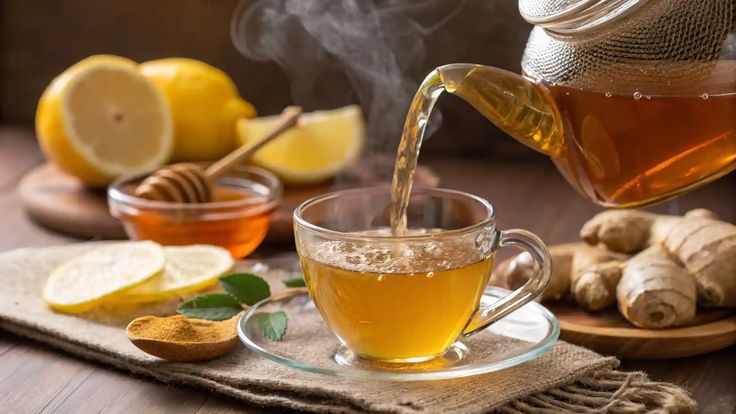
- Herbal teas
- Warm beverages
Why it is studied:
- Long-standing culinary use
- Common in digestion-focused meals
- Frequently included in food studies
Ginger is typically used fresh or dried in small amounts.
Turmeric
Turmeric is a bright yellow spice used in many cuisines.
Common uses:
- Cooking with rice and vegetables
- Soups and stews
- Warm drinks
Why it is studied:
- Widespread traditional use
- Regular inclusion in daily meals
- Common subject in food-based research
Turmeric is usually combined with other ingredients in cooking.
Cinnamon
Cinnamon is a spice used mainly for flavor.
Common uses:
- Herbal teas
- Flavoring drinks
- Cooking and baking
Why it is studied:
- Naturally sweet aroma
- Often used to reduce added sugar
- Common in dietary research
Cinnamon is typically used in very small amounts.
Cayenne Pepper (Chili Pepper)
Cayenne pepper comes from dried chili peppers.
Common uses:
- Cooking spice
- Seasoning for savory dishes
Why it is studied:
- Heat-producing properties
- Used in small culinary quantities
- Frequently examined in food studies
It is usually added sparingly due to its strong heat.
Black Pepper
Black pepper is one of the most widely used spices.
Common uses:
- Everyday seasoning
- Cooking spice
Why it is studied:
- Global culinary use
- Often paired with other spices
- Studied as part of spice-based diets
Black pepper is a staple in many cuisines.
Ginseng (Traditional Use)
Ginseng has a long cultural history.
Common uses:
- Herbal teas
- Traditional food preparations
Why it is studied:
- Long history of traditional use
- Often examined in cultural and dietary studies
It is usually consumed in small, measured amounts.
Fenugreek
Fenugreek seeds and leaves are used in cooking.
Common uses:
- Cooking with grains and vegetables
- Traditional recipes
Why it is studied:
- Common in traditional diets
- Strong flavor affects portion size
- Studied in food pattern research
Fenugreek is often soaked or cooked before use.
Coffee (Plant-Based Beverage)
Coffee is frequently included in metabolism-related studies.
Common uses:
- Brewed beverage
Why it is studied:
- Widespread global consumption
- Contains naturally occurring compounds
- Often included in dietary research
Coffee consumption varies widely by culture.
How to Use or Apply This in Daily Life
Herbs studied for metabolism support are best approached as part of normal eating habits.
Step 1: Use Herbs as Food, Not Supplements
These herbs are traditionally used in meals and drinks.
Examples:
- Ginger in soups
- Cinnamon in warm drinks
- Turmeric in rice dishes
This keeps use safe and realistic.
Step 2: Keep Portions Moderate
Most traditional use involves small amounts.
- Start light
- Taste as you go
- Avoid concentrated use
Moderation is key.
Step 3: Focus on Routine, Not Results
Research studies observe patterns over time.
- Use herbs consistently
- Pair with balanced meals
- Avoid expecting quick changes
Step 4: Combine With Healthy Habits
Traditional use works alongside:
- Regular meals
- Physical activity
- Adequate rest
- Hydration
Herbs complement habits, not replace them.
Step 5: Stay Informed but Skeptical
Not all studies mean the same thing.
- Read headlines carefully
- Avoid exaggerated claims
- Focus on whole-diet patterns
Tips for Beginners
These tips help beginners approach this topic safely.
- Choose herbs you already use
- Keep preparation simple
- Avoid extreme approaches
- Use herbs for flavor first
- Rotate herbs naturally
- Store herbs properly
- Think long-term
Common Mistakes to Avoid
Avoid these misunderstandings.
Treating Herbs as Metabolism Boosters
Herbs are not metabolic shortcuts.
Using Large or Concentrated Amounts
More does not mean better.
Ignoring Overall Diet
Herbs work within a balanced lifestyle.
Believing Online Promises
Many claims are not supported by context.
Skipping Meals or Over-Restricting
Herbs are part of meals, not replacements.
Safety and Usage Notes
Herbs discussed here are for normal food and beverage use only.
- Do not treat herbs as medicine
- Avoid concentrated or extreme use
- Use herbs you can clearly identify
- Store herbs safely
- This article is educational, not medical advice
If you have health concerns, consult a qualified professional.
Frequently Asked Questions (FAQs)
Does research prove these herbs boost metabolism?
Research studies explore patterns and associations, not guarantees.
Can I use these herbs every day?
Many are already part of daily diets worldwide.
Are supplements better than food use?
Traditional use focuses on food, not supplements.
Do these herbs work the same for everyone?
No. Individual responses vary.
Should I combine many metabolism-related herbs?
Simple, balanced use is better for beginners.
Are these herbs safe long-term?
When used in normal culinary amounts, many are widely consumed.
Conclusion
Common herbs studied for metabolism support are best understood as part of traditional diets and everyday food habits, not quick solutions or treatments. Herbs like green tea, ginger, turmeric, cinnamon, and black pepper appear in research because they are widely consumed and culturally significant.
For beginners, the healthiest approach is simple and realistic. Use these herbs for flavor, enjoy them as part of meals or drinks, and focus on consistent, balanced habits. When viewed this way, herbs support a mindful lifestyle—without unrealistic expectations or exaggerated claims.