
Why Every Child Should Help Grow a Small Herb Garden at Home
Imagine your child, usually a whirlwind of energy and perhaps a bit particular about their greens, stopping in their tracks. Their small fingers gently brush against the velvety leaves of a sage plant, then they lean in, taking a deep, inquisitive breath. A moment later, a triumphant grin spreads across their face as they declare, “Mama, this smells like Thanksgiving!” This isn’t just a sweet anecdote; it’s a powerful transformation, a seed of curiosity planted, nurtured by the simple act of growing herbs at home.
As an herbalist, culinary writer, and wellness blogger, I’ve spent a decade exploring the profound connection between humans and plants. And of all the revelations I’ve had, one stands out: involving children in the magic of a herb garden is one of the most enriching experiences you can give them. It’s not just about growing food; it’s about growing wonder, responsibility, and a lifelong appreciation for the natural world.
A Timeless Connection: Children, Gardens, and the Roots of Wellness
For millennia, humans have lived in intimate connection with the earth, cultivating plants not just for sustenance but for medicine, comfort, and community. Our ancestors, from the earliest hunter-gatherers to the homesteaders of recent history, understood that food didn’t magically appear on a grocery shelf. Children were often integral to this process, learning from a young age how to tend a garden, identify edible plants, and prepare nature’s bounty. Think of the “victory gardens” of the World Wars, where families, children included, rallied to grow their own food, fostering resilience and self-sufficiency.
In our modern, fast-paced world, this fundamental connection has often been severed. Many children grow up with little understanding of where their food comes from, let alone the joy of nurturing a plant from seed to harvest. Bringing a small herb garden into your home isn’t just a hobby; it’s a return to our roots, a reclamation of a vital piece of human experience that grounds us, teaches us patience, and reminds us of the profound cycle of life. It’s about igniting that innate curiosity and fostering a sense of stewardship for the earth, one tiny pot of basil at a time.
Cultivating Curiosity: Getting Started with Your Child’s Herb Garden
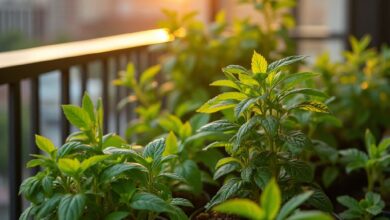
Starting a herb garden with children doesn’t require a sprawling backyard or a green thumb of legendary proportions. A sunny windowsill, a small balcony, or even a corner of your kitchen counter can become a vibrant green classroom. The key is to choose resilient, rewarding herbs that offer quick successes and engaging sensory experiences.
The Perfect Potting Mix: Building a Cozy Home for Roots
Just like we need a comfy bed, plants need good soil to thrive. For a child’s herb garden, a high-quality potting mix is essential. Look for a blend that’s light, airy, and drains well. Brands like Miracle-Gro Potting Mix offer excellent options that provide the right balance of nutrients and aeration. Explain to your child that the soil is like the plant’s food pantry, full of good things to help it grow big and strong.
- Simple Soil Lesson: Let your child feel the soil, explaining that it holds water and nutrients. Emphasize not to pack it too tightly, as roots need space to breathe.
Sunlight Seekers: Where to Place Your Green Friends
Most culinary herbs are sun worshippers, needing at least 6 hours of direct sunlight a day. This is a fantastic lesson in observation for children! Together, scout out the sunniest spots in your home or yard. South-facing windows are often ideal indoors. If you’re growing outdoors, choose a location that gets morning sun and perhaps some afternoon shade in very hot climates.
- The Sun’s Journey: Encourage your child to observe how the sun moves across the sky throughout the day. “Our basil needs lots of sunshine to make its leaves taste extra yummy!”
The Watering Rhythm: Not Too Much, Not Too Little
Watering is often the trickiest part for beginners, and children are no exception. The golden rule: check the soil with your finger. If the top inch or two feels dry, it’s time to water. Teach your child to water slowly until water drains from the bottom of the pot. This ensures the roots get a good drink without drowning. Overwatering is a common mistake that can lead to root rot.
- The Finger Test: Make it a daily ritual. “Is our rosemary thirsty today, or is it still happy?”
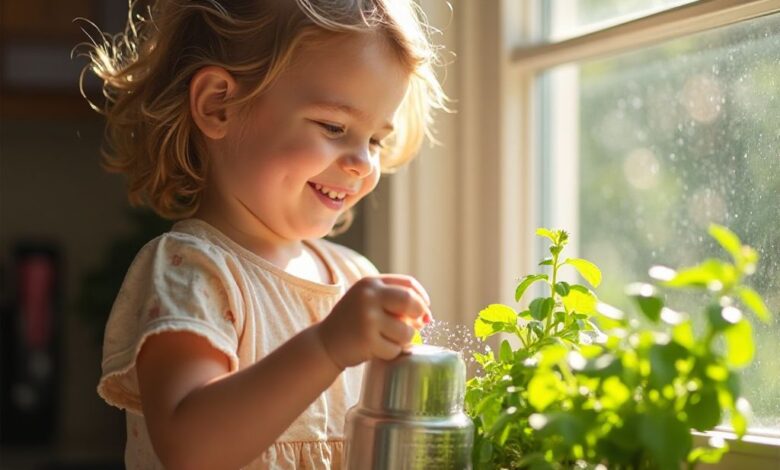
- Watering Can Fun: Invest in a small, child-friendly watering can to make this task enjoyable and empowering.
Container vs. Ground: Choosing the Right Home
For children, containers are often the easiest and most rewarding way to start. They offer mobility, allowing you to chase the sun or bring plants indoors during harsh weather. Plus, a collection of colorful pots on a windowsill or patio feels manageable and exciting. You can use anything from terracotta pots to recycled yogurt containers (just remember to add drainage holes!).
- Herb Heroes for Containers: Basil, mint, chives, parsley, thyme, and oregano are fantastic choices that thrive in pots.
- The “Move Me” Game: If using lightweight pots, let your child help move them to sunnier spots.
The Art of the Harvest: Gentle Snips for Growth
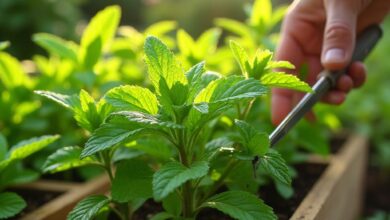
Harvesting is the most exciting part for children – the reward for their patience! Teach them to use clean scissors or their fingers to snip off leaves or sprigs. Explain that harvesting actually encourages the plant to grow bushier and produce more. For herbs like basil or mint, pinching off the top sets of leaves above a node will encourage two new stems to grow.
- Treasure Hunt: Turn harvesting into a “treasure hunt” for the freshest, most fragrant leaves for dinner.
- First Taste: Encourage them to taste a tiny bit of what they’ve harvested (after washing, of course!).
Friendly Pest Patrol: Natural Defenders
Pests can be disheartening, but they offer an opportunity to teach children about ecosystems. Start with prevention: healthy plants are more resistant. If you spot unwelcome visitors like aphids, teach your child to gently wipe them off with a damp cloth or spray them with a mild solution of water and a tiny bit of dish soap. You can even introduce beneficial insects if you’re feeling adventurous!
- “Bug Watch”: Make it a game to spot any “uninvited guests” and gently remove them.
Simple Propagation: Multiplying the Magic
Propagating herbs is a fantastic way to show children the cycle of life. Many herbs, like mint and basil, can be easily rooted from cuttings in a glass of water. It’s mesmerizing for a child to watch roots magically appear! You can also start herbs from seed, using reliable options like Burpee Seeds. Planting tiny seeds and watching them sprout is a profound lesson in patience and wonder.
- Root Race: Place several cuttings in different glasses and have a “root race” to see which one develops roots first.
Expert Insider Tips for the Little Gardener
Even seasoned gardeners have their tricks, and I’ve gathered a few that are perfect for sharing with your budding botanist:
- The “Sniff and Taste” Adventure: Before cooking with any herb, encourage your child to gently crush a leaf and smell it. Then, if edible and safe, let them taste a tiny piece. This sensory exploration builds a deeper connection than just seeing a plant. “Does this taste spicy like pepper, or fresh like spring rain?”
- Harvest Little, Harvest Often: Many herbs, especially those like basil, mint, and oregano, thrive on regular harvesting. Teach your child that picking a few leaves here and there actually makes the plant grow bushier and more productive. It’s a win-win!
- “Herb Story Time”: Every herb has a story! Share simple facts about their origins, traditional uses, or even fun folklore. For example, “Did you know ancient Romans used rosemary to help them remember things?” This adds a layer of magic and cultural connection.
- Companion Planting Pals: Introduce the concept of “plant friends.” For instance, marigolds can deter pests from your herbs. Plant a few around your herb pots and explain that they’re like bodyguards for your parsley!
- The Herb Journal: Encourage your child to keep a simple journal. They can draw their plants, record when they watered them, or note observations like new leaves or flowers. It fosters observation skills and a sense of ownership.
Beyond the Garden: Health and Wellness Benefits for Children
The benefits of a child’s herb garden extend far beyond just fresh ingredients. This simple activity cultivates a holistic approach to wellness:
- Nutritional Powerhouse: Fresh herbs are packed with vitamins, minerals, and antioxidants. When children grow their own, they’re more likely to incorporate these nutrient-dense additions into their meals, boosting their overall health.
- Tackling Picky Eaters: This is a game-changer! Children are far more likely to try foods they’ve grown themselves. A sprig of basil they nurtured from a tiny seed, added to their pasta sauce, suddenly becomes an exciting culinary adventure, not a dreaded green.
- Sensory Development: The garden is a feast for the senses. Touching velvety sage, smelling pungent rosemary, seeing vibrant chive blossoms, and tasting fresh mint all stimulate sensory pathways, enhancing cognitive development.
- Patience and Responsibility: Plants don’t grow overnight. Tending a garden teaches children the value of patience, consistent care, and the rewards of responsibility. They learn that effort leads to results.
- Mindfulness and Stress Reduction: Spending time in nature, even a small potted garden, has been shown to reduce stress and promote mindfulness. It offers a calming respite from screens and busy schedules, fostering a sense of peace and connection.
- Cognitive Skills: Gardening involves problem-solving (why isn’t my plant growing?), observation, measurement (how much water?), and understanding basic science concepts like photosynthesis.
- Family Bonding: It’s a wonderful shared activity! Working together in the garden creates lasting memories and strengthens family connections.
Once harvested, these fresh herbs can elevate everyday meals. Imagine making a simple pesto with your child’s homegrown basil, or sprinkling their fresh chives over scrambled eggs. For abundant harvests, consider drying herbs (like oregano or thyme) for later use, perhaps stored in jars from Mountain Rose Herbs or Frontier Co-op, or even making herb-infused oils. You can also explore dried herb blends from Simply Organic to compare and contrast flavors with your fresh harvest.
Common Mistakes to Avoid in Your Child’s Herb Garden
Even with the best intentions, beginners can stumble. Here are a few common pitfalls to steer clear of:
- Overwatering: This is the number one plant killer! Always check the soil before watering. Soggy roots lead to unhappy plants.
- Not Enough Sun: Placing sun-loving herbs in a dim corner will result in leggy, weak plants with less flavor.
- Harvesting Too Much at Once: While regular harvesting is good, don’t strip the plant bare. Leave enough leaves for it to continue photosynthesizing and growing.
- Forgetting to Label: Especially when starting from seed, it’s easy to forget what’s what. Use child-friendly