The Complete Guide to Herbs Used in West African Cooking and Their Flavors

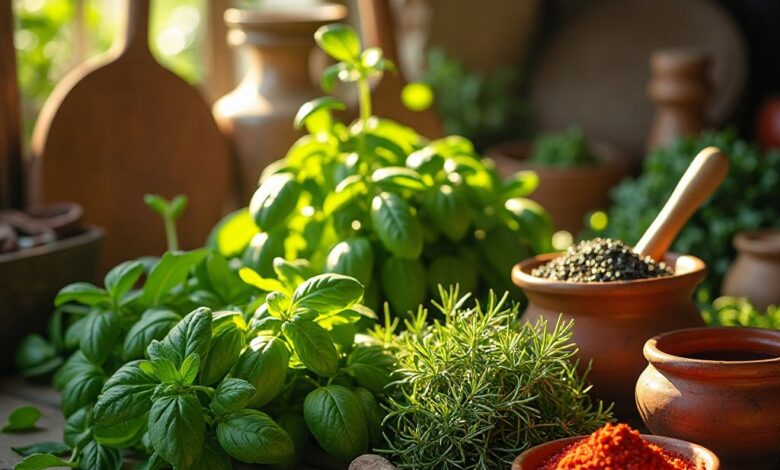
The Soulful Symphony: A Complete Guide to Herbs in West African Cooking and Their Flavors
Close your eyes for a moment and imagine a culinary landscape where every aroma tells a story, every taste sings of tradition, and every ingredient is steeped in history. This isn’t just a dream; it’s the vibrant reality of West African cooking, a cuisine that masterfully weaves together a tapestry of flavors using an array of powerful, often surprising, herbs. Forget what you think you know about basil or thyme; West African herbs introduce a whole new lexicon of taste – from the peppery zing of Uziza to the cleansing bitterness of Bitter Leaf, each one is a secret ingredient waiting to transform your kitchen into a haven of exotic aromas and profound depths of flavor. Prepare to embark on a sensory journey that will not only tantalize your taste buds but also connect you to the heart and soul of a truly remarkable culinary heritage.
The Roots of Flavor: History and Cultural Significance of West African Herbs
West African cuisine is a profound expression of its people, history, and the bountiful lands they inhabit. Long before global trade routes introduced new spices, indigenous herbs were the bedrock of flavor, medicine, and cultural rituals. These herbs are not merely ingredients; they are custodians of tradition, passed down through generations, each with its own story and purpose. From the bustling markets of Lagos to the quiet villages of Ghana, the aroma of these herbs simmering in a pot signifies home, community, and celebration. They are central to daily meals, festive feasts, and even traditional healing practices, embodying the deep connection between food, health, and cultural identity. The rich biodiversity of the region has blessed West Africa with an unparalleled palette of plant life, much of which remains a delightful discovery for the global palate, offering unique flavors and powerful wellness benefits that resonate with people around the world today.
Unveiling the Flavor Keepers: Essential West African Culinary Herbs
Let’s dive into the heart of West African cooking by exploring some of its most iconic and flavor-defining herbs. Each one brings a unique character to dishes, transforming simple ingredients into complex, unforgettable meals.
Scent Leaf (Ocimum gratissimum / African Basil / Efinrin)
Often mistaken for common basil, Scent Leaf is a distinct and potent herb that delivers an invigorating, peppery, slightly minty, and intensely aromatic flavor. It’s like basil got a spicy, earthy upgrade.
- Flavor Profile: Pungent, peppery, camphoraceous, with notes of mint and clove. It’s more robust and spicier than sweet basil.
- Best Food Pairings: Scent Leaf is indispensable in Nigerian Pepper Soup, Banga Soup, and various stews like Egusi Soup and Okra Soup. It pairs wonderfully with goat meat, fish, and rich palm oil-based dishes.
- Cooking Techniques: Typically added fresh towards the end of cooking to preserve its vibrant flavor and aroma. It can be chopped and stirred into soups, stews, and sauces. Some communities also use it to flavor rice dishes.
- Step-by-Step Recipe Idea (Okra Soup with Scent Leaf): Sauté onions, peppers, and protein of choice (fish, beef, or goat). Add blended okra, stock, and seasonings. Simmer until cooked, then stir in a generous handful of finely chopped fresh Scent Leaf just before serving. The Scent Leaf brightens the soup with its unique peppery aroma.
- Storage Tips: Store fresh Scent Leaf wrapped in a damp paper towel in a plastic bag in the refrigerator for up to 5 days. For longer storage, blanch and freeze the leaves, or dry them thoroughly and store in an airtight container.
- Substitution Options: There’s no perfect substitute for Scent Leaf’s unique profile. However, in a pinch, a combination of regular basil, a tiny bit of mint, and a dash of black pepper might offer a distant approximation.
Uziza (Piper guineense / West African Black Pepper / False Cubeb)
Uziza is a true gem, offering a flavor profile that is both familiar and exotic. It’s not just a pepper; it’s an experience.
- Flavor Profile: Hot, peppery, slightly smoky, and intensely aromatic with hints of citrus and camphor. It leaves a warm, lingering sensation.
- Best Food Pairings: Uziza is a star in Nigerian Pepper Soup, Nsala (White Soup), and spicy stews. It complements fish, chicken, and red meats beautifully, adding depth and warmth.
- Cooking Techniques: Both the leaves and the dried seeds (often called Uziza seeds or “false cubeb”) are used. The fresh leaves are chopped and added to soups and stews, while the dried seeds are typically ground into a powder and used as a spice, often toasted lightly before grinding to enhance their aroma.
- Step-by-Step Recipe Idea (Uziza Pepper Soup): Boil protein (goat meat, fish, or chicken) with onions, ginger, and garlic. Add pepper soup spice blend (which often includes ground Uziza seeds), a touch of ground Uziza leaves, and simmer until tender. The Uziza provides the signature warmth and aromatic depth.
- Storage Tips: Fresh Uziza leaves can be stored like Scent Leaf. Dried Uziza seeds should be kept in an airtight container in a cool, dark place to retain their potency. You can find high-quality dried Uziza seeds from reputable suppliers like Mountain Rose Herbs or Frontier Co-op.
- Substitution Options: Black pepper can offer heat, but it lacks the smoky, citrusy complexity. Cubeb pepper (Piper cubeba) is a closer relative in flavor, but still distinct.
Bitter Leaf (Vernonia amygdalina)
Don’t let the name deter you! Bitter Leaf is a powerhouse of flavor and nutrition, and its proper preparation transforms its initial bitterness into a delightful, earthy undertone.
- Flavor Profile: Distinctly bitter, earthy, slightly astringent, with a clean finish when properly prepared.
- Best Food Pairings: Essential for the iconic Bitter Leaf Soup (Ofe Onugbu), Egusi Soup, and other rich, often palm oil-based stews. It balances the richness of these dishes beautifully.
- Cooking Techniques: The key to using Bitter Leaf is thorough washing or “squeezing” to reduce its intense bitterness. This is traditionally done by rubbing the leaves vigorously with salt and rinsing repeatedly until the water runs clear and the bitterness is palatable. Once prepared, it’s added to soups and stews and allowed to simmer.
- Step-by-Step Recipe Idea (Egusi Soup with Bitter Leaf): Cook protein in stock. Add blended melon seeds (egusi) and allow to form curds. Stir in palm oil, pepper, and other seasonings. Finally, add thoroughly washed and squeezed Bitter Leaf, simmering briefly until wilted. The bitterness provides a crucial counterpoint to the richness of the egusi.
- Storage Tips: Fresh Bitter Leaf can be stored in the refrigerator for a few days. Pre-washed and squeezed Bitter Leaf can be frozen in portions for convenience. Dried Bitter Leaf, available from specialty stores, should be rehydrated before use.
- Substitution Options: There is truly no direct substitute for Bitter Leaf. Its unique bitterness is central to the dishes it features in.
Afang Leaf (Gnetum africanum / Okazi / Eru)
Afang Leaf is celebrated for its slightly chewy texture and earthy flavor, making it a cornerstone of certain regional dishes.
- Flavor Profile: Mildly bitter, earthy, slightly woodsy, with a distinctive chewy texture.
- Best Food Pairings: The star of Afang Soup, a popular dish in Southeastern Nigeria and Cameroon (where it’s known as Eru). It also pairs well with waterleaf, periwinkles, and various meats and fish.
- Cooking Techniques: Afang leaves are usually shredded or thinly sliced before cooking. They are added to soups and stews and cooked until tender, contributing both flavor and a unique mouthfeel.
- Step-by-Step Recipe Idea (Afang Soup): Cook assorted meats and fish in stock. Add palm oil, blended peppers, and seasonings. Stir in shredded Afang leaves and waterleaf, simmering until the leaves are tender and the soup has thickened.
- Storage Tips: Fresh Afang leaves can be stored in the refrigerator for a few days. They can also be shredded and frozen for later use.
- Substitution Options: Spinach or kale can offer a similar leafy green texture, but they won’t replicate the unique earthy flavor or slight bitterness of Afang.
Other Notable Flavor Enhancers:
- Utazi (Gongronema latifolium): Another intensely bitter and aromatic leaf, often used in similar ways to Bitter Leaf or in traditional drinks.
- Ataiko / Ehuru (Monodora myristica / Calabash Nutmeg): A spice with a warm, musky, slightly nutmeg-like flavor. Used ground in soups and stews for an earthy depth.
- Alligator Pepper (Aframomum melegueta): Known for its pungent, peppery, and citrusy notes. Often chewed raw or ground into spice blends for pepper soups.
Expert Insider Tips for West African Herb Mastery
- Master the Art of Washing Bitter Leaf: The difference between a good Bitter Leaf soup and a truly great one lies in the preparation of the leaves. Don’t rush it! Squeeze and rinse until the water is almost clear and you can taste a pleasant, mild bitterness, not an overwhelming one.
- Fresh vs. Dried: Know Your Purpose: While fresh Scent Leaf and Uziza leaves are vibrant and best for soups, dried Uziza seeds are crucial for the smoky, peppery depth in pepper soups. Don’t substitute one for the other if you want authentic flavor. For dried herbs and spices, consider quality brands like Simply Organic or Mountain Rose Herbs.
- Bloom Your Spices: For ground spices like Ataiko or Uziza seeds, lightly toasting them in a dry pan for a minute or two before grinding (if not pre-ground) or adding to hot oil (if ground) can dramatically intensify their aromatic compounds and deepen their flavor profile.
- Grow Your Own Scent Leaf: Scent Leaf (Ocimum gratissimum) can be grown from seeds (sometimes available from specialty seed banks or from Burpee Seeds for other basil varieties, but you might need specific sourcing for this one) or cuttings in warm climates or indoors. There’s nothing like the freshness of homegrown herbs. A good organic potting mix and a little