
Introduction
Homemade herb and spice blends are a simple way to make everyday cooking more enjoyable. They help you add flavor quickly without opening many jars or guessing which herbs go well together. For beginners, store-bought blends can feel confusing, and some contain ingredients you may not want or need.
Learning to make your own herb and spice blends gives you control, confidence, and flexibility in the kitchen. This article explains homemade herb and spice blends for beginners in clear, simple language. You will learn what they are, why they matter, and how to use them easily in daily cooking.
What This Topic Means (Simple Explanation)
Homemade herb and spice blends are mixes you prepare yourself using dried herbs and mild spices. Instead of buying a ready-made blend, you combine a few simple ingredients at home.
In simple terms:
- Herbs are dried leaves like basil, thyme, or oregano
- Spices may include items like paprika or garlic powder
- A blend is a mix of two or more herbs or spices
These blends are stored in small containers and used to season food quickly. Making them at home is easy and does not require special tools.
Why This Is Important
Understanding homemade herb and spice blends has many practical benefits for beginners.
First, it makes cooking easier. With one blend, you can season a dish without measuring many ingredients.
Second, it helps you avoid waste. You can use herbs already in your kitchen instead of buying new products.
Third, homemade blends give you control. You decide what goes in, how strong the flavor is, and how much you make.
Fourth, blends help you cook consistently. Using the same mix gives similar results each time.
Finally, making your own blends builds confidence. You learn how flavors work together and feel more comfortable experimenting.
Common Types or Examples
Below are popular homemade herb and spice blends that beginners can make easily. These blends use common herbs and simple ratios.
Basic Italian-Style Herb Blend
This is one of the easiest blends for beginners.
Common ingredients:
- Dried oregano
- Dried basil
- Dried thyme
- Dried rosemary
Flavor profile:
- Herbal
- Warm
- Balanced
Common uses:
- Pasta dishes
- Pizza
- Roasted vegetables
- Chicken
This blend works well in many everyday meals.
Simple All-Purpose Herb Blend
This blend is flexible and easy to use.
Common ingredients:
- Dried parsley
- Dried thyme
- Dried oregano
Flavor profile:
- Mild
- Fresh
- Neutral
Common uses:
- Vegetables
- Rice
- Soups
- Eggs
This is a good starter blend for beginners.
Poultry-Style Herb Blend
This blend pairs well with chicken and similar dishes.
Common ingredients:
- Dried sage
- Dried thyme
- Dried rosemary
Flavor profile:
- Savory
- Comforting
- Warm
Common uses:
- Chicken
- Turkey-style dishes
- Potatoes
Use this blend lightly at first.
Mediterranean-Style Herb Blend
This blend focuses on herbs often used with olive oil.
Common ingredients:
- Dried oregano
- Dried basil
- Dried rosemary
- Dried thyme
Flavor profile:
- Bold
- Herbal
- Earthy
Common uses:
- Grilled foods
- Vegetables
- Fish
- Rice
This blend works well in simple, oil-based dishes.
Herb and Garlic Blend
This blend adds extra depth with mild spice.
Common ingredients:
- Dried parsley
- Garlic powder
- Dried oregano
Flavor profile:
- Savory
- Mildly bold
Common uses:
- Vegetables
- Chicken
- Bread toppings
This blend is popular for everyday cooking.
How to Use or Apply This in Daily Life
Making and using homemade herb and spice blends is simple when you follow clear steps.
Step 1: Choose Your Herbs
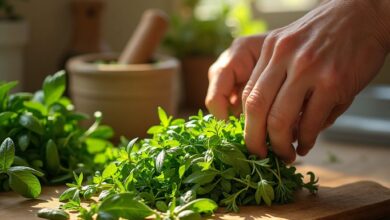
Start with dried herbs you already have. Beginners should begin with three or four herbs at most.
Good starter herbs include:
- Oregano
- Basil
- Thyme
- Rosemary
- Parsley
Step 2: Use Simple Ratios
You do not need exact measurements. A basic approach works well:
- Use equal parts of each herb
- Adjust later based on taste
Mix herbs in a clean bowl.
Step 3: Mix Thoroughly
Stir gently until all herbs are evenly combined. This helps spread flavor evenly when cooking.
Step 4: Store Properly
Place blends in airtight containers. Label them with the blend name and date.
Step 5: Use in Everyday Cooking
Use blends as you would use a store-bought seasoning.
Examples:
- Sprinkle on vegetables before roasting
- Mix with oil for marinades
- Add to soups or sauces during cooking
Start with small amounts and taste as you go.
Tips for Beginners
These simple tips help beginners succeed with homemade blends.
- Start with small batches.
- Use dried herbs for longer storage.
- Keep blends simple at first.
- Crush herbs lightly before mixing to release aroma.
- Store blends away from heat and light.
- Use clean, dry spoons.
- Replace blends when aroma fades.
Common Mistakes to Avoid
Avoiding these mistakes helps keep blends flavorful and useful.
Using Too Many Ingredients
Too many herbs can clash. Stick to a few that work well together.
Mixing Fresh Herbs Into Dry Blends
Fresh herbs contain moisture and reduce shelf life. Use dried herbs only.
Poor Storage
Heat, air, and light reduce flavor. Always seal containers tightly.
Making Large Batches Too Soon
Large batches may lose flavor before being used. Start small.
Forgetting to Label
Unlabeled blends cause confusion later.
Safety and Usage Notes
Homemade herb and spice blends are meant for normal cooking use.
- Use herbs you can clearly identify.
- Keep containers clean and dry.
- Avoid moisture exposure.
- Discard blends with unusual smell or appearance.
- Use blends in normal food amounts.
- Store away from direct sunlight and heat.
This information is educational and focused on everyday kitchen use only.
Frequently Asked Questions (FAQs)
Can beginners really make their own herb blends?
Yes. Homemade blends are easy and require no special skills.
Are homemade blends cheaper than store-bought ones?
Often, yes, especially if you already have basic herbs.
How long do homemade herb blends last?
Most keep good flavor for several months when stored properly.
Should I grind herbs or leave them whole?
Crushing lightly works well. Fine grinding is optional.
Can I customize blends to my taste?
Yes. That is one of the main benefits of homemade blends.
Can I use homemade blends for marinades?
Yes. Mixing blends with oil works well for marinades.
Conclusion
Homemade herb and spice blends are a practical and beginner-friendly way to improve everyday cooking. They save time, reduce waste, and help you understand how flavors work together.
For beginners, the best approach is to start simple. Choose a few dried herbs, mix small batches, and store them properly. With practice, making and using your own herb and spice blends will feel natural and rewarding, adding confidence and flavor to your cooking routine.