How to Brew the Perfect Lemongrass Tea That Relieves Bloating Fast

Unlock the Secret to a Flat Tummy: How to Brew the Perfect Lemongrass Tea That Relieves Bloating Fast
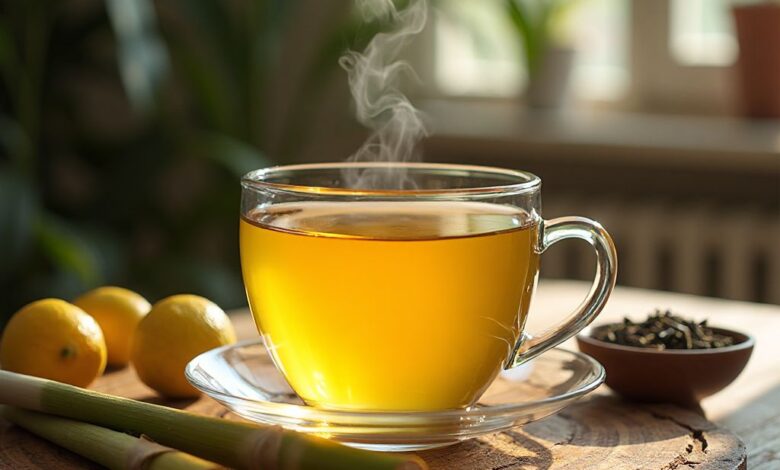
Imagine a warm, golden elixir, fragrant with the crisp scent of lemon and a whisper of ginger, swirling gently in your cup. Just one sip, and you feel a wave of calm wash over you, easing that uncomfortable tightness in your belly. This isn’t just a dream, my friends; it’s the profound, yet simple, magic of lemongrass tea, a brew I’ve personally relied on for years to banish bloating and bring a sense of digestive harmony. What if I told you that the very same herb often found lending its bright notes to your favorite Thai curry holds the key to a surprisingly quick and effective remedy for digestive discomfort? It’s true, and today, I’m going to share exactly how to harness its power.
Lemongrass: A Global Healer with Ancient Roots
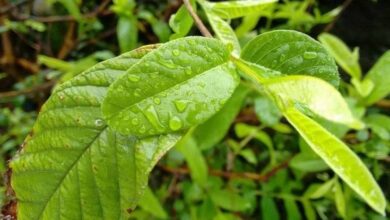
Before we dive into the brewing magic, let’s journey back in time and across continents to truly appreciate the humble lemongrass. Native to tropical and subtropical regions of Asia, Africa, and Australia, this graceful, grass-like plant, scientifically known as Cymbopogon citratus, has been a cornerstone of traditional medicine and culinary arts for millennia. Its name, “lemongrass,” perfectly describes its distinct lemony aroma and flavor, which comes from the compound citral, also found in lemon peel.
In Ayurvedic medicine, practiced in India for over 5,000 years, lemongrass is revered for its warming properties and its ability to balance the ‘Vata’ and ‘Kapha’ doshas, often associated with digestive issues and sluggishness. Similarly, in Traditional Chinese Medicine (TCM), it’s used to alleviate stomach pain, headaches, and rheumatic pain, often brewed as a warming tea. Its cultural significance extends deeply into Southeast Asian cuisines, where it’s indispensable in dishes like Thai Tom Yum soup, Vietnamese pho, and Indonesian rendang, not just for its flavor but also for its digestive benefits.
Today, lemongrass continues to captivate palates and empower wellness seekers worldwide. From bustling street food stalls in Bangkok to serene spa retreats in Bali, and now increasingly in health-conscious kitchens across Europe and North America, its fragrant presence is a testament to its enduring appeal and efficacy. It’s a global unifier, bringing comfort and flavor to millions, and its journey from ancient healer to modern wellness staple is truly inspiring.
Brewing Your Golden Elixir: The Perfect Bloat-Busting Lemongrass Tea
Crafting the perfect cup of lemongrass tea for bloating relief is an art, but a wonderfully accessible one. It’s all about coaxing out those potent, aromatic compounds that soothe your digestive system. Here’s your step-by-step guide to a truly exceptional brew:
Gather Your Ingredients:
- Fresh Lemongrass: 2-3 stalks (about 6-8 inches each). Fresh is always best for maximum potency and vibrant flavor. You can often find fresh lemongrass in the produce section of Asian markets or well-stocked grocery stores.
- Filtered Water: 2 cups. Quality water makes a noticeable difference in the taste of your tea.
- Optional Enhancements:
- 1-inch piece of fresh ginger, thinly sliced or grated (a powerful anti-bloating ally!)
- A few fresh mint leaves
- A squeeze of fresh lime juice (after brewing)
- 1-2 teaspoons of raw honey or maple syrup (to taste, after brewing)
Step-by-Step Brewing Instructions:
- Prepare the Lemongrass: Start by washing your lemongrass stalks thoroughly. Trim off the very bottom root end and the tough, dry top few inches. Remove any dry or discolored outer layers. Now, for the most crucial step: bruising the stalks. Place the stalks on a cutting board and use the flat side of a heavy knife or a rolling pin to firmly press and smash them. You’ll hear a slight crackle and immediately smell that glorious lemony aroma. This action breaks down the cell walls, releasing the essential oils and flavor compounds. You can then cut the bruised stalks into 1-2 inch pieces.
- Boil the Water: In a small saucepan, bring 2 cups of filtered water to a rolling boil.
- Add Lemongrass (and Ginger): Once the water is boiling, add your bruised lemongrass pieces (and sliced ginger, if using) to the saucepan.
- Simmer and Steep: Reduce the heat to low, cover the saucepan, and let it gently simmer for 5-10 minutes. For a stronger, more medicinal brew, you can steep for up to 15 minutes. The longer it steeps, the more potent the flavor and beneficial compounds will become. Watch the water transform into a beautiful golden hue.
- Strain and Serve: Remove the saucepan from the heat. Carefully strain the tea through a fine-mesh sieve into your favorite mug, discarding the spent lemongrass and ginger.
- Customize and Enjoy: This is where you make it truly yours! Add a squeeze of fresh lime juice for an extra zing, a few fresh mint leaves for cooling refreshment, or a touch of raw honey or maple syrup if you prefer a sweeter brew. Sip slowly, inhale the fragrant steam, and let the soothing warmth work its magic.
Hot and Cold Variations:
- Hot Brew: Follow the steps above for an immediate, comforting remedy.
- Iced Tea: Brew a stronger batch (using 3-4 stalks of lemongrass and steeping for 15-20 minutes). Let it cool completely to room temperature, then pour over ice. Garnish with a fresh lime wedge and a sprig of mint for a refreshing summer bloat-buster. This is fantastic to keep on hand in the fridge for up to 3 days!
Expert Insider Tips for the Discerning Herbalist
Having brewed countless cups of lemongrass tea over the years, I’ve picked up a few tricks that elevate the experience from good to absolutely sublime:
- The Bruising is Non-Negotiable: I cannot stress this enough. Simply slicing lemongrass will give you a milder tea. Bruising, by crushing the stalks, truly unlocks the full spectrum of flavor and therapeutic compounds. Think of it as waking the herb up!
- Source with Care: For the freshest, most potent lemongrass, look for stalks that are firm, pale green at the bottom, and gradually darken towards the top, with no yellowing or wilting. If fresh isn’t available, high-quality dried lemongrass is a good alternative. I often recommend sourcing dried herbs from reputable suppliers like Mountain Rose Herbs or Frontier Co-op for their commitment to organic and ethically sourced botanicals.
- Don’t Discard the Tops: While the bulbous bottom is most potent, the leafy green tops still contain flavor. You can add them to your brew, especially if you’re making a larger batch, or save them for aromatic broths and stocks.
- Re-Steep for a Second Round: Don’t throw away those bruised stalks after one use! You can often get a lovely, albeit slightly milder, second cup by adding fresh hot water and steeping for a bit longer (15-20 minutes). It’s a great way to maximize your herb’s potential.
- Consider a Mortar and Pestle for Dried: If using dried lemongrass (which often comes in cut and sifted pieces), a quick grind in a mortar and pestle before brewing can help release more of its essential oils, making for a more flavorful and effective tea.
The Science of Soothe: Health and Wellness Benefits of Lemongrass Tea
Beyond its delightful taste, lemongrass tea is a powerhouse of natural compounds that contribute to its impressive health benefits, particularly its ability to combat bloating. Let’s delve into the science:
- Digestive Aid and Carminative Power: The primary reason lemongrass excels at relieving bloating is its carminative properties. Compounds like citral, geraniol, and limonene help relax the smooth muscles of the digestive tract, which can alleviate spasms and reduce gas buildup. It encourages the expulsion of gas, making you feel lighter and more comfortable.
- Diuretic Effect: Lemongrass is a natural diuretic, meaning it helps your body flush out excess water and sodium through increased urine production. This can be particularly beneficial for bloating caused by water retention, often experienced before or during menstruation.
- Anti-Inflammatory Properties: Chronic inflammation in the gut can contribute to digestive discomfort and bloating. Lemongrass contains powerful antioxidants and anti-inflammatory compounds that help reduce inflammation, promoting a healthier digestive environment.
- Antimicrobial Action: Some studies suggest that lemongrass possesses antimicrobial properties, which may help maintain a healthy balance of gut flora, further supporting digestive wellness.
- Calming and Stress Reduction: While not directly related to bloating, the mere act of sipping a warm, fragrant tea can be incredibly calming. Stress can exacerbate digestive issues, so the ritual of tea drinking itself contributes to overall well-being.
While I always advocate for brewing your own, for those busy days, you can find convenient pre-bagged lemongrass blends from brands like Yogi Tea (often in their detox or digestive blends) or Celestial Seasonings. Twinings and Harney & Sons also offer delightful herbal infusions that sometimes feature lemongrass, providing a quick way to enjoy its benefits.
Common Mistakes to Avoid for a Perfect Brew
Even with simple herbal teas, there are a few pitfalls beginners often encounter. Steer clear of these to ensure your lemongrass tea is always top-notch:
- Not Bruising the Stalks: As mentioned, this is the number one mistake. Without bruising, you’ll end up with a very mild, barely-there flavor, and fewer beneficial compounds extracted.
- Not Steeping Long Enough: Lemongrass needs time to release its full potential. A quick dunk won’t cut it for medicinal benefits or robust flavor. Give it at least 5-10 minutes, or longer for a stronger brew.
- Using Stale or Old Lemongrass: Freshness matters! If your fresh lemongrass is yellowing, dry, or soft, it’s past its prime. Dried lemongrass can also lose potency over time, so ensure your supply from sources like Simply Organic or Frontier Co-op is relatively fresh.
- Using Lukewarm Water: Boiling water is essential to properly extract the compounds from the tough lemongrass stalks. Don’t skimp on the heat!
- Over-Sweetening: While a touch of honey is lovely, too much can mask the delicate, bright flavor of the lemongrass itself. Taste first, then add sweetener sparingly.
Safety and Precautions: When to Exercise Caution
While lemongrass tea is generally considered safe for most healthy adults, it’s important to be aware of potential precautions, especially if you have underlying health conditions or are taking medications.
- Pregnancy and Breastfeeding: Due to its emmenagogue properties (which can stimulate menstrual flow), pregnant individuals should generally avoid consuming large quantities of lemongrass tea. Always consult with your healthcare provider before using any herbal remedies during pregnancy or while breastfeeding.
- Medication Interactions: Lemongrass may have mild diuretic and blood-thinning effects. If you are taking diuretic medications, blood thinners (like warfarin), or medications for blood pressure or blood sugar, consult your doctor before regularly consuming lemongrass tea, as it could potentially interact.
- Allergies: While rare, some individuals may be allergic to lemongrass. If you experience any adverse reactions like skin rash, itching, or digestive upset, discontinue use immediately.
- Kidney Disease: Individuals with kidney disease should exercise caution with diuretics