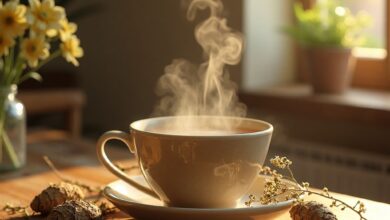
The Complete Guide to Herbal Teas Safe for Pregnant and Nursing Women


Ah, the gentle whisper of steam rising from a warm mug, carrying the earthy-sweet aroma of herbs – there’s perhaps no greater comfort, especially when you’re nurturing new life. For centuries, women around the globe have turned to nature’s bounty to support them through the miraculous journey of pregnancy and the tender phase of nursing. But in a world brimming with information (and misinformation!), knowing which herbal teas are truly safe and beneficial can feel like navigating a labyrinth. Fear not, dear mama-to-be or new mother, for you’ve found your guide!
Did you know that Red Raspberry Leaf, a humble herb, has been revered as “the woman’s herb” for millennia, not just for its delightful taste but for its profound strengthening properties for the uterus? It’s a testament to the quiet power of plants, a power that has sustained generations of mothers long before modern medicine. Join me as we explore the comforting, nourishing world of herbal teas, crafted specifically for this sacred time in your life.
Background and Context: A Timeless Tradition of Nurturing
The practice of using herbal infusions for women’s health is as old as civilization itself. From ancient Egyptian papyri detailing botanical remedies for fertility and childbirth, to traditional Chinese medicine emphasizing specific herbs for each trimester, and indigenous cultures across the Americas relying on plants like raspberry and nettle for prenatal support, the wisdom of herbs has been passed down through generations. These traditions recognize the unique physiological demands of pregnancy and lactation, offering gentle, natural ways to support the body, ease discomforts, and enhance overall well-being.
This isn’t just about a soothing drink; it’s about connecting to an ancient lineage of care, a global sisterhood that understood the profound interplay between nature and the female body. Today, as we seek more holistic approaches to health, these time-honored practices are being re-embraced, offering a gentle yet potent path to wellness for expectant and nursing mothers, blending tradition with modern understanding.
The Heart of the Brew: Safe and Beneficial Herbal Teas
When it comes to selecting teas during pregnancy and nursing, the mantra is always “gentle, nourishing, and supportive.” The following herbs have a long history of safe use and are backed by their rich nutritional profiles and traditional applications.
Red Raspberry Leaf (Rubus idaeus): The Uterine Tonic
Often hailed as the “queen of women’s herbs,” Red Raspberry Leaf is a staple for many pregnant women, particularly in the second and third trimesters. It’s not just a folk remedy; research suggests its rich mineral profile, including iron, calcium, magnesium, and B vitamins, helps tone the uterine muscles, which may lead to a more efficient labor. It also supports milk production after birth.
- Flavor Profile: Mild, earthy, slightly reminiscent of black tea but without the caffeine.
- Brewing Instructions: For a standard cup, steep 1-2 teaspoons of dried Red Raspberry Leaf in 8 ounces of hot (not boiling) water for 5-10 minutes. For a stronger tonic infusion, you can steep 1 ounce of dried herb in a quart of hot water overnight.
- Health Benefits: Uterine toning, rich in vitamins and minerals, aids in postpartum recovery, may support milk supply.
- Flavor Combinations: Delicious on its own, or combined with a squeeze of lemon, a touch of honey, or blended with nettle or oatstraw for an extra nutritional boost.
- Hot and Cold Variations: Enjoy warm as a daily tonic, or brew a large batch and chill for a refreshing iced tea.
- Serving Suggestions: Start with one cup a day in the second trimester, gradually increasing to 2-3 cups in the third trimester. Many women continue to drink it postpartum for recovery and lactation support. You can find high-quality dried Red Raspberry Leaf from reputable sources like Mountain Rose Herbs or Frontier Co-op.
Ginger (Zingiber officinale): The Soothing Root
For centuries, ginger has been the go-to remedy for nausea, and it’s a true lifesaver for many experiencing morning sickness. Its warming, pungent qualities also aid digestion and can help with general digestive discomforts.
- Flavor Profile: Pungent, spicy, warm, with a distinct zesty kick.
- Brewing Instructions: For fresh ginger tea, grate about 1-2 teaspoons of fresh ginger root (or slice thinly) into 8 ounces of hot water. Steep for 5-10 minutes. If using dried ginger, use about ½ teaspoon per cup.
- Health Benefits: Highly effective for reducing nausea and vomiting (morning sickness), aids digestion, anti-inflammatory properties.
- Flavor Combinations: Wonderful with a slice of lemon and a spoonful of honey. Can also be combined with a pinch of turmeric for an anti-inflammatory powerhouse. Yogi Tea offers a delightful organic Ginger tea blend.
- Hot and Cold Variations: Best enjoyed hot for its warming properties, but a chilled ginger tea can also be surprisingly refreshing.
- Serving Suggestions: Sip as needed throughout the day to alleviate nausea.
Chamomile (Matricaria recutita): The Calming Bloom
When you need a moment of tranquility, chamomile is your gentle companion. Known for its mild sedative properties, it’s perfect for unwinding after a long day, easing anxious thoughts, and promoting restful sleep – all precious commodities for expectant and new mothers.
- Flavor Profile: Sweet, apple-like, floral, and subtly herbaceous.
- Brewing Instructions: Steep 1-2 teaspoons of dried chamomile flowers in 8 ounces of hot water for 5-7 minutes. Over-steeping can make it slightly bitter.
- Health Benefits: Promotes relaxation, aids sleep, calms nerves, helps with mild indigestion, and has anti-inflammatory properties.
- Flavor Combinations: Lovely on its own, or with a touch of honey. Blends well with lemon balm or lavender for enhanced calming effects. Celestial Seasonings offers a popular Sleepytime tea with chamomile.
- Hot and Cold Variations: Traditionally enjoyed warm before bedtime, but a chilled chamomile tea can be a soothing afternoon refreshment.
- Serving Suggestions: One cup before bed, or during moments of stress.
Nettle Leaf (Urtica dioica): The Nutrient Powerhouse
Don’t let the “stinging” reputation of fresh nettle deter you! Once dried and brewed, nettle leaf transforms into a remarkably nutritious and safe tea. It’s a true superfood for pregnant and nursing women, packed with iron, calcium, magnesium, and vitamins A, C, and K, all vital for supporting energy levels and healthy blood.
- Flavor Profile: Earthy, green, slightly grassy, similar to spinach.
- Brewing Instructions: Steep 1-2 teaspoons of dried nettle leaf in 8 ounces of hot water for 10-15 minutes. For maximum nutrient extraction, consider a long infusion (1 ounce of dried herb in a quart of hot water, steeped for 4 hours or overnight).
- Health Benefits: Rich in essential minerals (iron, calcium, magnesium), vitamins (A, C, K), supports healthy blood, helps maintain energy levels, and can aid in postpartum recovery.
- Flavor Combinations: Excellent with red raspberry leaf and oatstraw for a comprehensive tonic. A squeeze of lemon can brighten its earthy notes.
- Hot and Cold Variations: Enjoy warm daily, or prepare a strong infusion to drink chilled throughout the day.
- Serving Suggestions: 1-2 cups daily for ongoing nutritional support.
Lemon Balm (Melissa officinalis): The Uplifting Herb
For those moments when you need a gentle lift or to soothe frayed nerves, lemon balm is a delightful choice. It’s known for its ability to calm anxiety, improve mood, and promote restful sleep without causing drowsiness.
- Flavor Profile: Bright, citrusy, herbaceous, with a subtle minty undertone.
- Brewing Instructions: Steep 1-2 teaspoons of dried lemon balm leaves in 8 ounces of hot water for 5-10 minutes.
- Health Benefits: Reduces anxiety, lifts mood, aids sleep, gentle antiviral properties, and soothes digestive upset.
- Flavor Combinations: Pairs beautifully with chamomile or rose petals for a calming, fragrant blend. A slice of lemon enhances its natural citrus notes.
- Hot and Cold Variations: Wonderful hot for relaxation, or as a refreshing cold brew on a warm day.
- Serving Suggestions: Sip as needed for stress relief or mood enhancement.
Expert Insider Tips
- Source Wisely: Always purchase your dried herbs from reputable organic suppliers like Mountain Rose Herbs or Frontier Co-op. This ensures purity, potency, and freedom from pesticides, which is especially crucial during pregnancy and nursing.
- Infusion vs. Tea: For maximum nutritional benefit from herbs like Nettle and Red Raspberry Leaf, consider making a “nut