How to Harvest Herbs Without Killing the Plant and Keep Them Growing

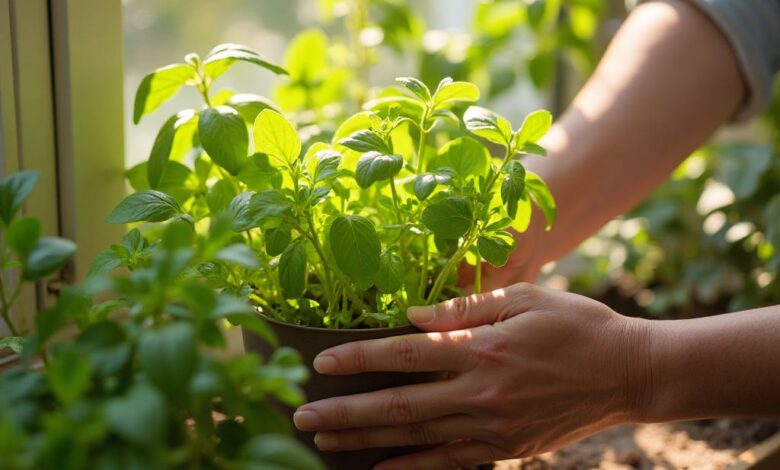
The scent of sun-warmed basil, bursting with peppery sweetness, is more than just a culinary delight; it’s a testament to life’s abundance. Imagine stepping into your garden, plucking a handful of vibrant green leaves, and knowing that your plant won’t just survive, but thrive, growing back even fuller and more fragrant. This isn’t magic; it’s the art of mindful harvesting, a simple technique that transforms a fleeting moment into a perpetual harvest, ensuring your kitchen is always stocked with nature’s freshest flavors.
The Enduring Dance Between Humans and Herbs
For millennia, humanity has cultivated a profound relationship with herbs, a bond woven into the very fabric of our history, culture, and well-being. From the ancient Egyptians using mint in their remedies and rituals to the Romans flavoring their wines with rosemary, herbs have been more than just food; they’ve been medicine, perfume, dye, and symbols of protection and prosperity. The spice routes of old weren’t just about exotic flavors; they were about the vital exchange of these precious botanical treasures, shaping economies and influencing civilizations. Today, this rich legacy continues. Whether it’s the comforting aroma of oregano in an Italian dish, the invigorating zest of cilantro in a Mexican salsa, or the soothing embrace of lavender in a bedtime tea, herbs connect us to a global tapestry of tradition and wellness. Understanding how to harvest them sustainably isn’t just a gardening skill; it’s a way of honoring this ancient connection, ensuring these green gifts continue to enrich our lives and our planet for generations to come.
Mastering the Art of the Ever-Growing Harvest
The secret to a thriving herb garden isn’t just about planting; it’s about pruning with purpose. Harvesting isn’t merely taking; it’s an act of encouragement, telling your plants, “Grow more, grow stronger!” Let’s dive into the practical magic of harvesting without harming.
Setting the Stage: Healthy Plants for Abundant Harvests
Before you even think about snipping, remember that a happy plant is a productive plant. Here’s a quick refresh on foundational care:
-
Soil Requirements
Herbs generally prefer well-draining soil. For containers, a high-quality potting mix like a good organic blend from Miracle-Gro Organic Potting Mix provides the ideal environment. In the ground, amend heavy clay soils with compost to improve drainage and aeration.
-
Sunlight Needs
Most culinary herbs, especially Mediterranean varieties like rosemary, thyme, and oregano, crave at least 6-8 hours of direct sunlight daily. Others, like mint and parsley, can tolerate a bit more shade, especially in hotter climates.
-
Watering Schedule
Consistency is key, but overwatering is the silent killer. Allow the top inch or two of soil to dry out between waterings. Stick your finger in the soil; if it feels dry, it’s time to water. Container plants typically need more frequent watering than those in the ground.
-
Container vs. Ground Growing
Both have their perks! Containers offer flexibility to move plants for optimal sun or protection, and they’re perfect for aggressive growers like mint. Ground planting provides more space for roots to spread, often leading to larger, more robust plants.
-
Pest Control
Healthy plants are more resistant to pests. Regularly inspect your herbs for signs of trouble. A simple spray of insecticidal soap can often handle common culprits like aphids. Companion planting (e.g., marigolds near basil) can also deter pests naturally.
-
Propagation Methods
Consider propagating your favorite herbs from cuttings or seeds. Many herbs, like basil and mint, root easily in water. For seeds, trusted brands like Burpee Seeds offer a wide variety to get you started on new generations of your beloved plants.
The Golden Rules of Sustainable Harvesting
Think of harvesting as giving your plant a haircut. A good haircut makes it look better and grow healthier.
-
Timing is Everything
The best time to harvest most herbs is in the morning, after the dew has dried but before the sun is intense. This is when their essential oils are most concentrated, meaning peak flavor and aroma. Avoid harvesting right after watering, as the leaves will be heavy with moisture.
-
Tools of the Trade
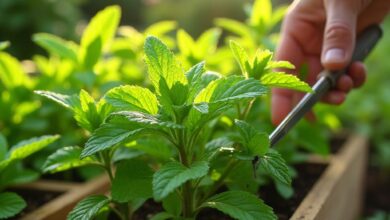
Always use sharp, clean scissors, pruning shears, or a knife. A clean cut prevents damage to the plant and reduces the risk of disease. Dull tools can crush stems, leaving open wounds vulnerable to pathogens.
-
The One-Third Rule
This is perhaps the most crucial rule: never remove more than one-third of the plant’s foliage at any single harvest. Taking too much stresses the plant, hindering its ability to photosynthesize and recover.
-
Encourage Bushiness
When you harvest, aim to cut just above a leaf node (the point where leaves or branches emerge from the stem). This encourages the plant to branch out from that node, leading to a denser, bushier, and more productive plant rather than a leggy one.
Harvesting Techniques for Specific Herb Types
-
Leafy Annuals and Tender Perennials (Basil, Mint, Cilantro, Parsley, Marjoram)
These herbs are all about the leaves! Pinch or cut the top sets of leaves and stems. For basil, harvest from the top to prevent it from flowering (bolting), which can make the leaves bitter. For mint, you can be a bit more aggressive, cutting stems back to about 2-3 inches from the ground to encourage vigorous new growth. Cilantro and parsley are cut-and-come-again herbs; harvest outer leaves first, allowing inner leaves to mature.
-
Woody Perennials (Rosemary, Thyme, Sage, Oregano, Lavender)
These herbs have woody stems. Always cut from the soft, green growth, avoiding the hardened, woody base. Cutting into the old wood can damage the plant and inhibit new growth. For sage and oregano, prune stems back by about one-third. For rosemary and thyme, snip off sprigs as needed, always above a leaf node. Regular light harvesting helps maintain their shape and vigor.
-
Flowering Herbs (Chamomile, Lavender, Borage, Calendula)
For herbs where the flowers are the prize, harvest them just as they fully open but before they start to fade. For chamomile, gently pinch or snip off the flower heads. For lavender, cut the flower spikes with a few inches of stem. This often encourages more blooms!
Post-Harvest Care and Storage
Once harvested, treat your herbs with care to preserve their freshness and flavor.
-
Cleaning
Gently rinse herbs under cool water to remove any dirt or insects. Pat them thoroughly dry with a clean kitchen towel or use a salad spinner. Excess moisture is the enemy of freshness.
-
Fresh Storage
For most leafy herbs like parsley, cilantro, and basil, treat them like a bouquet of flowers: trim the stems and place them upright in a glass of water on your counter or in the refrigerator, loosely covered with a plastic bag. They can stay fresh for up to a week. Woody herbs like rosemary and thyme can be wrapped in a damp paper towel and stored in a sealed bag in the fridge.
-
Drying
Drying is a fantastic way to preserve herbs for long-term use. Bundle small bunches of herbs and hang them upside down in a warm, dark, well-ventilated area. Alternatively, use a food dehydrator on a low setting. Once completely dry and crumbly, store them in airtight containers away from direct light and heat. For high-quality dried herbs when you don’t grow your own, consider trusted brands like Mountain Rose Herbs or Frontier Co-op.
-
Freezing
Freezing preserves the vibrant color and flavor of many herbs. Chop herbs finely and mix them with a little olive oil or water, then freeze them in ice cube trays. Once frozen, pop out the cubes and store them in freezer-safe bags. These herb cubes are perfect for adding directly to soups, stews, and sauces.
Expert Insider Tips for the Discerning Herb Enthusiast
-
The “Sacrificial Lamb” Prune
For fast-growing annuals like basil, sometimes you need to take a larger initial harvest to force bushier growth. Don’t be afraid to take a good third of the plant when it’s young and vigorous. It feels counterintuitive, but it pays off in spades!
-
Succession Planting for Continuous Yield
For annuals like cilantro and dill, which tend to bolt quickly in warm weather, plant small batches every 2-3 weeks. This ensures a continuous supply throughout the growing season, preventing a single crop from all going to seed at once.
-
The “Smell Test” for Woody Herbs
When harvesting woody herbs like rosemary or sage, gently bruise a leaf between your fingers. If the aroma isn’t strong, it might be too early or the plant might need more sun/nutrients. Harvest when the fragrance is most potent.
-
Don’t Forget the Flowers!
Many herb flowers are edible and beautiful. Chive blossoms add a delicate onion flavor to salads, borage flowers are a lovely garnish, and lavender buds can be used in baking or teas. Harvesting them for culinary use is also a form of deadheading, encouraging the plant to produce more.
-
The “Winter Prep” Harvest
Before the first hard frost, give your perennial herbs a final, more substantial harvest. This allows you to preserve a bounty of flavor for winter, and for many herbs (like sage and thyme), a good trim helps them prepare for dormancy and encourages robust spring growth.
Health and Wellness Benefits of Fresh Herbs
Beyond their incredible flavors, fresh herbs are powerhouses of nutrition and natural medicine. Packed with vitamins, minerals, and potent antioxidants, they offer a myriad of health benefits. Rosemary, for instance, is traditionally used to improve memory and circulation, while modern research highlights its anti-inflammatory properties. Mint is a well-known digestive aid, soothing upset stomachs and freshening breath. Basil is rich in antioxidants that fight free radicals, and parsley is a fantastic source of Vitamin K, essential for bone health. Simply incorporating more fresh herbs into your diet can boost your immune system, support detoxification, and even enhance your mood. It’s a simple, delicious way to embrace a more vibrant, natural lifestyle, proving that sometimes, the best medicine grows right in your garden.
Common Mistakes to Avoid
Even seasoned gardeners make mistakes. Here are some common pitfalls when harvesting herbs:
-
Over-Harvesting
The most common mistake! Taking too much at once can shock the plant, stunting its growth or even killing it. Always adhere to the one-third rule.
-
Cutting into Woody Stems
For perennial herbs like rosemary and sage, cutting into the old, woody growth can prevent new shoots from emerging and can be fatal to that section of the plant.
-
Ignoring Bolting
For herbs like basil and cilantro, allowing them to flower (bolt) shifts the plant’s energy from leaf production to seed production, often making the leaves bitter and sparse. Regular harvesting (pinching off flower buds) delays bolting.
-
Using Dull or Dirty Tools
Crushed stems from dull tools or infections from dirty tools can severely set back your plant’s health. Always keep your tools sharp and clean.
-
Harvesting Diseased or Pest-Ridden Parts
While you might want to save every leaf, it’s best to remove and discard any parts of the plant that show signs of disease or heavy pest infestation to prevent further spread.
-
Harvesting Too Late in the Day
Herbs harvested in the heat of the day can be limp and less flavorful. Stick to morning harvests for peak potency.
Safety and Precautions
While most culinary herbs are safe for consumption and handling, a few general precautions are always wise:
-
Allergies
As with any plant, some individuals may have allergic reactions