Why Bay Leaves Are the Most Mysterious and Essential Herb in Slow Cooking

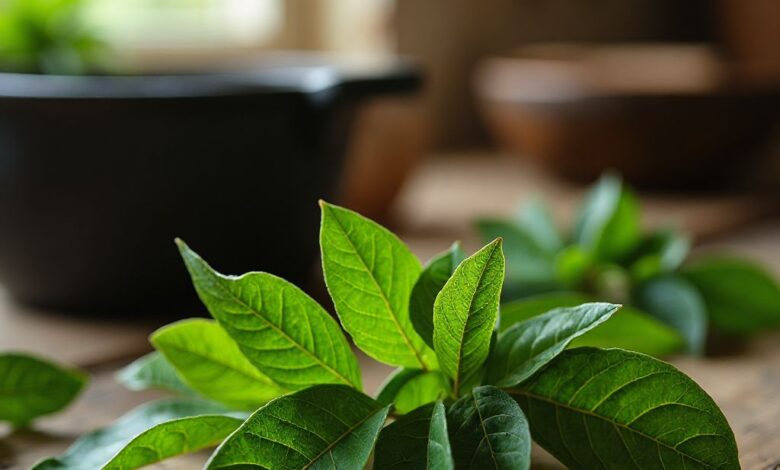
The Silent Architect: Why Bay Leaves Are the Most Mysterious and Essential Herb in Slow Cooking
You know that leaf, right? The one you often fish out of your rich beef stew or fragrant lentil soup, perhaps wondering if it even *did* anything. It’s unassuming, almost stoic, yet in the quiet alchemy of a slow simmer, the bay leaf performs a culinary magic trick unlike any other herb. It doesn’t shout its presence with a burst of flavor, but rather, it whispers, weaving an intricate tapestry of aroma and depth that is utterly indispensable. For ten years, I’ve watched home cooks and professional chefs alike grapple with its subtle power, and today, I’m pulling back the curtain on why Laurus nobilis – the true bay laurel – is the most mysterious and, indeed, essential herb in your slow-cooking arsenal.
A Legacy Steeped in Time: The Ancient Roots of Bay Laurel
The story of the bay leaf is as rich and aromatic as the herb itself, stretching back to the dawn of civilization. Originating in the Mediterranean region, the bay laurel tree (Laurus nobilis) was revered by ancient Greeks and Romans. It wasn’t just a culinary ingredient; it was a symbol of victory, honor, and wisdom. Think of the laurel wreaths adorning Olympic champions, emperors, and poets – a direct testament to the plant’s esteemed status. The word “baccalaureate,” for instance, derives from “bachelor’s laurel,” signifying academic achievement.
Beyond its symbolic power, bay laurel was recognized for its practical applications. Ancient texts describe its use in medicine, perfumery, and, of course, cooking. Its leaves were believed to protect against evil and disease, and its wood was used in sacred rituals. This deep cultural reverence for the bay leaf persists today, though perhaps less overtly. From the robust stews of France to the aromatic curries of India, the slow-cooked tagines of Morocco, and the comforting soups of America, bay leaves transcend borders, silently contributing their unique essence to dishes that nourish body and soul. Its enduring presence in kitchens worldwide is a testament to its timeless appeal and its unmatched ability to elevate the mundane to the magnificent.
Unlocking the Elusive Magic: Flavor, Function, and Form
Unlike herbs such as rosemary or thyme, which announce their presence with bold, immediate flavors, the bay leaf is a master of subtlety. Its magic unfolds slowly, patiently, making it a perfect partner for long cooking times.
The Enigmatic Flavor Profile
Fresh bay leaves possess a slightly bitter, almost eucalyptus-like note, with hints of citrus and a delicate floral aroma. However, it’s the dried bay leaf that truly shines in slow cooking. As it simmers, it releases a complex symphony of flavors: a deep, musky sweetness, notes of pine and clove, a hint of black pepper, and a subtle, almost minty freshness. It doesn’t dominate, but rather, it supports and amplifies the other ingredients, adding a foundational layer of warmth and complexity that would otherwise be missing. It’s the silent bass note in a rich culinary orchestra, providing depth and resonance.
Best Food Pairings
Bay leaves are incredibly versatile, but they truly excel in dishes that benefit from long, slow cooking. Think:
- Hearty Stews and Soups: Beef stew, lamb tagine, lentil soup, minestrone, chicken noodle soup. Its earthy notes complement meats, legumes, and root vegetables beautifully.
- Braised Dishes: Pot roasts, coq au vin, braised short ribs. The bay leaf helps tenderize and infuse flavor into tough cuts of meat.
- Sauces and Stocks: Marinara sauce, demi-glace, vegetable stock, chicken stock. It adds a crucial layer of umami and aromatic depth.
- Grains and Legumes: Cooking rice, quinoa, or beans with a bay leaf can impart a lovely, subtle aroma and flavor.
- Pickling and Brining: Essential for adding a foundational spice note to pickled vegetables or brined meats.
Cooking Techniques for Maximum Impact
The key to harnessing the bay leaf’s power lies in how you use it:
- Whole and Unbroken: For most slow-cooked dishes, whole dried bay leaves are best. Their essential oils are released gradually over hours, preventing the dish from becoming overly bitter or medicinal.
- Crush or Score Lightly: To encourage a slightly faster release of flavor, you can gently crush the dried leaf between your fingers or make a small tear in it before adding it to the pot. This exposes more surface area without making the flavor overwhelming.
- Add Early: Bay leaves need time to work their magic. Add them at the beginning of the cooking process, allowing their flavors to meld and deepen over several hours.
- Infusion Beyond the Pot: Consider steeping a bay leaf in warm milk for a béchamel sauce or in a poaching liquid for fish or chicken. The gentle heat coaxes out its subtle essence.
A Simple Recipe Idea: Classic Beef & Root Vegetable Stew
Here’s how bay leaves elevate a simple stew:
Ingredients:
- 2 lbs beef chuck, cut into 1.5-inch cubes
- 2 tbsp olive oil
- 1 large onion, chopped
- 3 carrots, peeled and chopped
- 3 celery stalks, chopped
- 2 cloves garlic, minced
- 1 cup red wine (optional, but recommended)
- 4 cups beef broth (I love using high-quality broths or making my own with a few bay leaves!)
- 1 (14.5 oz) can diced tomatoes
- 2-3 dried bay leaves (I reach for Frontier Co-op or Simply Organic for their vibrant aroma)
- 1 tbsp fresh thyme leaves
- 1 tsp salt, or to taste
- ½ tsp black pepper, or to taste
- 2 large potatoes, peeled and cubed
Instructions:
- Pat beef dry and season with salt and pepper. Heat olive oil in a large Dutch oven or slow cooker insert over medium-high heat. Brown beef in batches until well-caramelized on all sides. Remove beef and set aside.
- Add onion, carrots, and celery to the pot. Sauté for 5-7 minutes until softened. Add garlic and cook for another minute until fragrant.
- If using wine, deglaze the pot, scraping up any browned bits from the bottom. Let it simmer for 2-3 minutes until slightly reduced.
- Return beef to the pot. Stir in beef broth, diced tomatoes, bay leaves, and thyme. Bring to a gentle simmer.
- Cover and either transfer to a preheated oven at 325°F (160°C) for 2.5-3 hours, or reduce heat to low and simmer on the stovetop for 2.5-3 hours, or cook in a slow cooker on low for 6-8 hours (or high for 3-4 hours) until beef is fork-tender.
- Add cubed potatoes during the last hour of cooking (or last 2 hours in a slow cooker) to prevent them from becoming mushy. Continue cooking until potatoes are tender.
- Taste and adjust seasoning. Remove bay leaves before serving.
Storage Tips
Dried bay leaves retain their potency for a surprisingly long time if stored correctly. Keep them in an airtight container away from direct sunlight and heat. While they won’t “spoil,” their aromatic oils will diminish over time. Aim to replace your dried bay leaves every 1-2 years for optimal flavor. Fresh bay leaves, if you can find them (often from specialty grocers or your own garden), should be stored in the refrigerator in a plastic bag or wrapped in a damp paper towel and used within a week or two.
Substitution Options (or Lack Thereof)
While some culinary guides might suggest a pinch of dried thyme or oregano as a “substitute,” the truth is, nothing truly replicates the unique, foundational flavor of a bay leaf. Its contribution is subtle but profound, providing a depth and aroma that other herbs simply can’t. If a recipe calls for it, I strongly encourage you to use it. Its impact is far greater than its unassuming appearance suggests.
Expert Insider Tips for Bay Leaf Brilliance
After years of simmering and savoring, here are a few secrets I’ve learned about this humble leaf:
- Toast for Turbo-Charged Flavor: For an extra layer of nutty depth, lightly toast your dried bay leaves in a dry pan for 30-60 seconds before adding them to your dish. The heat awakens their essential oils, intensifying their aroma.
- The Power of the Pair: Bay leaves love acid. When paired with tomatoes, wine, or vinegar in slow-cooked dishes, their complex flavors are amplified and brought to the forefront, creating a more harmonious and vibrant profile.
- Fresh vs. Dried: A Crucial Distinction: While fresh bay leaves are lovely for quick infusions or garnishes, for slow cooking, dried bay leaves are almost always preferred. Fresh leaves can be more bitter and assertive, needing longer cooking times to mellow out, and their flavor profile is often less nuanced in a prolonged simmer.
- Don’t Forget the Removal: Always remove bay leaves before serving. They are not meant to be eaten whole due to their tough texture and the potential for a concentrated, unpleasant flavor if chewed directly. Plus, they can be a choking hazard.
- Infuse Your Pantry Staples: Drop a bay leaf into your flour, rice, or pasta containers. It’s a traditional method for deterring pantry pests and subtly infusing a fresh, clean aroma.
Beyond the Pot: Health and Wellness Benefits
The bay leaf isn’t just a culinary star; it boasts a long history in traditional herbal medicine, and modern research is beginning to explore these claims. While it’s no substitute for professional medical advice, incorporating bay leaves into your diet can offer some lovely benefits:
- Digestive Aid: Traditionally, bay leaves have been used to soothe digestive complaints. Their compounds may help stimulate digestive enzymes and reduce gas and bloating. A gentle bay leaf tea (steeped, then removed) is a classic remedy.
- Anti-inflammatory Properties: Bay leaves contain compounds like eugenol and cineole, which have demonstrated anti-inflammatory effects. This makes them a wonderful addition to a diet aimed at reducing systemic inflammation.
- Antioxidant Power: Rich in antioxidants, bay leaves help combat free radicals in the body, which contribute to cellular damage and aging.
- Respiratory Support: The essential oils in bay leaves have been used in traditional remedies for respiratory issues, helping to clear airways and soothe coughs.
- Stress Reduction: Anecdotal evidence suggests the aroma of bay leaves can have a calming effect, potentially aiding in stress reduction and promoting relaxation.
For those interested in exploring bay leaves for their wellness properties, consider sourcing high-quality, organic dried leaves from trusted suppliers like